Journal
Altitude Sickness in Cusco: What It Feels Like and How to Plan Around It
Altitude sickness in Cusco: how it feels, the real heights of Cusco, the Sacred Valley and Vinicunca, a day order that helps and when to go down.
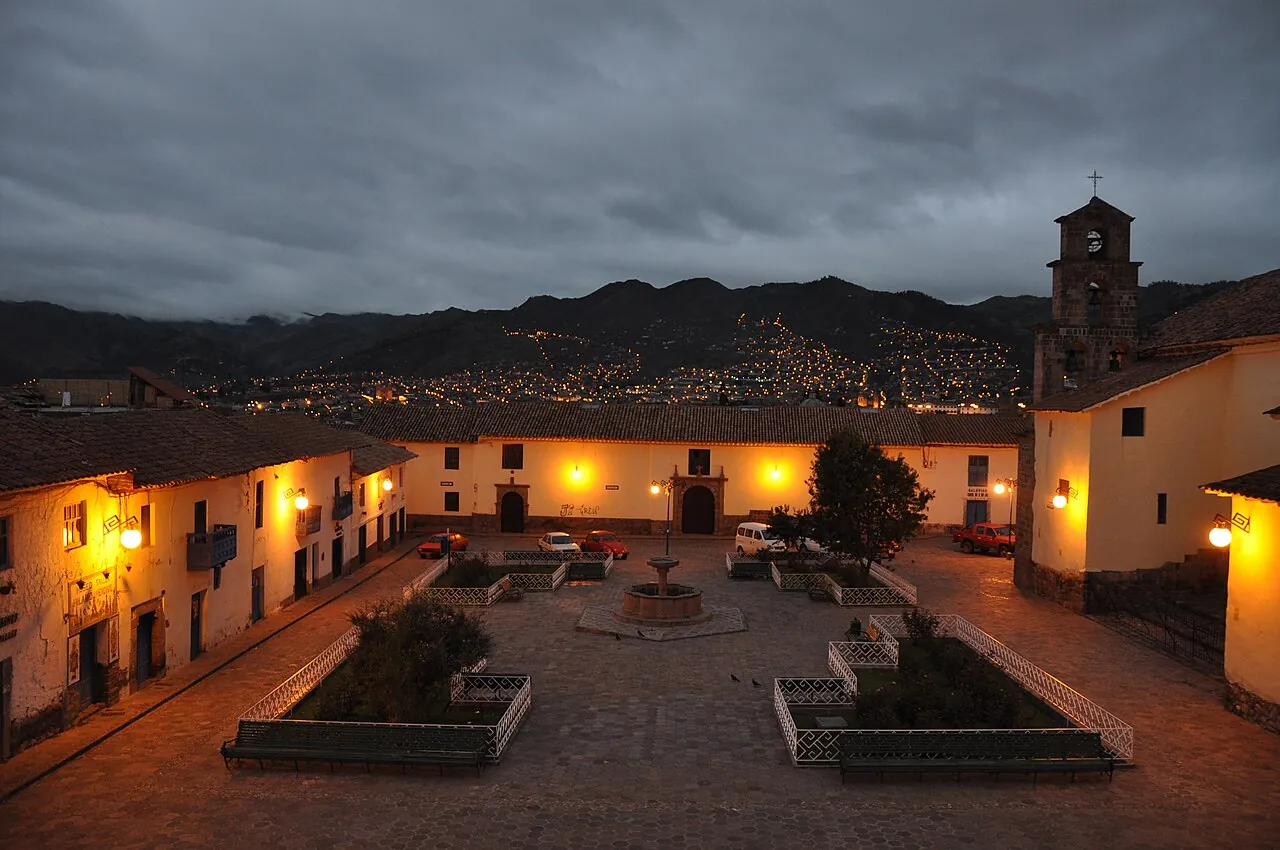
Cusco sits at about 3,400 m and the flight from Lima takes an hour, so your body gets no time to adjust. Altitude sickness in Cusco usually means a headache and a bad first night that ease within two or three days, which Peru's health ministry describes as normal. A few cases are serious, so learn the signs before you land, not in a hotel room at midnight.
What follows is general information from the US CDC Yellow Book and from Peru's Ministry of Health (Minsa). It is not medical advice. Talk to your doctor or a travel clinic before you go.
How does altitude sickness in Cusco feel, and who gets it?
Minsa describes soroche, as it is called in Peru, as the body's response to lower oxygen pressure, not as an illness in itself. For the mild form, acute mountain sickness, the CDC lists headache as the main symptom, usually with at least one of loss of appetite, dizziness, tiredness or nausea. It typically starts 2 to 12 hours after arrival, so the first evening and night are the usual time. Minsa says these reactions are normal during the first two or three days.
Anyone who has not acclimatised and sleeps at about 2,450 m or higher is at risk, according to the CDC. Minsa draws its line at 2,500 m. The CDC states that training and physical fitness do not affect that risk. Children are as susceptible as adults, and small children may only seem fussy or cry a lot.
The serious forms are swelling of the brain and of the lungs, which is why the warning signs further down matter.
How high everything sits on a typical Cusco trip
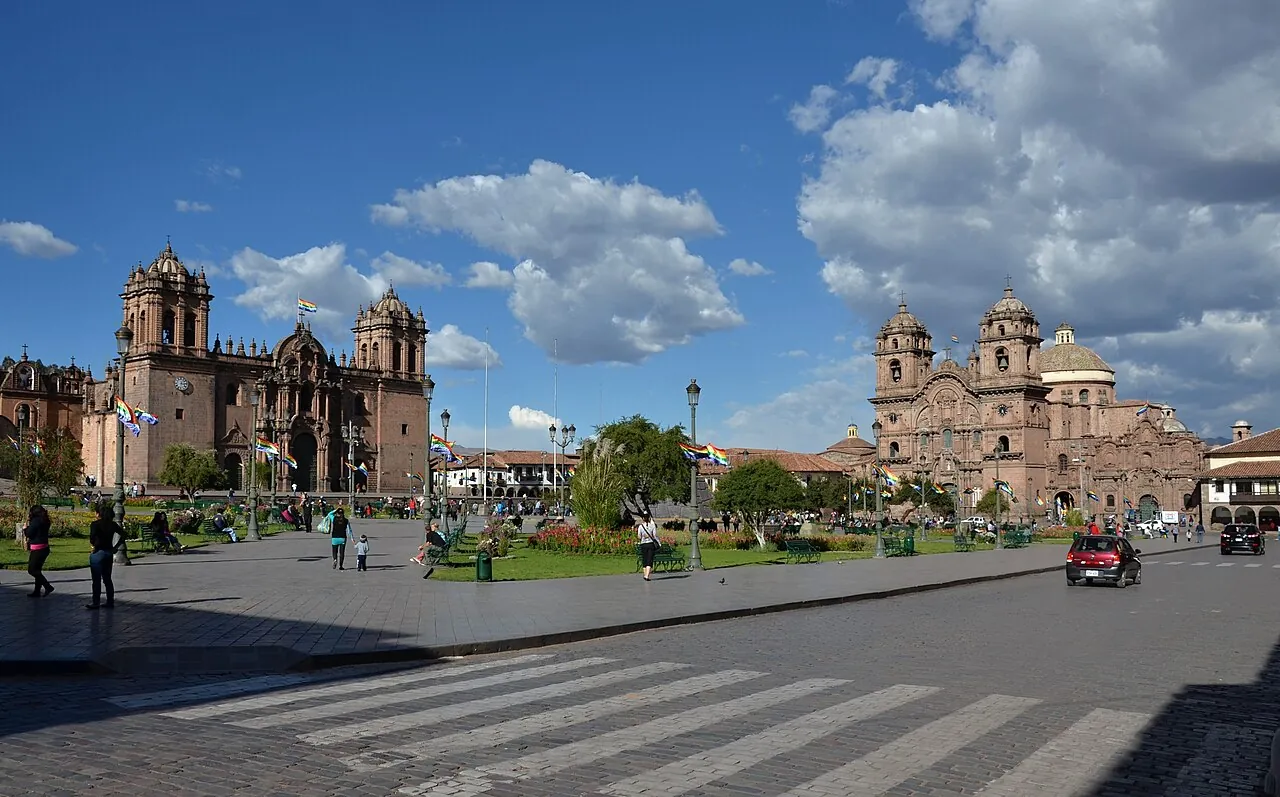
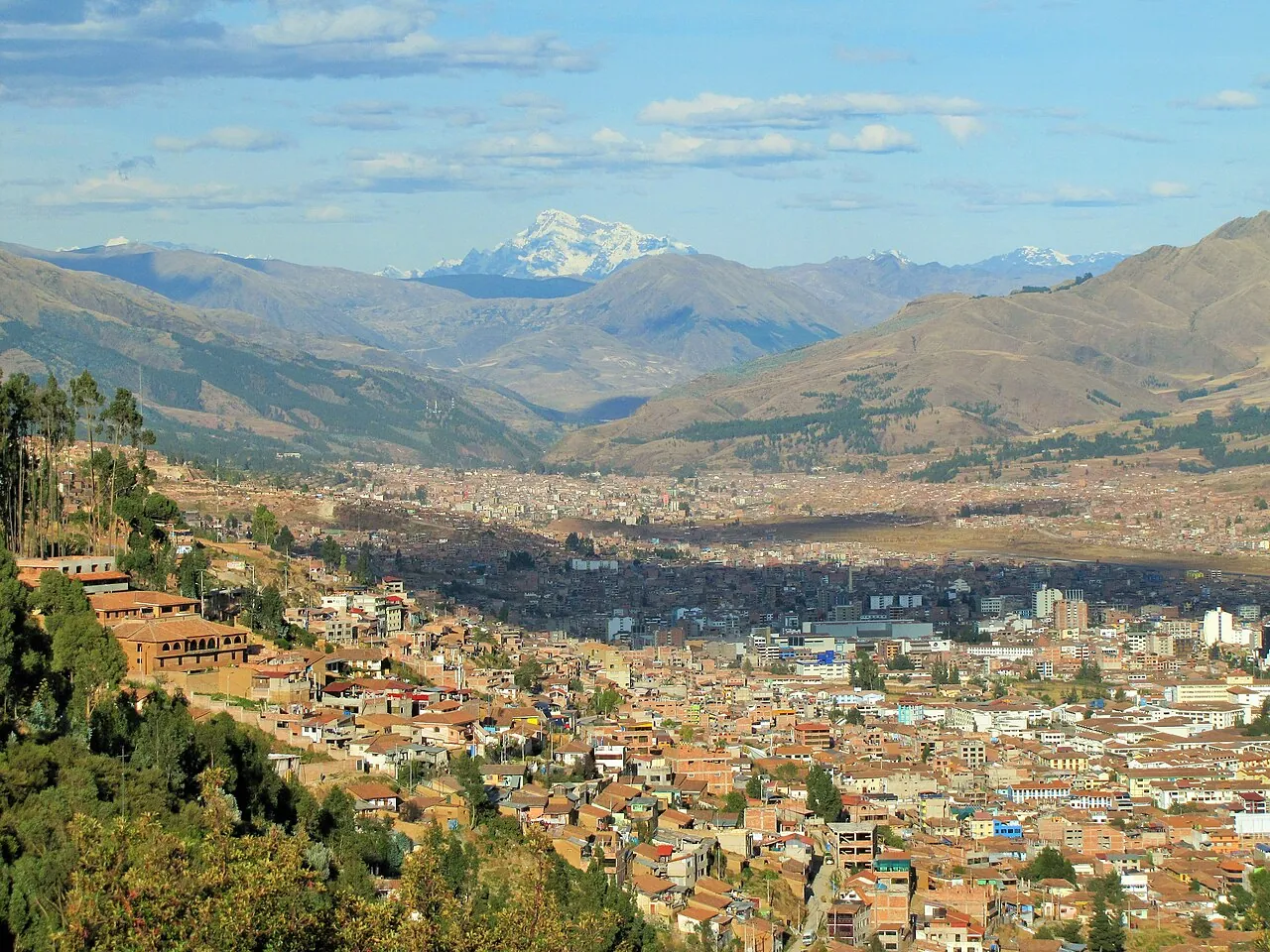
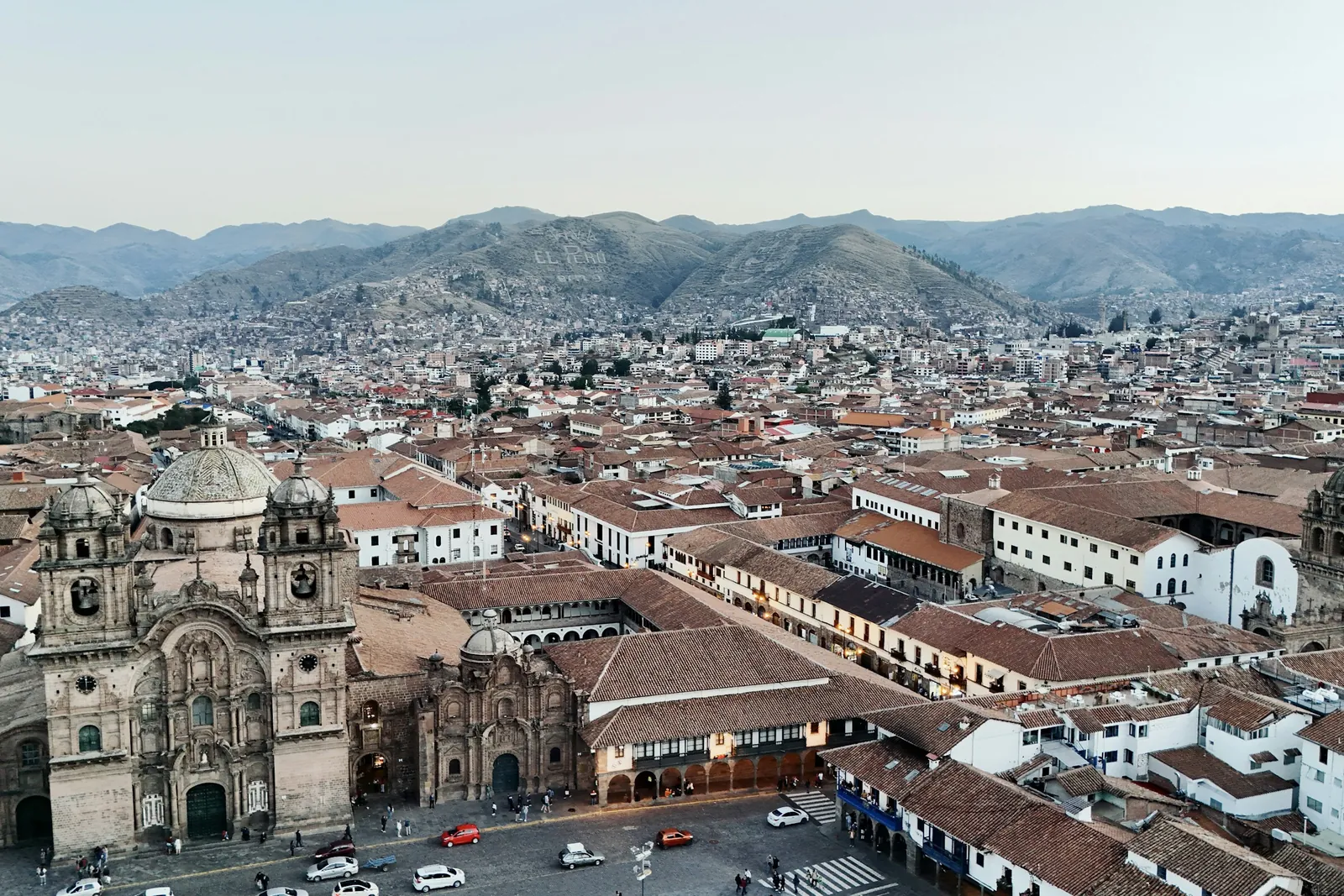
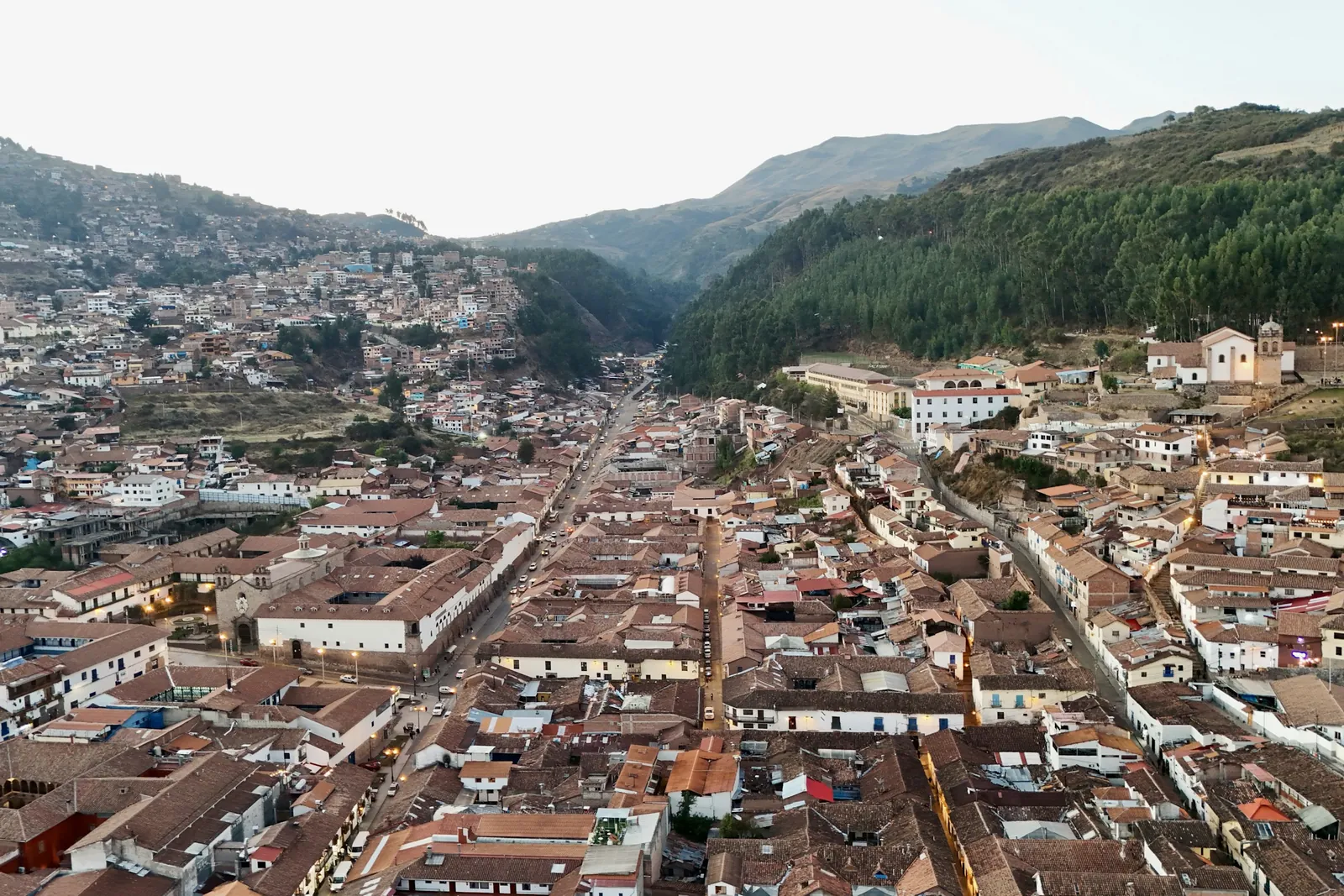
- Cusco: about 3,400 m. PeruRail gives 3,399 m, and the CDC rounds it to 3,400 m.
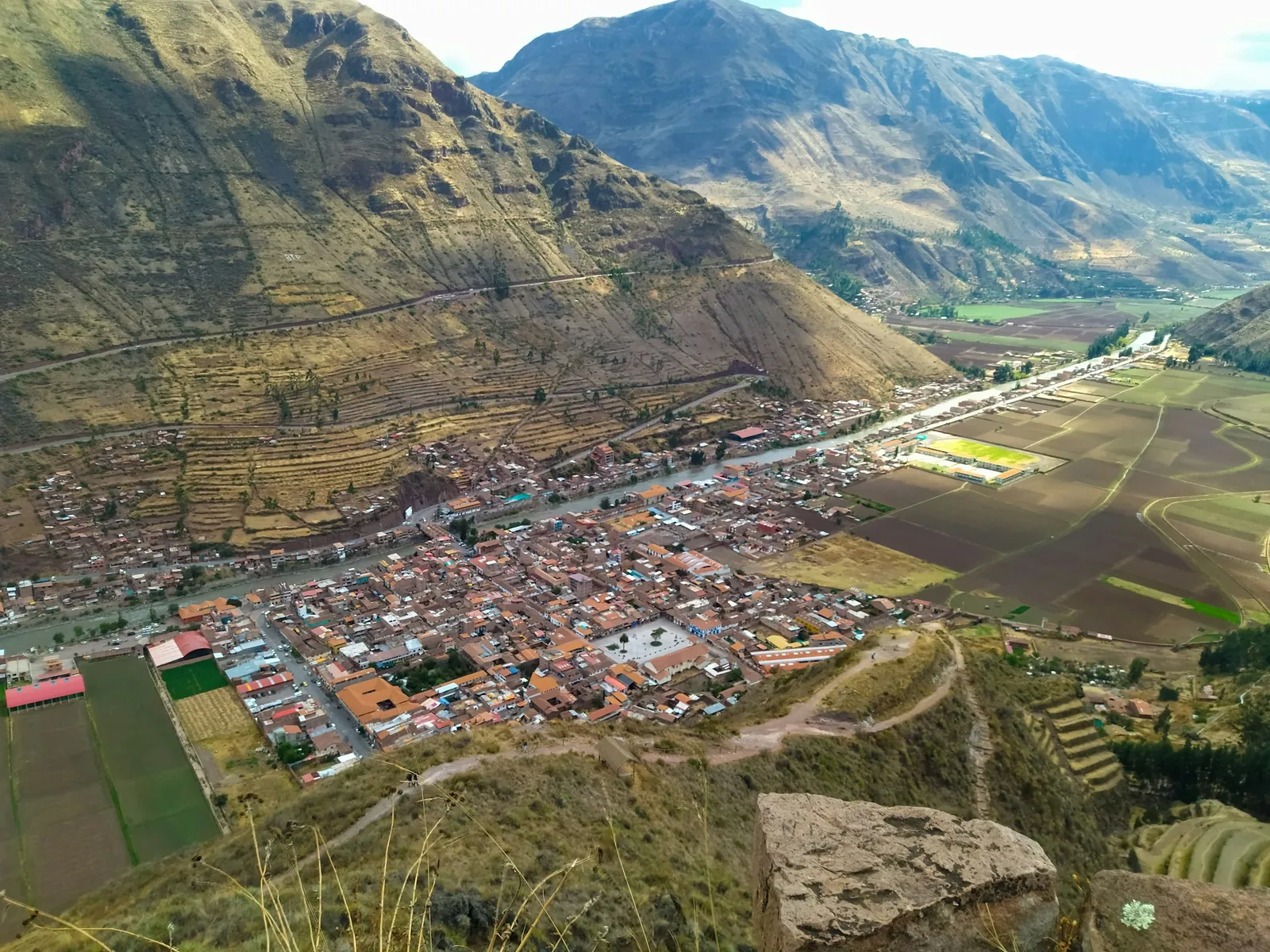
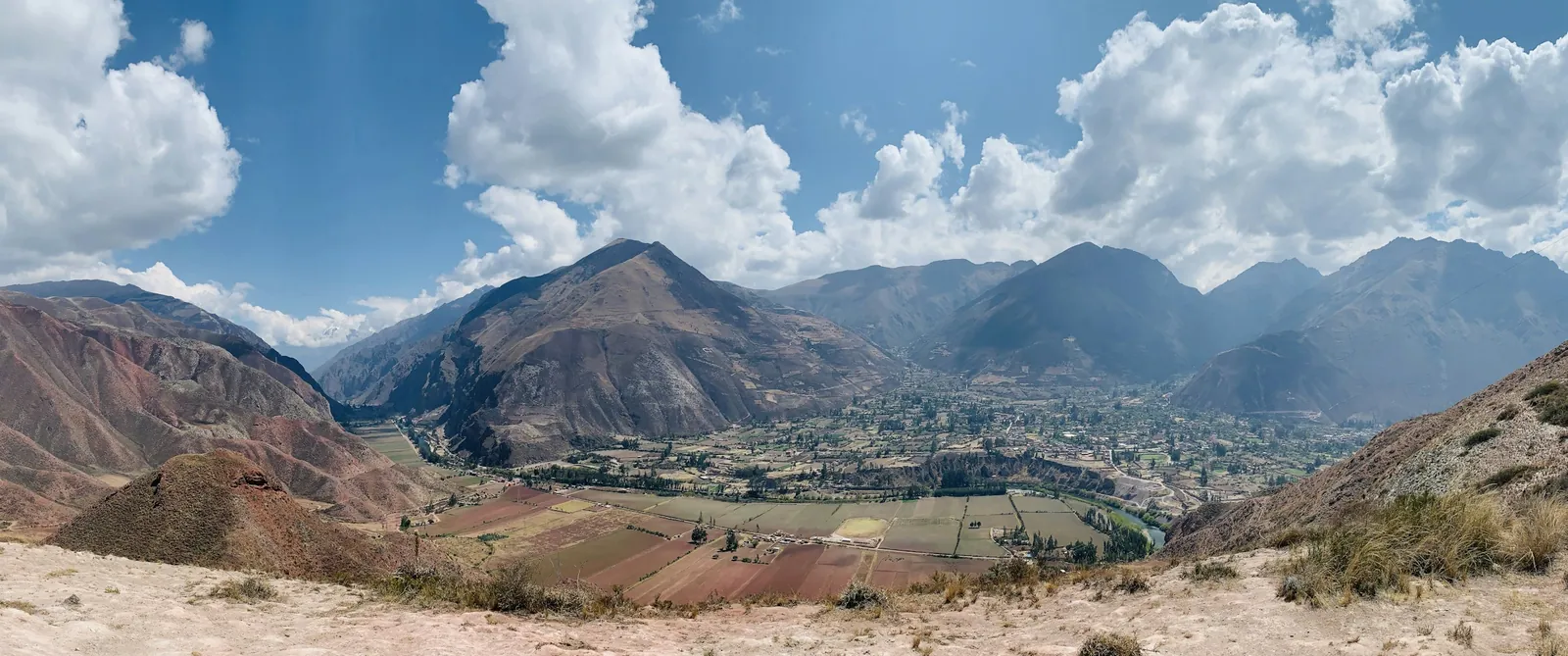
- Sacred Valley: Ollantaytambo about 2,850 m and Urubamba about 2,870 m, according to PeruRail. Other sources differ by a few dozen metres. Chinchero, on the higher side of the valley, is about 3,760 m.
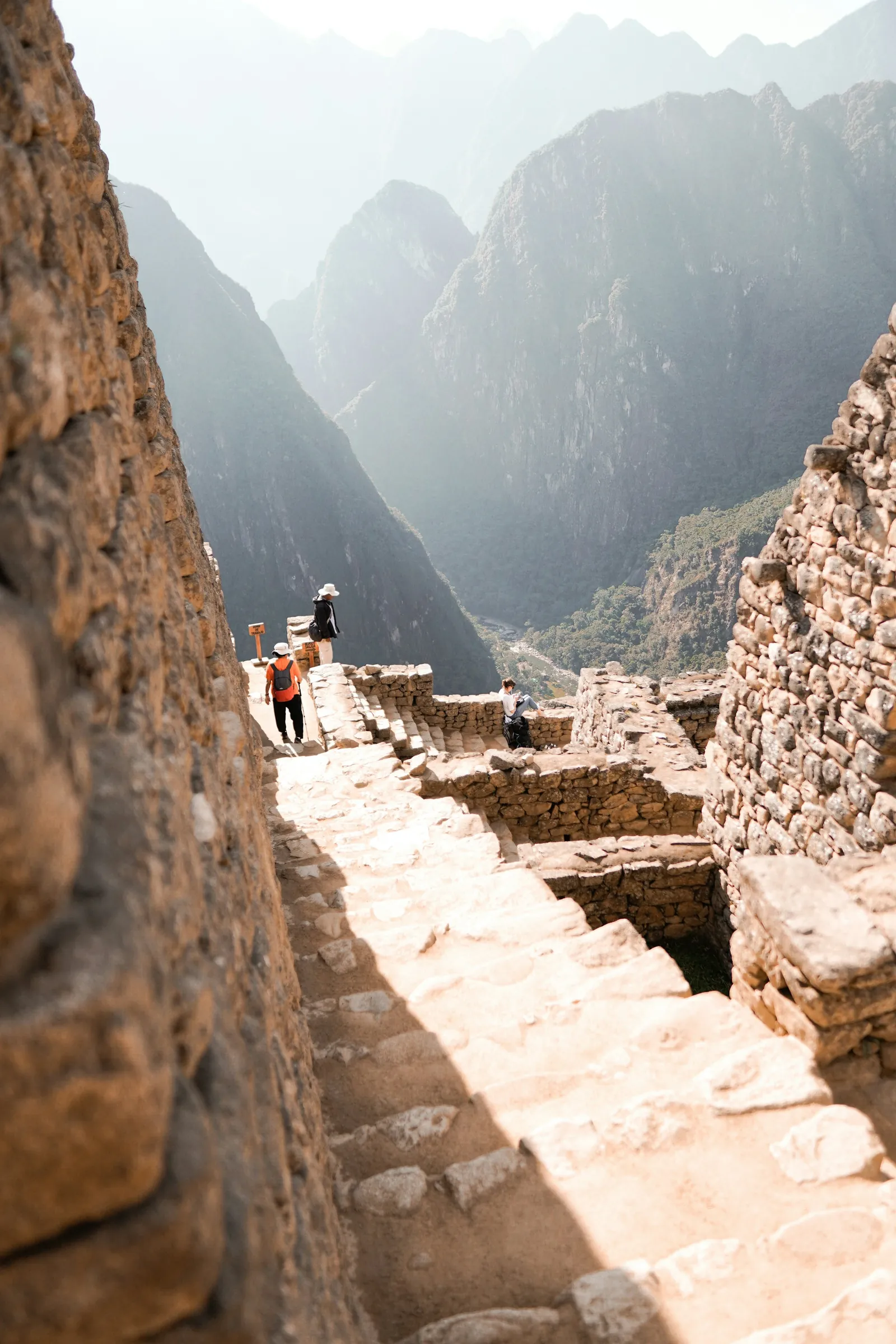
- Machu Picchu: 2,430 m, according to PeruRail.
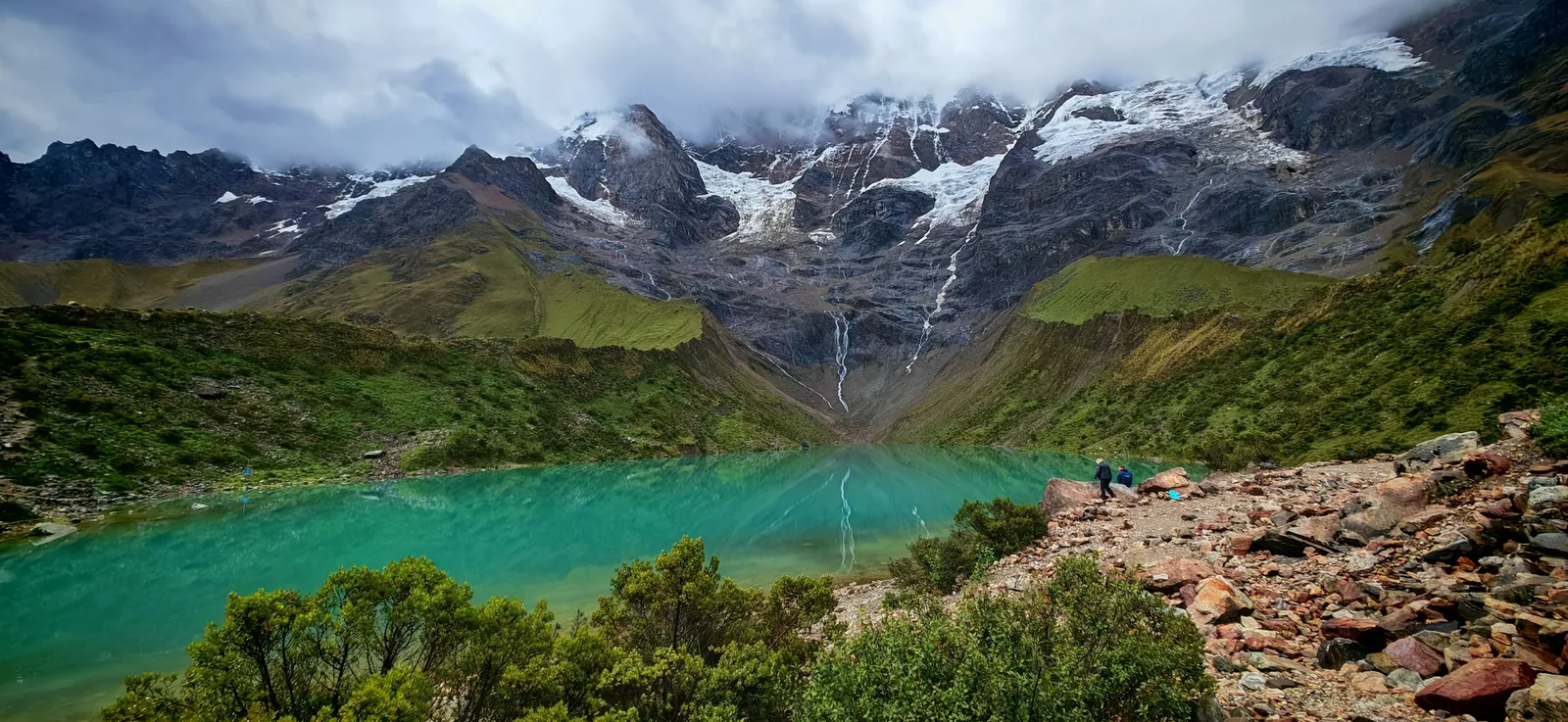
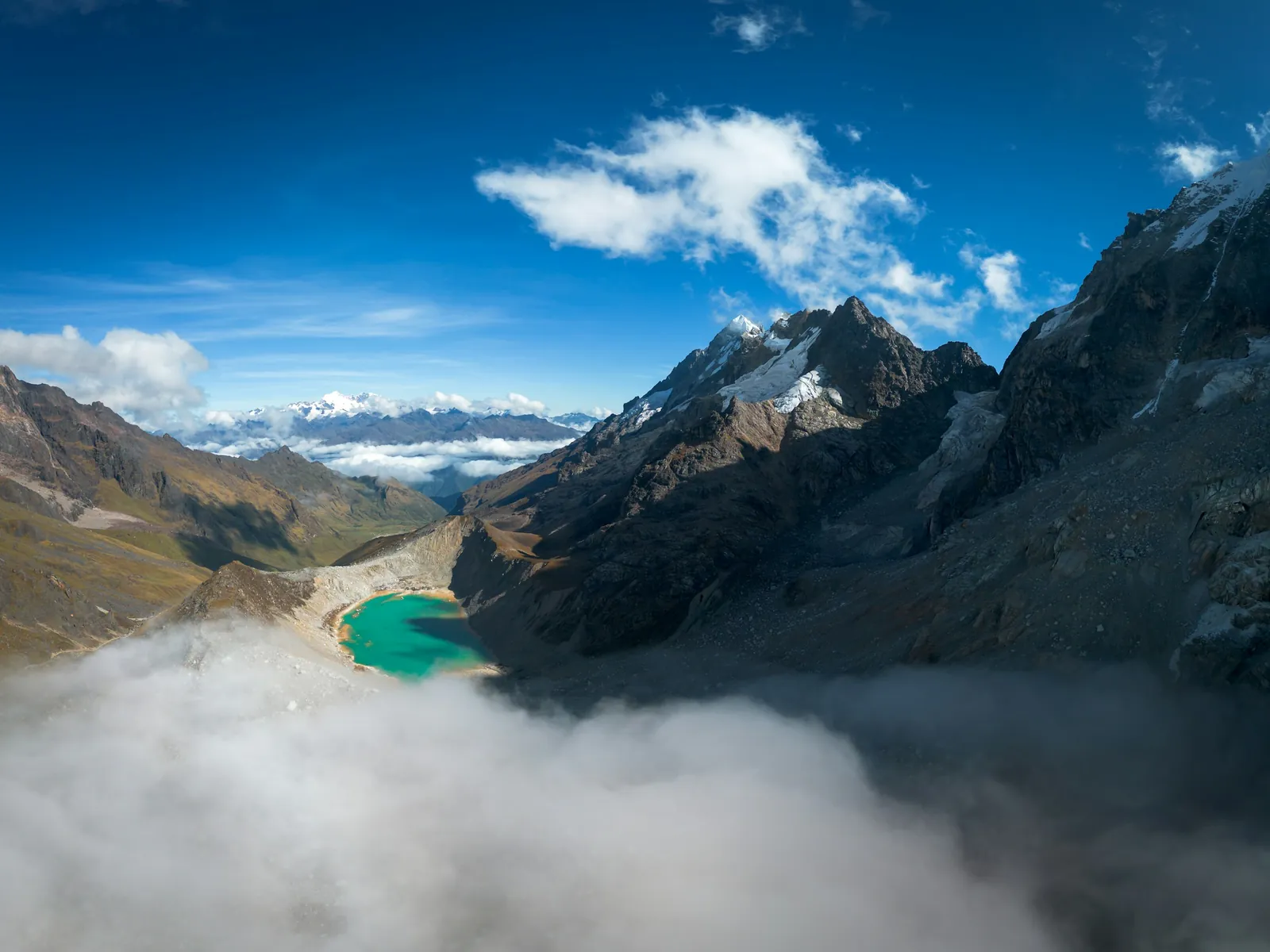
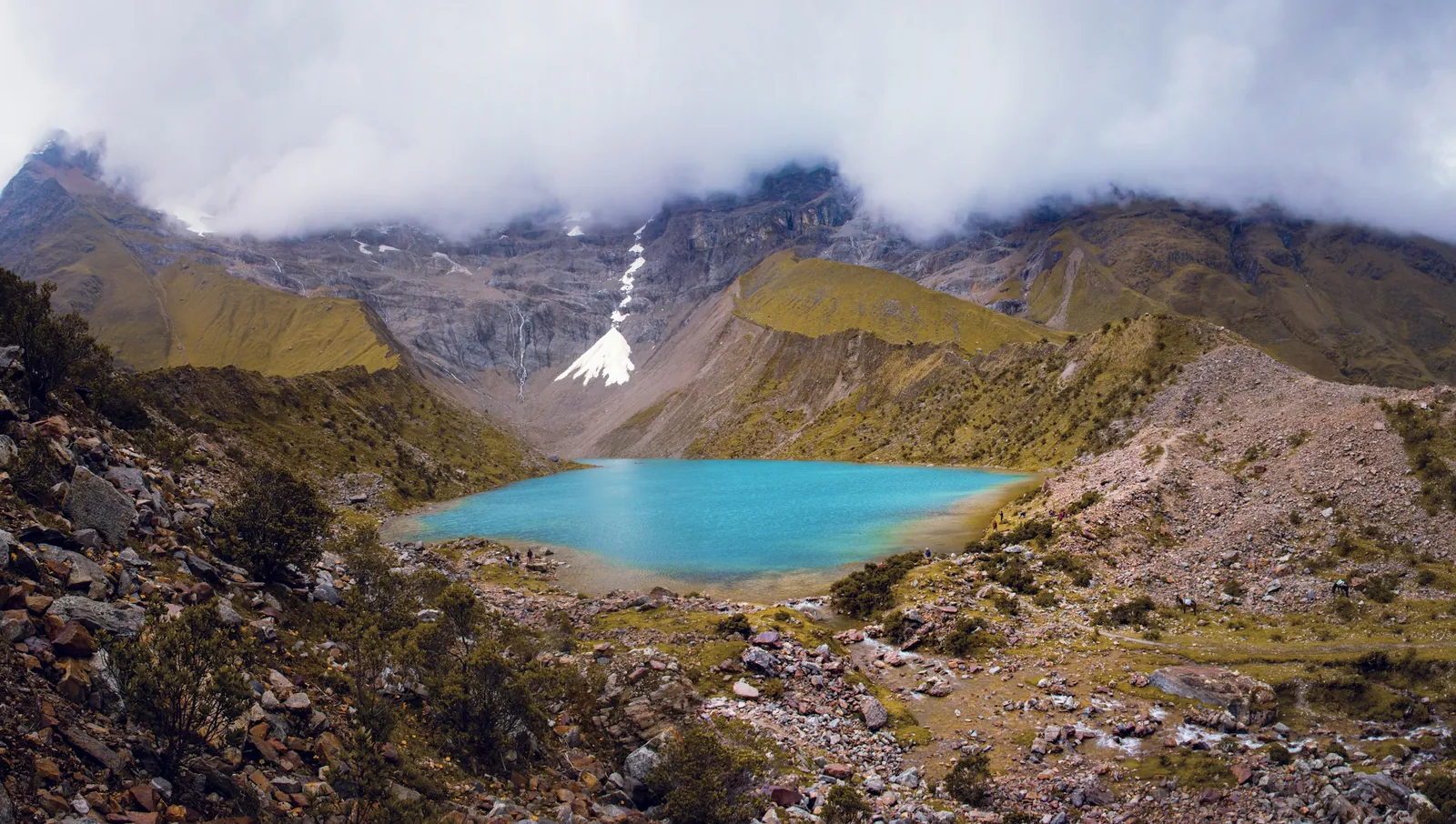
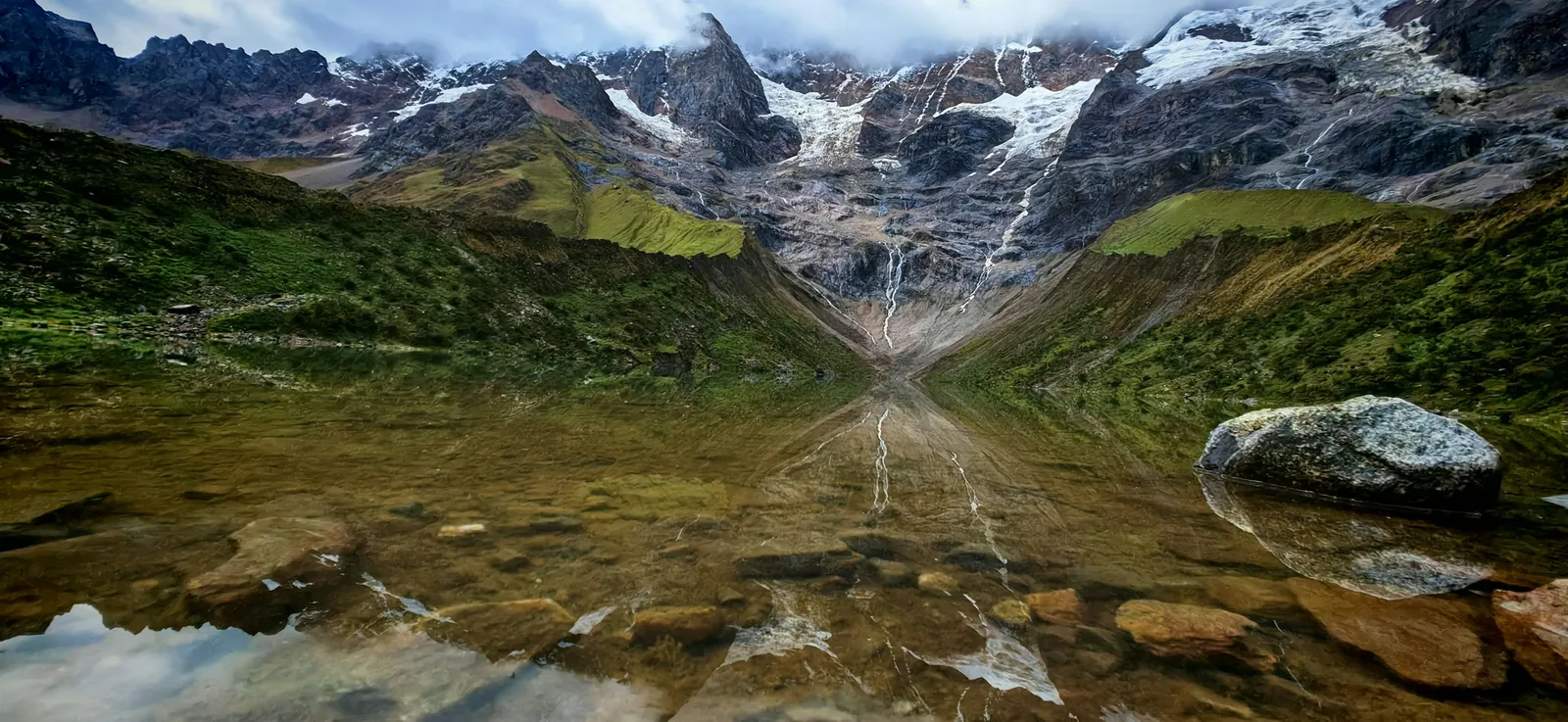
- Humantay Lagoon: about 4,200 m.
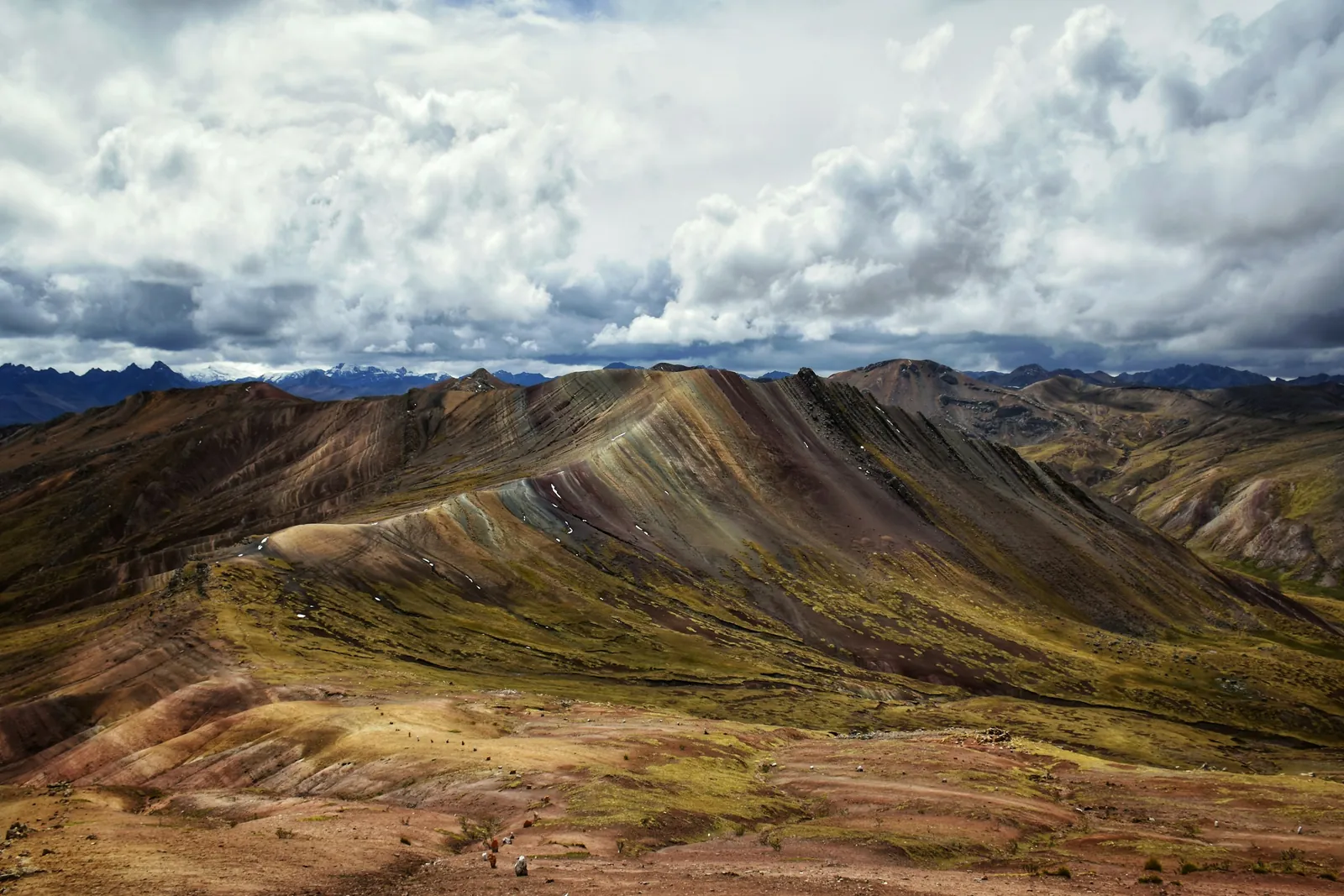
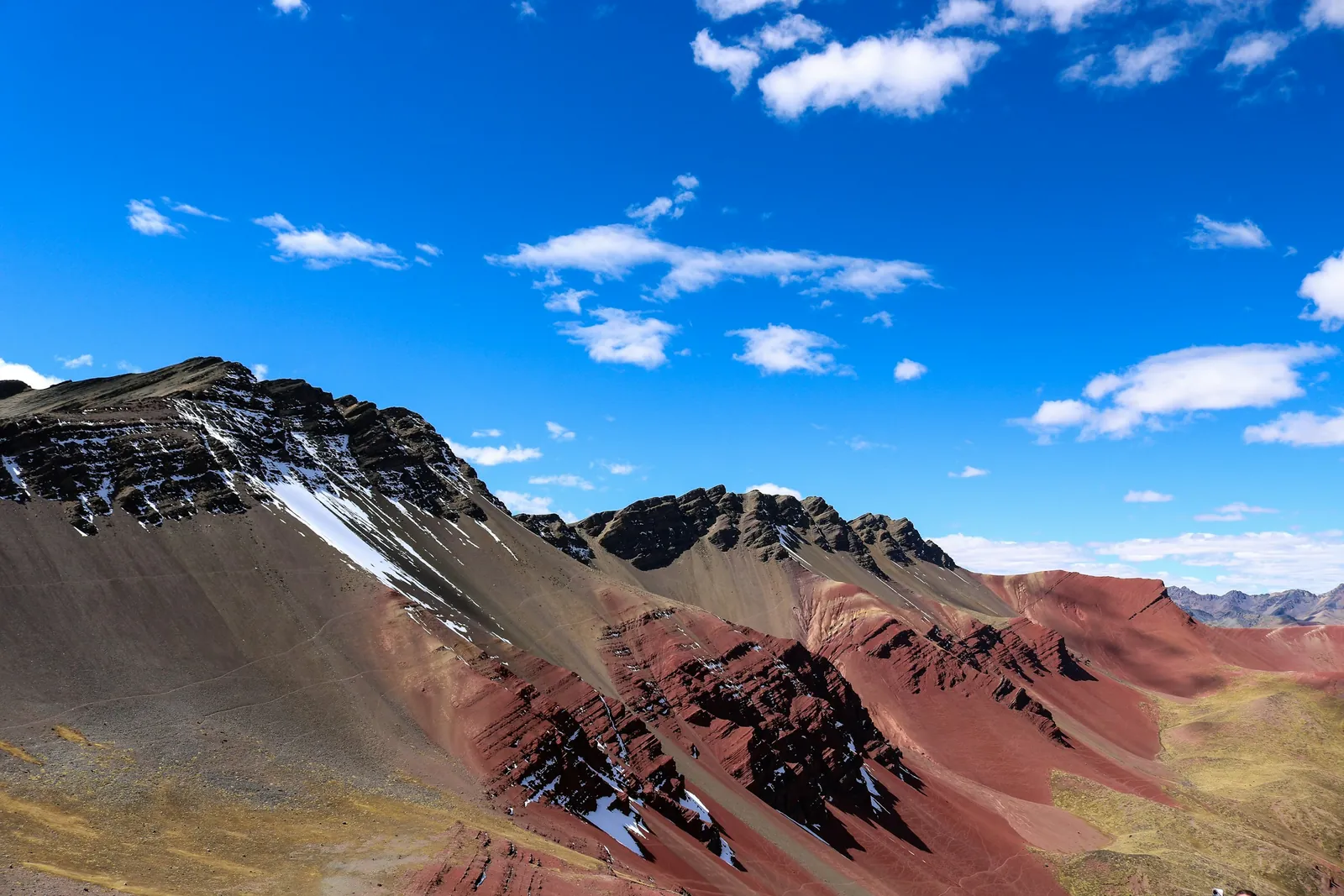
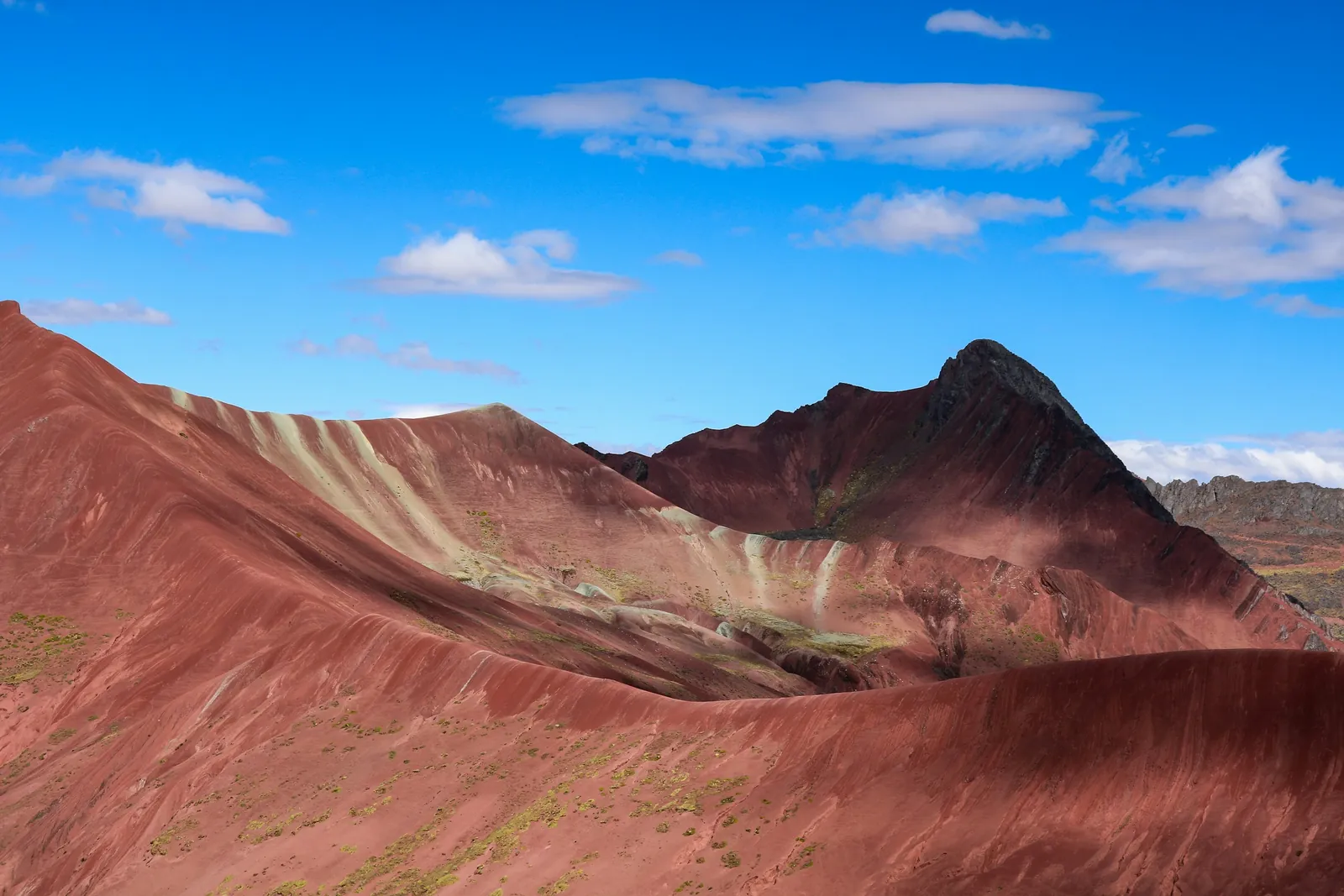
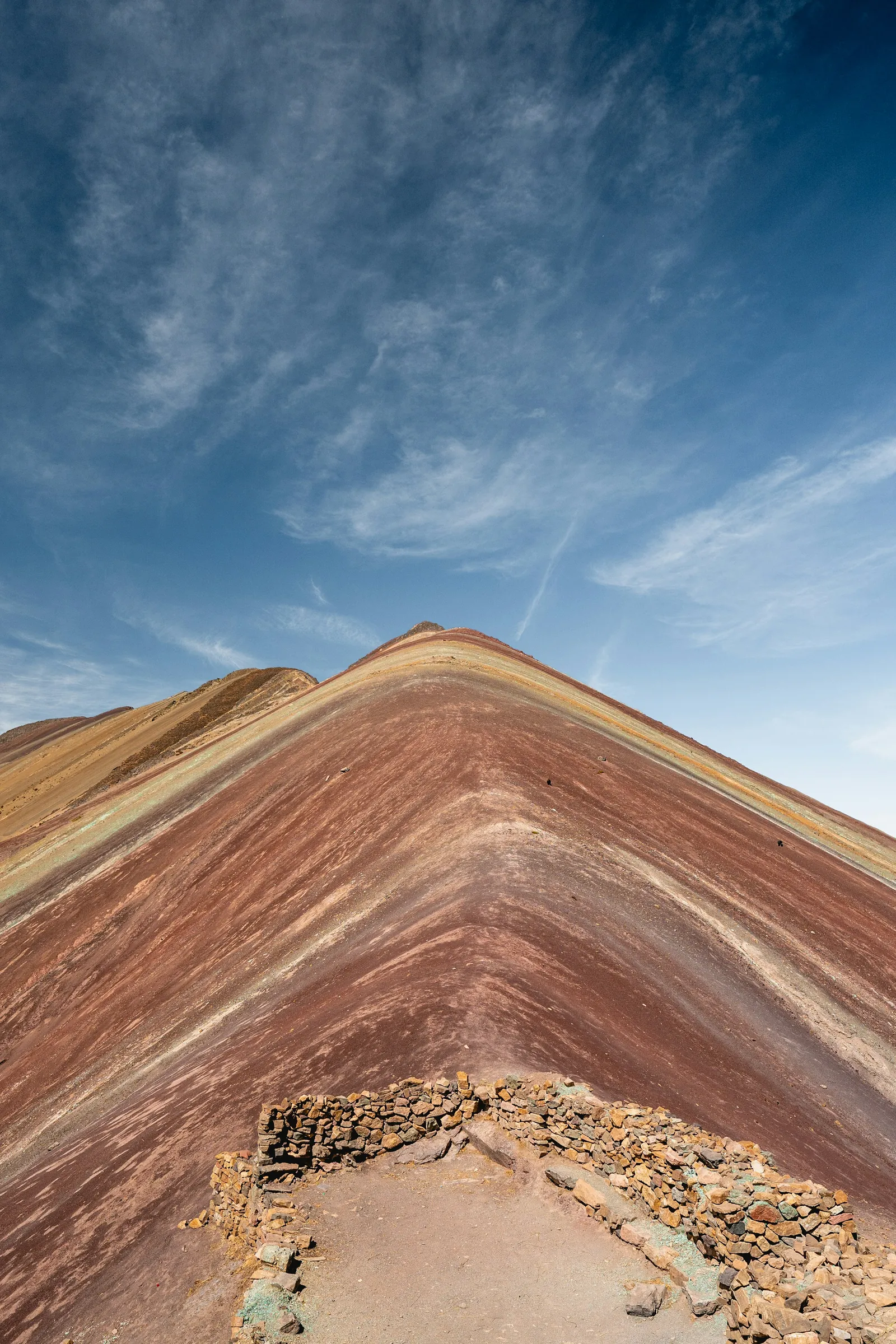
- Vinicunca, the Rainbow Mountain: around 5,000 m. Our tour page gives 5,036 m, and other sources go as high as 5,200 m depending on the viewpoint. At Palcoyo the trail climbs from 4,200 m to 4,900 m.
- Lake Titicaca: 3,812 m, according to the CDC. Puno sits on the shore at about the same height; sources put the city between roughly 3,830 and 3,850 m.
Machu Picchu is almost 1,000 m below Cusco, so it is not where altitude trouble starts. The high day trips are. And since the CDC's risk line is a sleeping altitude of about 2,450 m, Cusco is far past it, and so is most of the Sacred Valley. Machu Picchu itself, at about 2,430 m according to PeruRail, sits just under it.
A day order that helps
The CDC's advice for ascent is to rise by no more than 500 m per night in sleeping altitude once you are above 3,000 m, and to add a night for every 1,000 m gained. Its traveller page adds that you can go higher by day and return lower to sleep. A flight from Lima to Cusco ignores all of that: you go from near sea level to 3,400 m in an hour, and you cannot split a flight. What you can choose is where you sleep afterwards.
That is why we send people to the Sacred Valley first when the trip allows. Ollantaytambo is about 550 m lower than Cusco. It does not make anyone immune, but it lowers the sleeping altitude for the first nights, which the CDC says is what matters. Our honeymoon page puts the first nights in the Sacred Valley before Cusco. A sequence that follows the same logic:
- Two nights in the Sacred Valley, at about 2,850 m, with easy walking and no high passes.
- Machu Picchu at 2,430 m, lower than anywhere else on this list, which is why it fits early.
- Cusco, at 3,400 m, for a couple of nights of city walking before anything high.
- Humantay, at about 4,200 m, as the first high day. It is roughly 800 m lower than Vinicunca, and you sleep in Cusco afterwards.
- Vinicunca, no earlier than the third full day at altitude. That is the rule in our Rainbow Mountain guide.
- Titicaca and Puno last, because you sleep higher there than in Cusco.
It will not always fit. Flights, a Machu Picchu entry slot and hotel availability all bend the order. On a short trip, tell us and we will say whether Vinicunca belongs in it. Our Sacred Valley guide explains why the valley works as a base, and the Rainbow Mountain guide covers the high day in detail.
What helps, and what doesn't?
- Rest for the first hours. Minsa advises absolute rest on arrival above 2,500 m and no intense effort straight away.
- Plenty of fluids and light meals. That is Minsa's advice. A large lunch on the day you land is the opposite of it.
- Little or no alcohol at the start. The CDC says to avoid it for the first 48 hours, and not to use alcohol to help you sleep at altitude, because it depresses breathing.
- No climbing higher to sleep while you have symptoms. The CDC is firm on this: never ascend to sleep at a higher altitude with symptoms of altitude illness.
- Coca tea. Mate de coca is legal in Peru and widely served in hotels and restaurants. We have not found an official health source showing that it prevents or treats altitude sickness, and the Minsa note we read does not mention it. Drink it if you like it, but not instead of resting or descending. Do not pack leaves or tea bags for the flight home without checking your own country's customs rules, because coca leaf is controlled in several countries.
- Medication. The CDC says acetazolamide speeds acclimatisation and is used to prevent altitude illness. Minsa says not to take it without a prescription. We give no doses; your doctor or a travel clinic will decide, and it is better to ask before you travel than in Cusco.
When should you see a doctor, or go down?
For mild symptoms, the CDC says not to go higher until they are gone. Minsa says that if nausea, severe headache or breathlessness do not clear after rest and ordinary painkillers, you should go to the nearest health centre.
If symptoms get worse despite rest, go down. The CDC notes that mild altitude sickness improves quickly after a descent of 300 m or more. Minsa quotes a pulmonologist from a Lima hospital on severe discomfort that does not stop with rest: the most effective measure is not medication but returning at once to lower ground.
Some signs mean going down now, not tomorrow:
- Confusion, drowsiness or loss of coordination, such as not being able to walk in a straight line. These point to swelling of the brain.
- Chest congestion, a cough, or breathlessness that is out of proportion to the effort, or that comes at rest. These point to fluid in the lungs, which the CDC says will likely need oxygen treatment.
On our tours the guide makes that call, and turning back is the correct decision. Tell the guide or your hotel as soon as something feels wrong. Waiting to see whether it passes is how a mild case becomes a bad one.
Who should see a doctor before booking
- Heart, lung or sleep conditions. The CDC names coronary artery disease, chronic lung disease and sleep apnoea, and advises a doctor with high-altitude experience even if the condition is well controlled. Conditions should be stable before you leave.
- High blood pressure or an irregular heartbeat. Minsa says to travel with your full medication and a recent check-up.
- Pregnancy. The CDC says clinicians may advise pregnant women to avoid sleeping above 3,050 m, and adds that no studies show harm to the baby from brief travel. Cusco is above that figure, so ask first.
- Children. The CDC says they are as susceptible as adults, and Minsa says to watch them closely. Ask your paediatrician before booking.
- Anyone who has had altitude sickness before. Tell your doctor and tell us.
What we do on our side
Our own pages and tours say the following. We schedule Vinicunca no earlier than the third full day at altitude, and our honeymoon itinerary puts the first nights in the Sacred Valley before Cusco. Our Humantay Lagoon day trek and our Rainbow Mountain trek list an oxygen balloon and a first aid kit among what is included, and the Palcoyo tour lists an oxygen tank. Our Peru FAQs say our itineraries include acclimatisation days and oxygen support.
That equipment is for the guide to use while you come down or wait for help. It does not change the rule above: if you are getting worse, you descend.
If you have a condition, a pregnancy, or a short trip, write to us before you book, with your dates and who is travelling. We can design an alternative day at a lower altitude, and we would rather do that than see you spend a Vinicunca morning in a van feeling ill.
Questions we hear before the flight to Cusco
Should I take a pill before I land?
Ask your doctor or a travel clinic. The CDC says acetazolamide can help; Minsa says not to take it without a prescription. A guide cannot prescribe it, and neither can we.
Is Machu Picchu a problem for altitude?
Less than Cusco. At 2,430 m it is almost 1,000 m lower, which is why it fits early in a trip. The high days are the lagoons and mountains above 4,000 m.
How long does altitude sickness last?
Minsa describes reactions as normal during the first two or three days. If symptoms are easing, rest and wait. If they are getting worse, use the section above.
Does being fit protect me?
No. The CDC says fitness does not affect the risk. A strong hiker can feel it as much as anyone.
Can children come?
The CDC says children are as susceptible as adults, and Minsa says small children may show it only by persistent crying. Ask your paediatrician before you book.
Keep reading
Photography: Pavel Špindler / Wikimedia Commons, CC BY 3.0Chuck Moravec / Wikimedia Commons, CC BY 2.0Sven Träger / UnsplashJean Vella / UnsplashIsaac clinton Suca Fuentes / UnsplashJorge Láscar from Australia / Wikimedia Commons, CC BY 2.0Mayur Arvind / UnsplashJonathan Phelps / UnsplashPaul Daly / UnsplashKieran Proctor / UnsplashMichael Brawn / UnsplashJonathan Phelps / UnsplashKieran Proctor / UnsplashSven Träger / UnsplashMauro Lima / UnsplashSeiji Seiji / Unsplash