Journal
Best Time to Visit Peru, Bolivia, Guatemala and Costa Rica
Best time to visit Peru, and Bolivia, Guatemala and Costa Rica: what the dry and green seasons really give you, by trip type, with dates and risks.
The best time to visit Peru for most plans is the dry season, May to September: clear skies, cold nights, and trains and tickets that sell out early. The green season, October to April, is a different trade rather than the worse option: fewer people, a greener Andes and a few real risks. Bolivia, Guatemala and Costa Rica work the same way with the calendar shifted, and the right month depends less on the weather than on what you came to do.
These are the dates we work with in each country:
- Peru: dry season May to September, green season October to April.
- Bolivia: dry season May to October, green season November to April.
- Guatemala: dry season November to April, green season May to October.
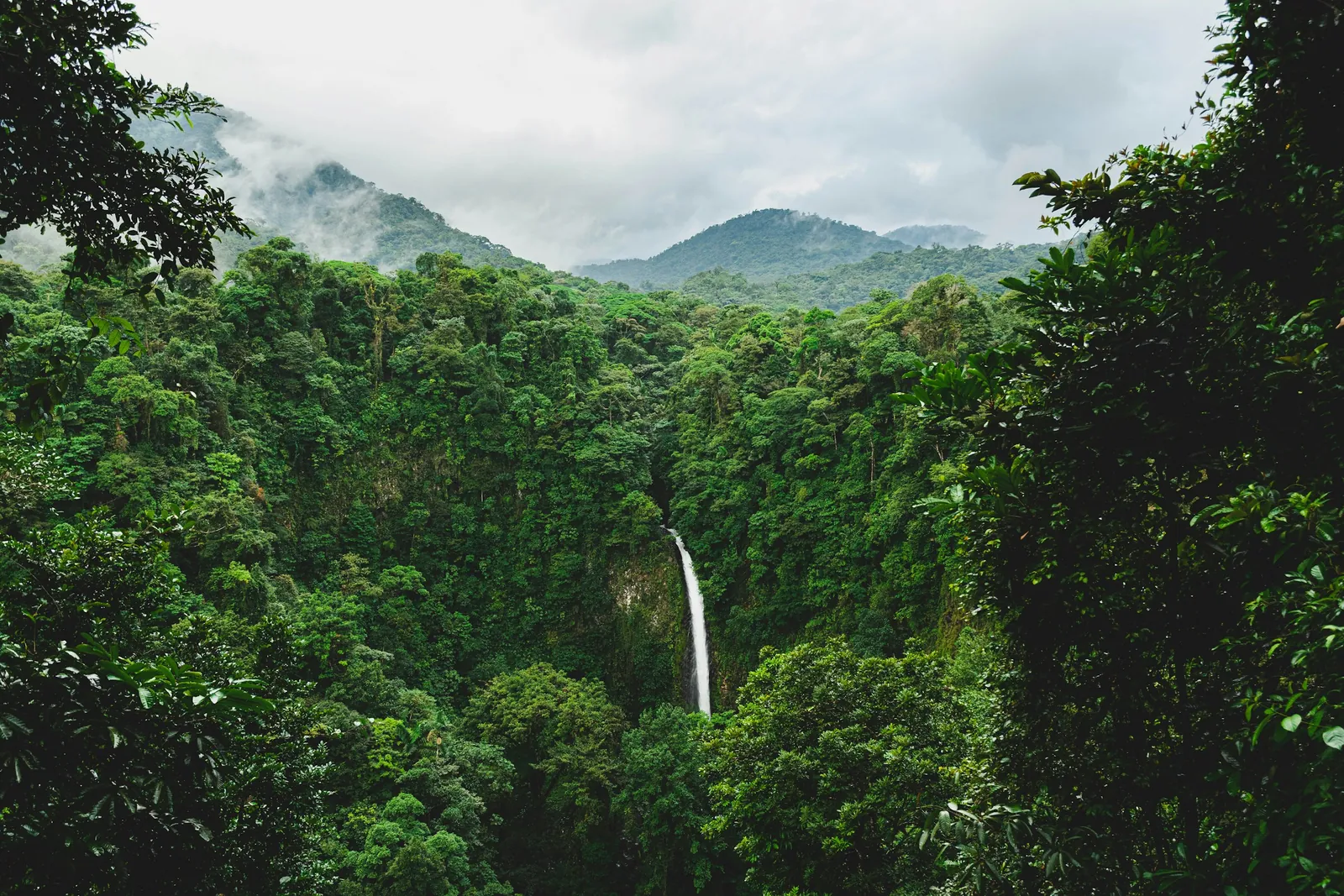
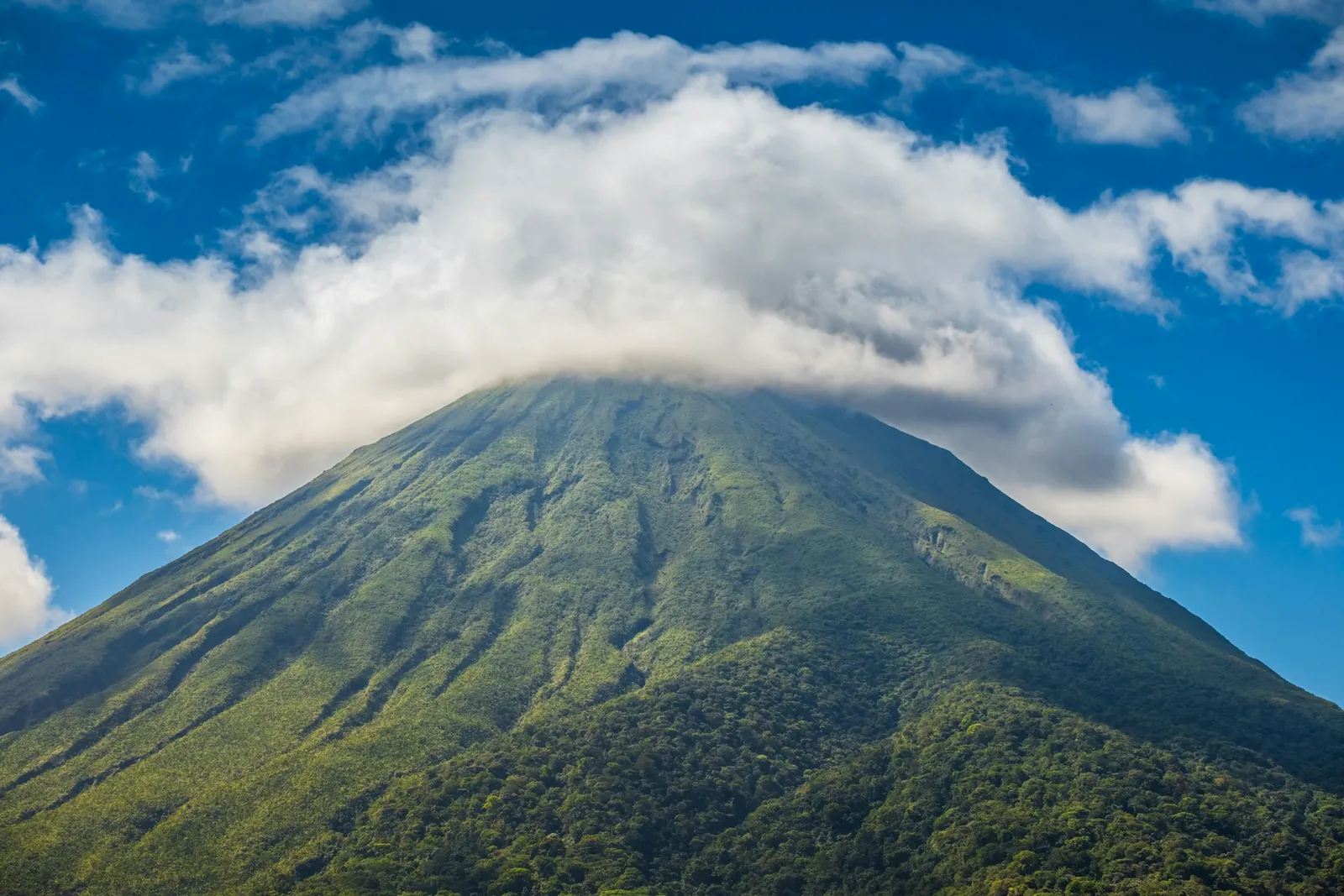
- Costa Rica: dry season December to April, green season May to November.
These are our working definitions, not weather-service ones, and the edges are soft; Costa Rica's own weather service draws its lines differently, as you will see below. We publish no rainfall figures: the public sources we compared disagree with each other, and a number we cannot trust is worse than none.
Best time to visit Peru: what each season gives and costs
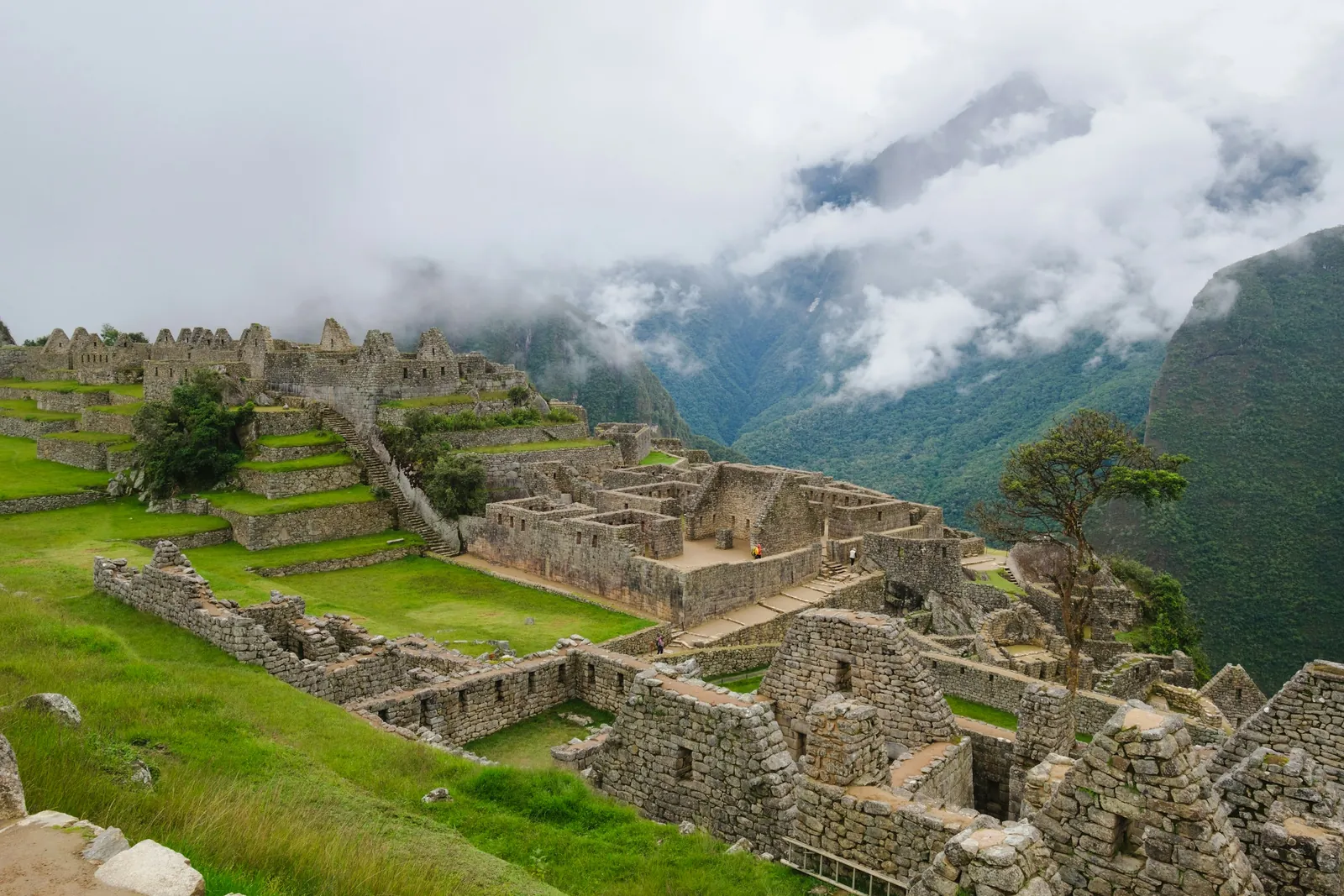
Machu Picchu
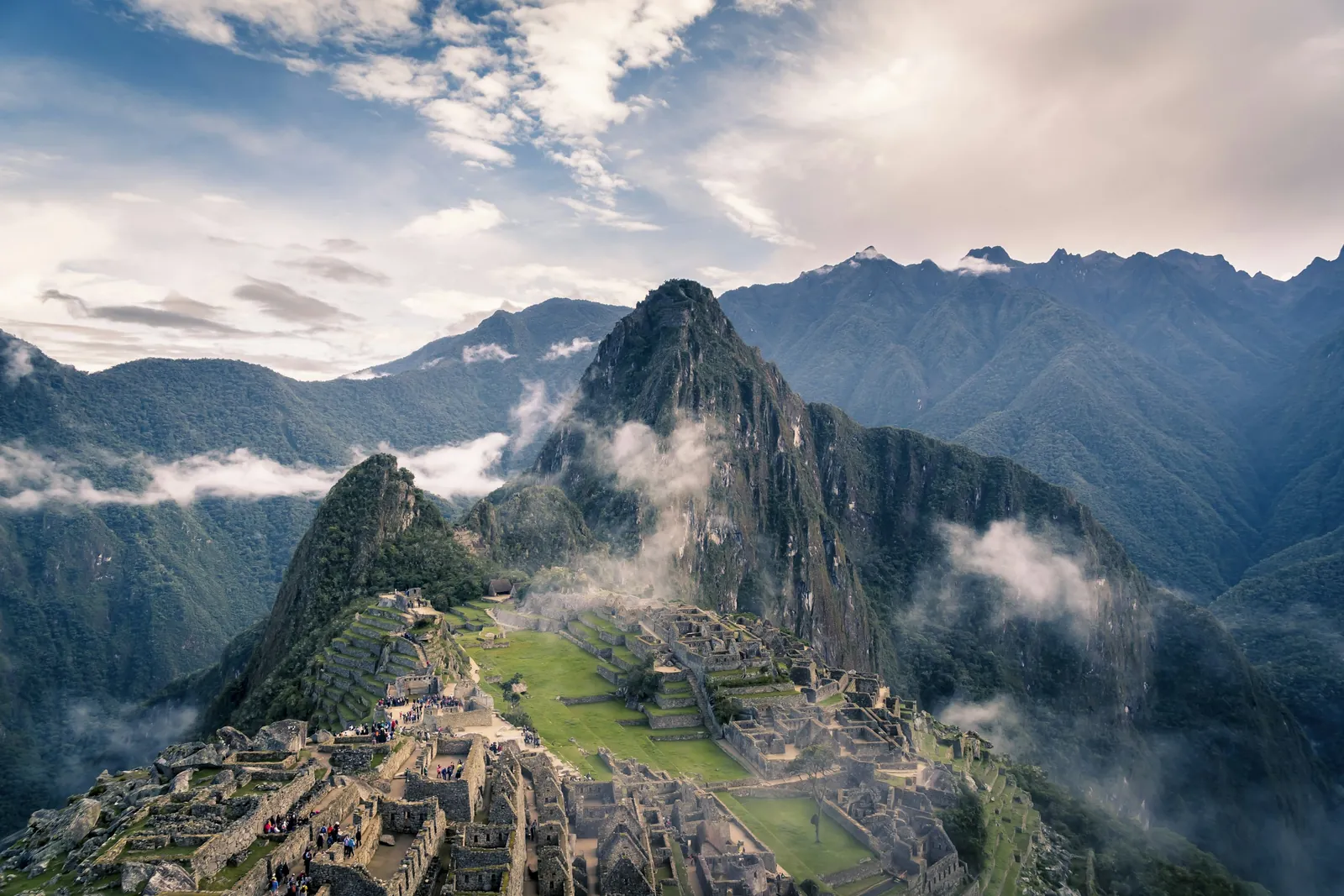
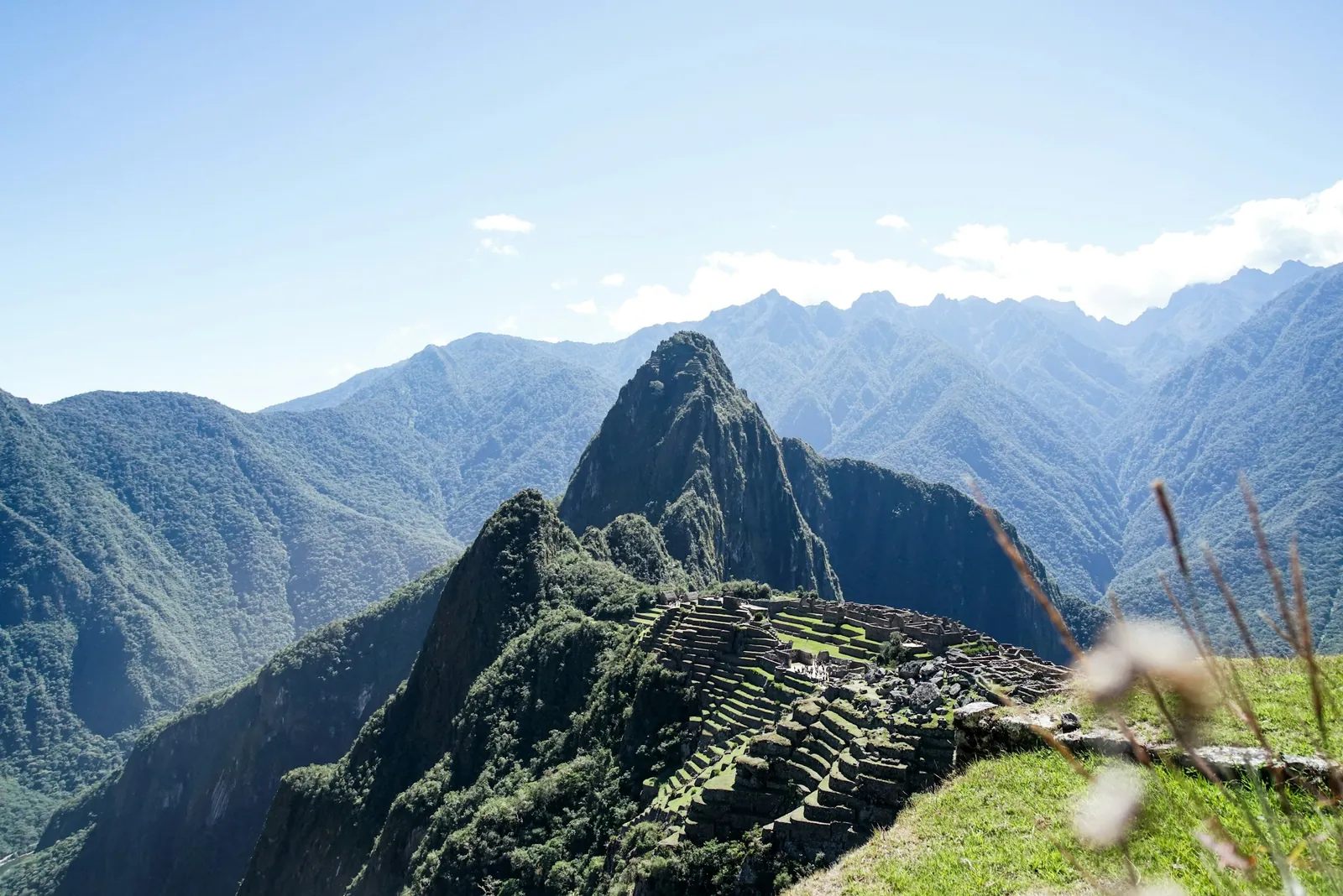
In the dry season you get the clearest skies and the most predictable days, and so does everyone else. Inca Trail permits for May to September sell out months ahead, and we ask travellers to book four to six months in advance. Entry to the citadel itself can run out too: in July 2023 the Peruvian news agency Andina reported that tickets in Cusco were sold out until August. How the circuits work is in our Machu Picchu guide.
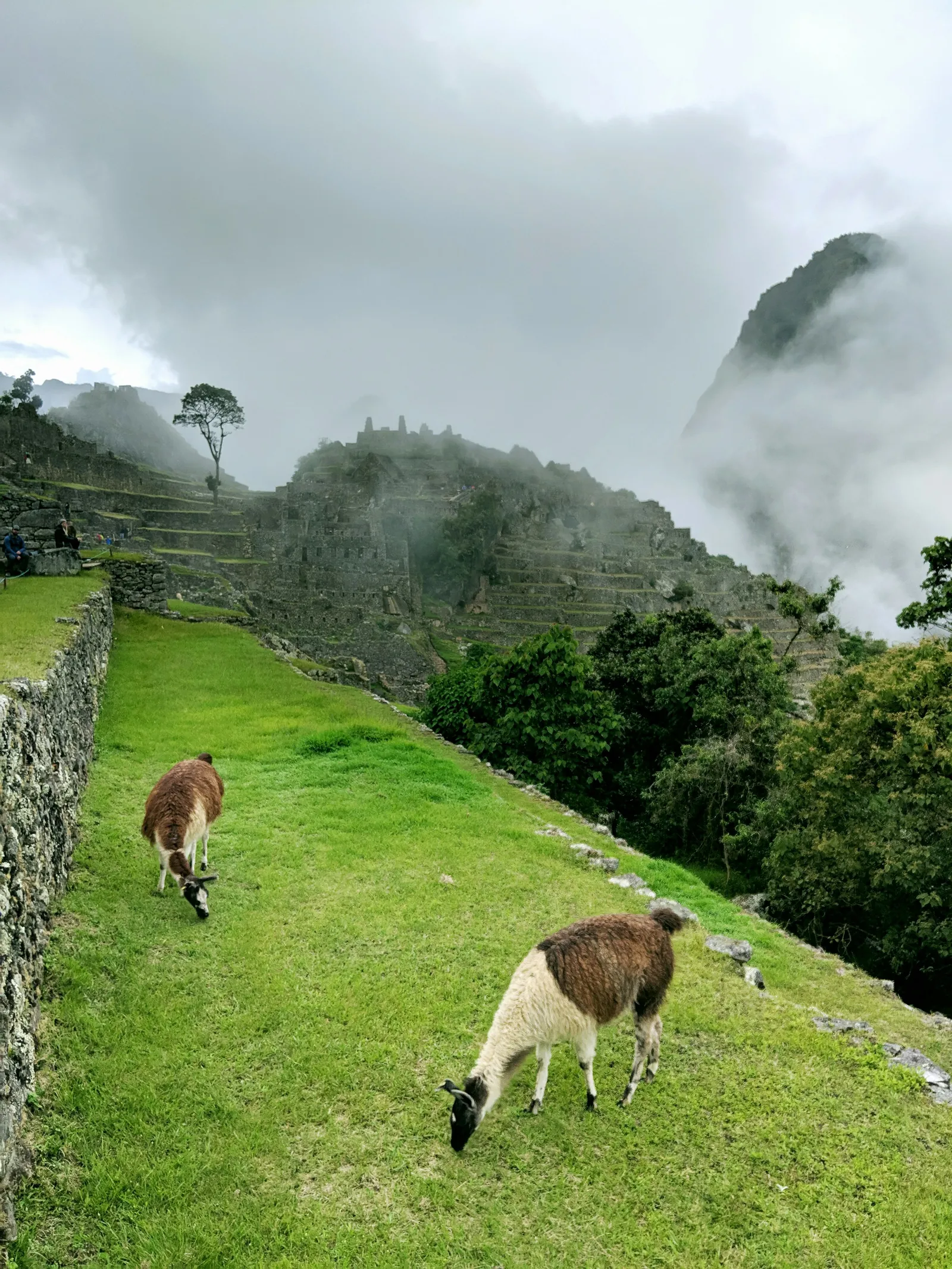
In the green season the crowds thin, and the mist at 6 am can give the best photographs of the year. The cost is logistics. Heavy rain triggers landslides on the railway: on 27 March 2023, mud, rock and trees blocked the line between Ollantaytambo and Machu Picchu, and operations stayed suspended until it was cleared. In 2026, a mudslide on 30 March stopped the separate Machu Picchu Pueblo to Hidroeléctrica section until 6 April; the Ollantaytambo trains were not affected. Put Machu Picchu early in the trip, never on the last day before an international flight.
Trekkers, note one more date: the classic Inca Trail closes every February for maintenance and reopens on 1 March. The citadel stays open, so February is still a Machu Picchu month, but not an Inca Trail one.
Trekking and Rainbow Mountain
The dry season is the safer window for high walks such as Rainbow Mountain or Humantay, though nights are cold: the Vinicunca trailhead is around freezing at dawn and warms to 10 to 15 °C by midday. In the middle of the rainy season we advise against Vinicunca and suggest Palcoyo instead; the details are in our Rainbow Mountain guide. Whatever the month, spend your first days lower. The Sacred Valley, at about 2,800 m, is easier to sleep in than Cusco at 3,400 m, and our Sacred Valley guide explains how to use it as a base.
Festivals: Inti Raymi and Qoyllur Riti
Inti Raymi, the Festival of the Sun, takes place every 24 June in Cusco, in three stages: the Qorikancha, the Plaza de Armas and the archaeological park of Sacsayhuamán, where the main ceremony happens. The city council organises it through its festivals company, Emufec. It falls in the dry season, when Machu Picchu tickets and Inca Trail permits are already hardest to get, so book hotels and the rest of the trip far ahead.
Qoyllur Riti is a different matter: a pilgrimage to a sanctuary in the Sinakara valley, listed by UNESCO in 2011 as intangible cultural heritage, with a date that moves each year with Corpus Christi, in May or June. It is not an excursion and not one of our standard tours. If it matters to you, tell us early and we will talk honestly about whether and how to attend.
The coast and the Amazon follow their own calendars, so the dates above describe the Andes.
Best time to visit Bolivia: dry crust or mirror
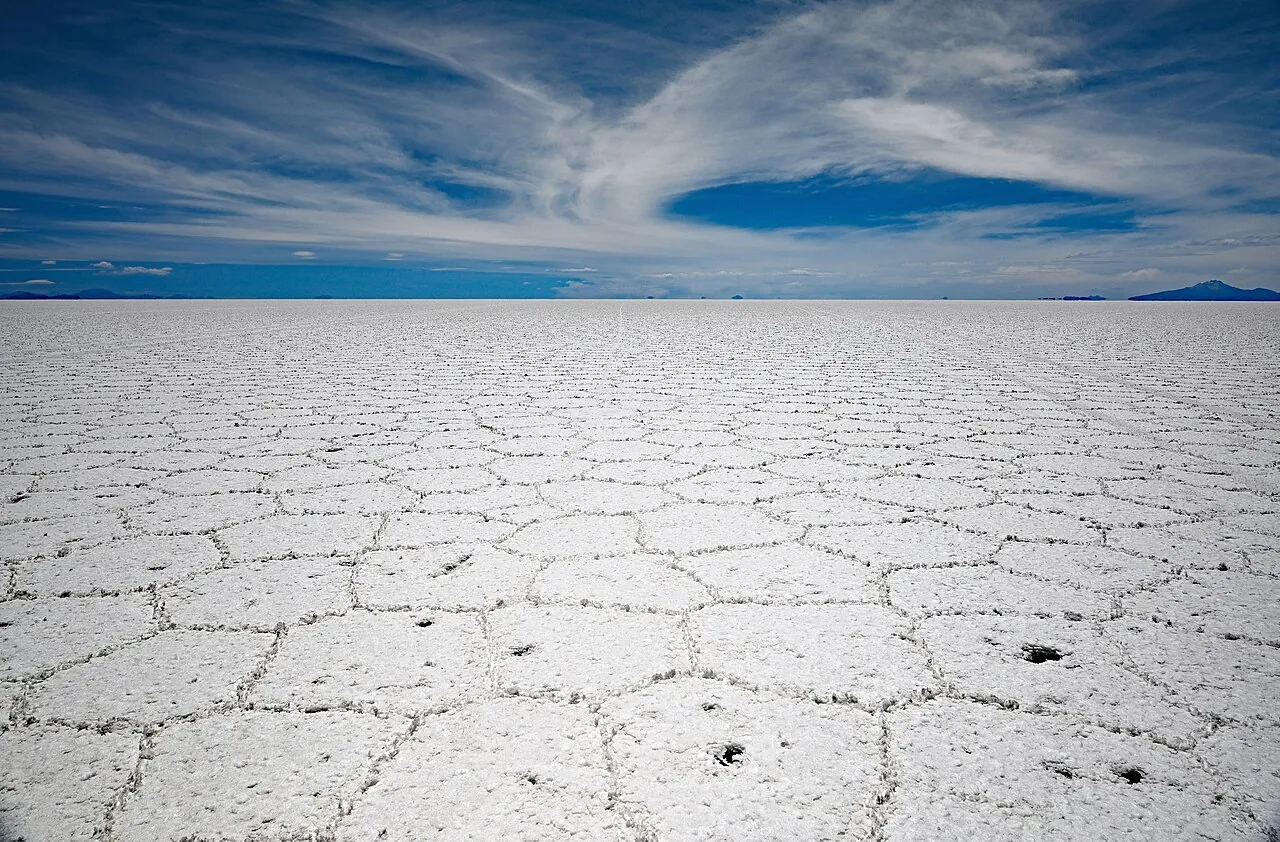
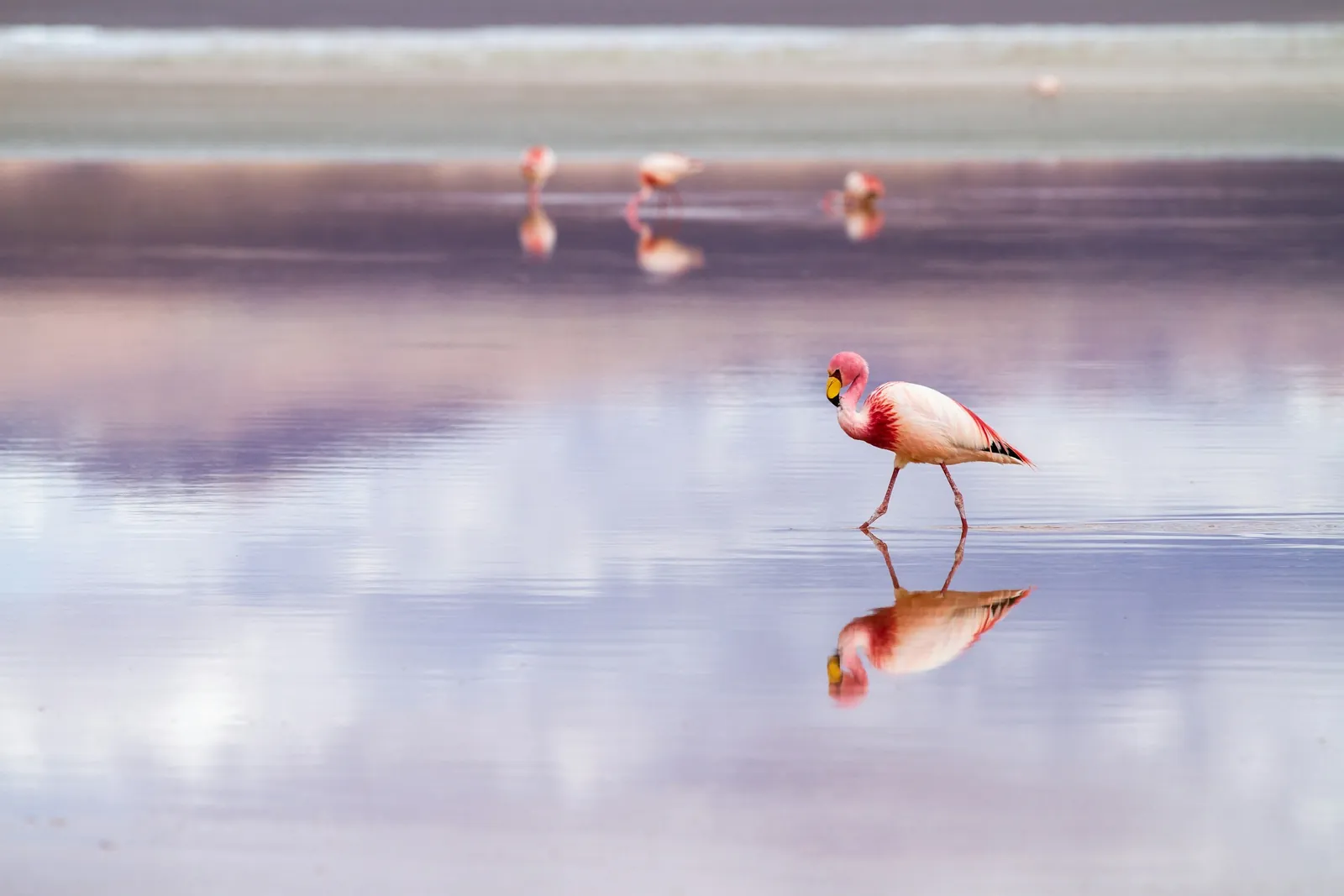
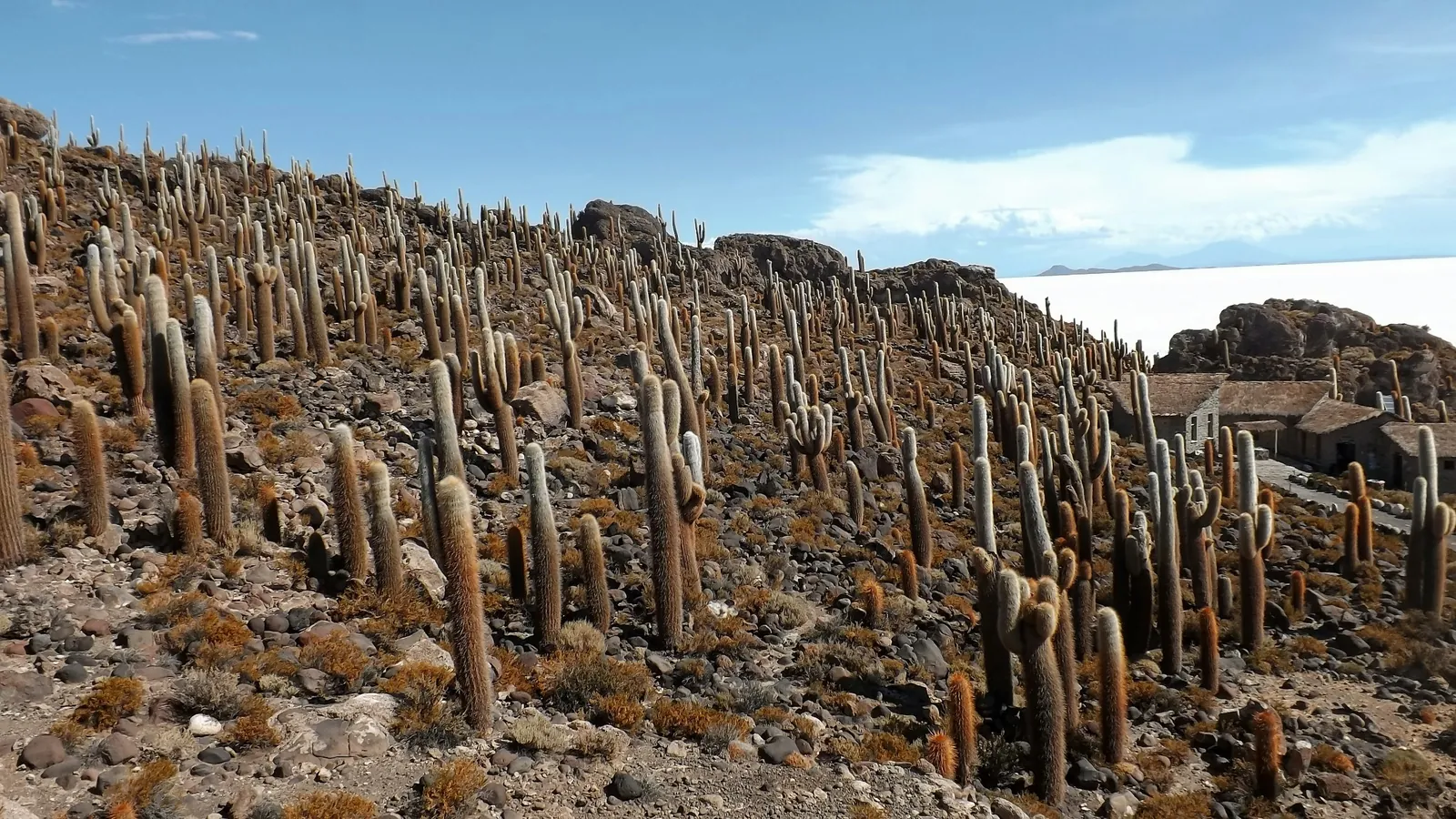
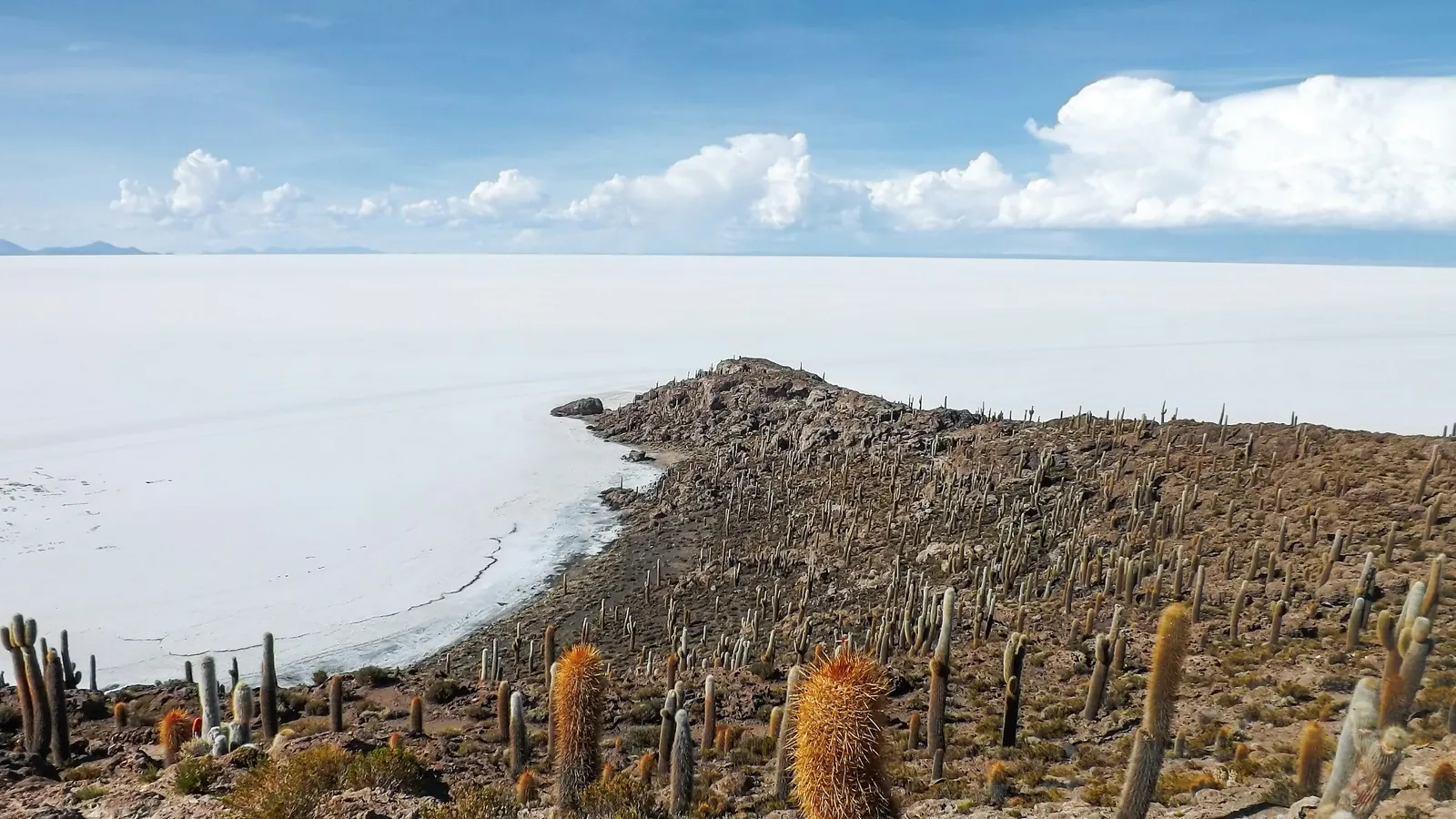
Bolivia is the clearest case of the green season being the product. In the dry months, May to October, the Salar de Uyuni shows its dry hexagonal salt crust, the roads to the coloured lagoons are stable, and nights are very cold. From November to April, a film of water can turn the flat into a mirror of the sky, the season most photographers choose. Our FAQs put the mirror mostly between December and April.
The mirror has a cost: parts of the flat can close after heavy rain. NASA's Earth Observatory reported that in the 2021 to 2022 rainy season, with the Salar brimming with water nearly to its edges, local newspapers described temporary prohibitions on crossing it during the busy tourist season. A mirror trip needs a spare day and a guide who will tell you honestly what is open.
Our 3-day Uyuni and Laguna Colorada tour runs as a shared departure in a 4x4 with up to four travellers, and we can arrange it as a private tour. Uyuni sits at about 3,656 m, so give yourself time at altitude first. Peru and Bolivia combine well, since their dry seasons overlap from May to September. More in our Bolivia FAQs.
Best time to visit Guatemala: afternoon rain, morning clarity
The dry season, November to April, brings clear mornings at Tikal and comfortable walking in Antigua. Semana Santa, Holy Week, is the busiest week of the year; in 2027 it runs from 21 to 28 March. The green season, May to October, brings short afternoon bursts, mornings that usually stay clear, the greenest jungle and lake, fewer people and lower prices. The UK Foreign Office describes the rainy season as normally running May to November, so early November can still be wet.
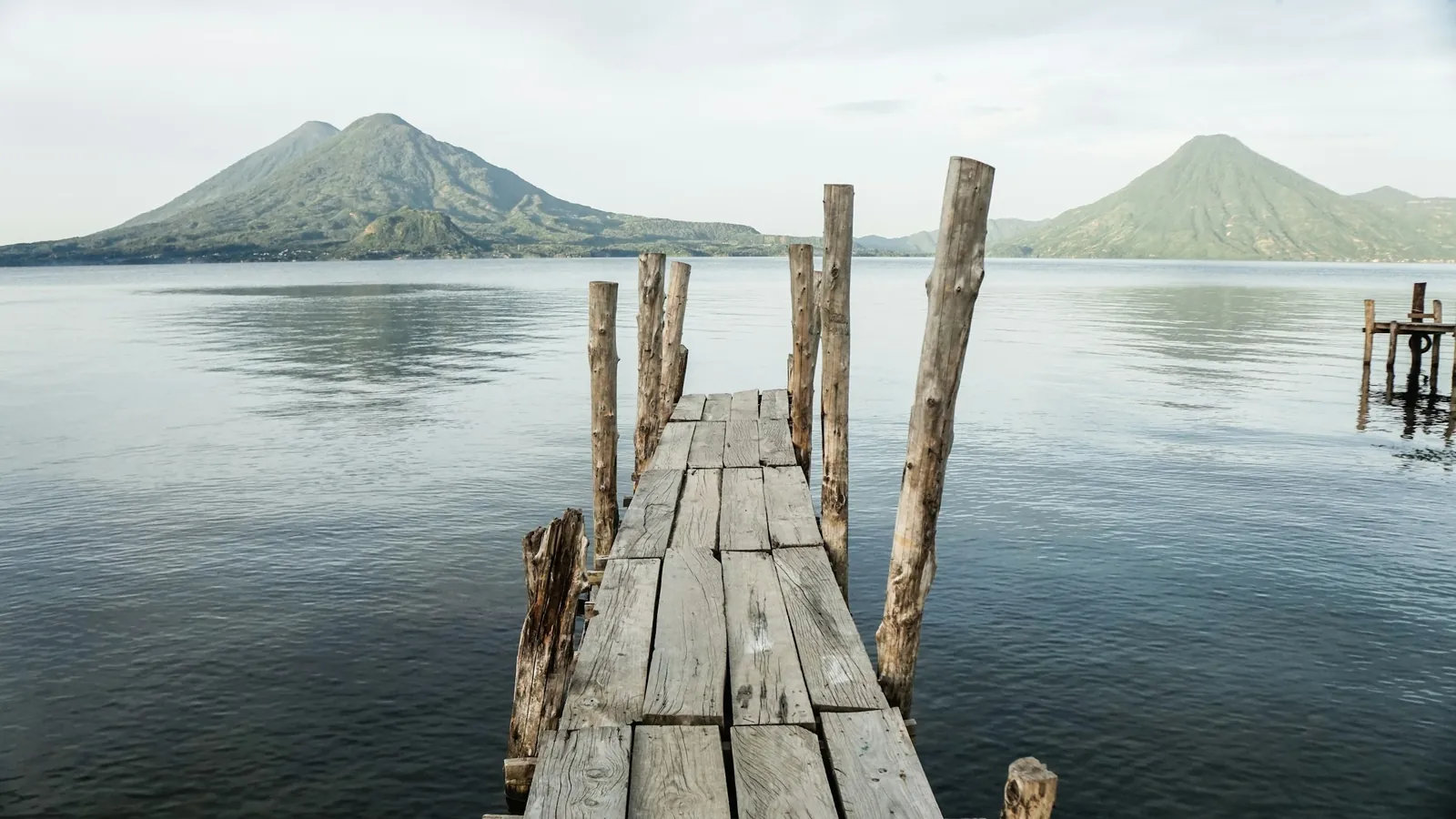
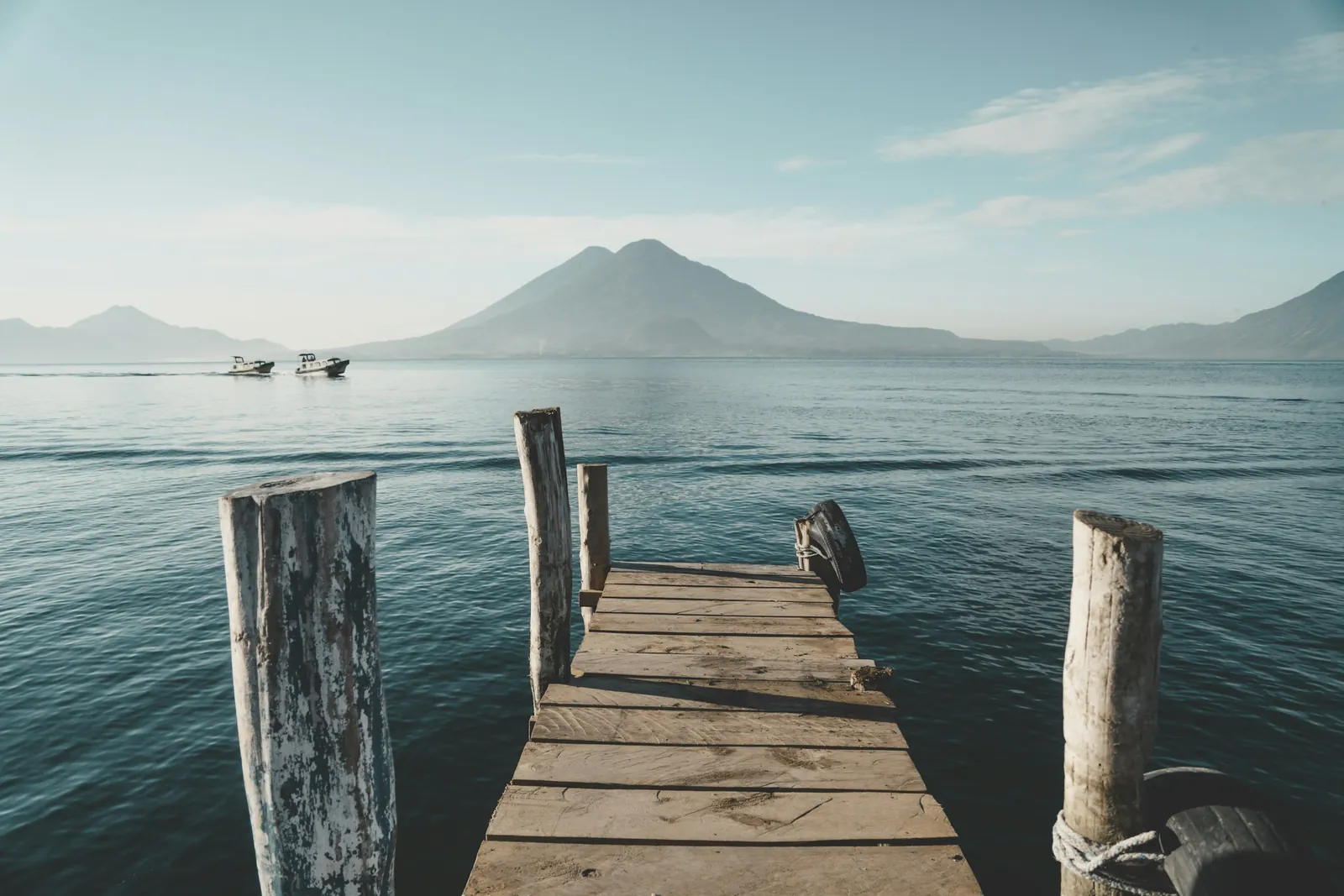
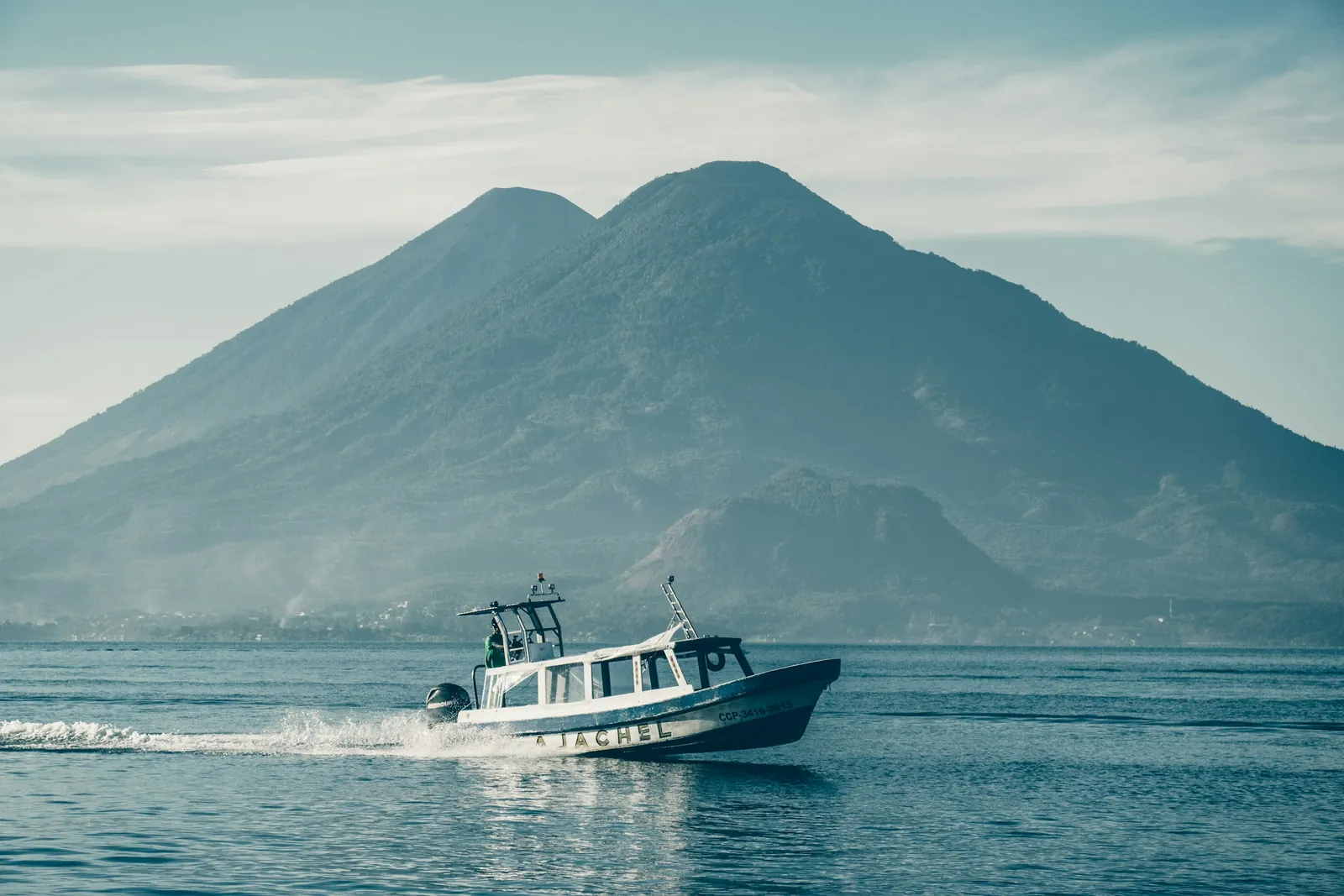
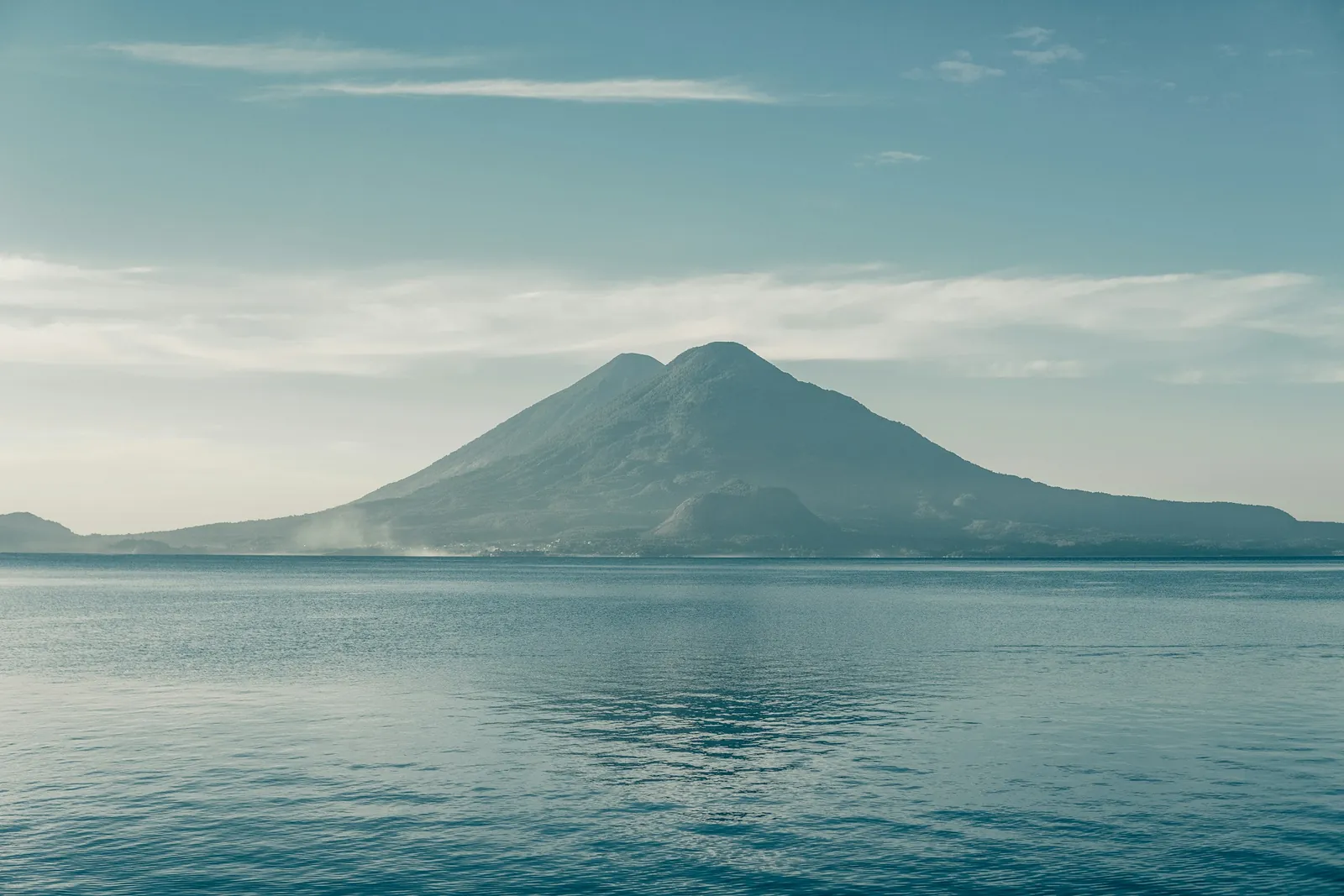
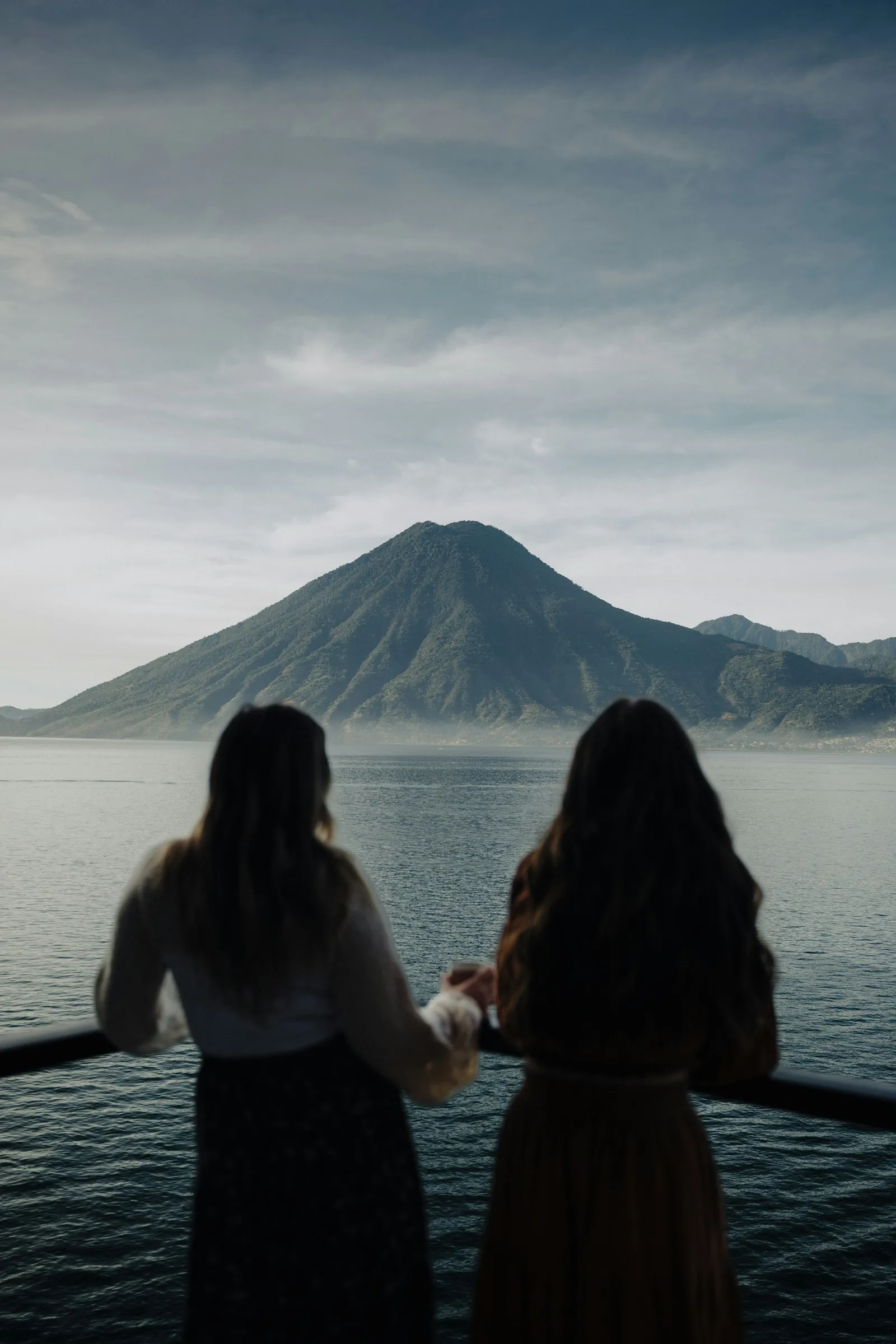
Rain has two practical effects. Wind on Lake Atitlán can make afternoon crossings rough, so boats go in the morning, and landslides can close roads to the lake. We lay out the days, transfer times and safety advice in our Guatemala itinerary for 7 days, and the Guatemala FAQs cover Tikal by month.
Best time to visit Costa Rica: two coasts, two calendars
Here our simple dates need a correction. We say the dry season is December to April and the green season May to November, and that holds for the Pacific side. Costa Rica's national weather service, the IMN, describes the Pacific slope in more detail: a well-defined dry season from December to March, April as a transition month, rain from May to October, November as a transition, a relative pause in July and August, and the heaviest rain in September and October. Those descriptions rest on records from 1961 to 1990, so read them as a pattern, not a forecast.
The IMN says the Caribbean slope is different. It has no defined dry season; its relatively dry stretches on the coast are February to March and September to October, and its wettest month is December. Since September and October are the Pacific side's wettest months, the two coasts can have opposite luck in the same week. Pacific rain falls mostly in the afternoon and early evening; Caribbean rain falls more at night and in the morning.
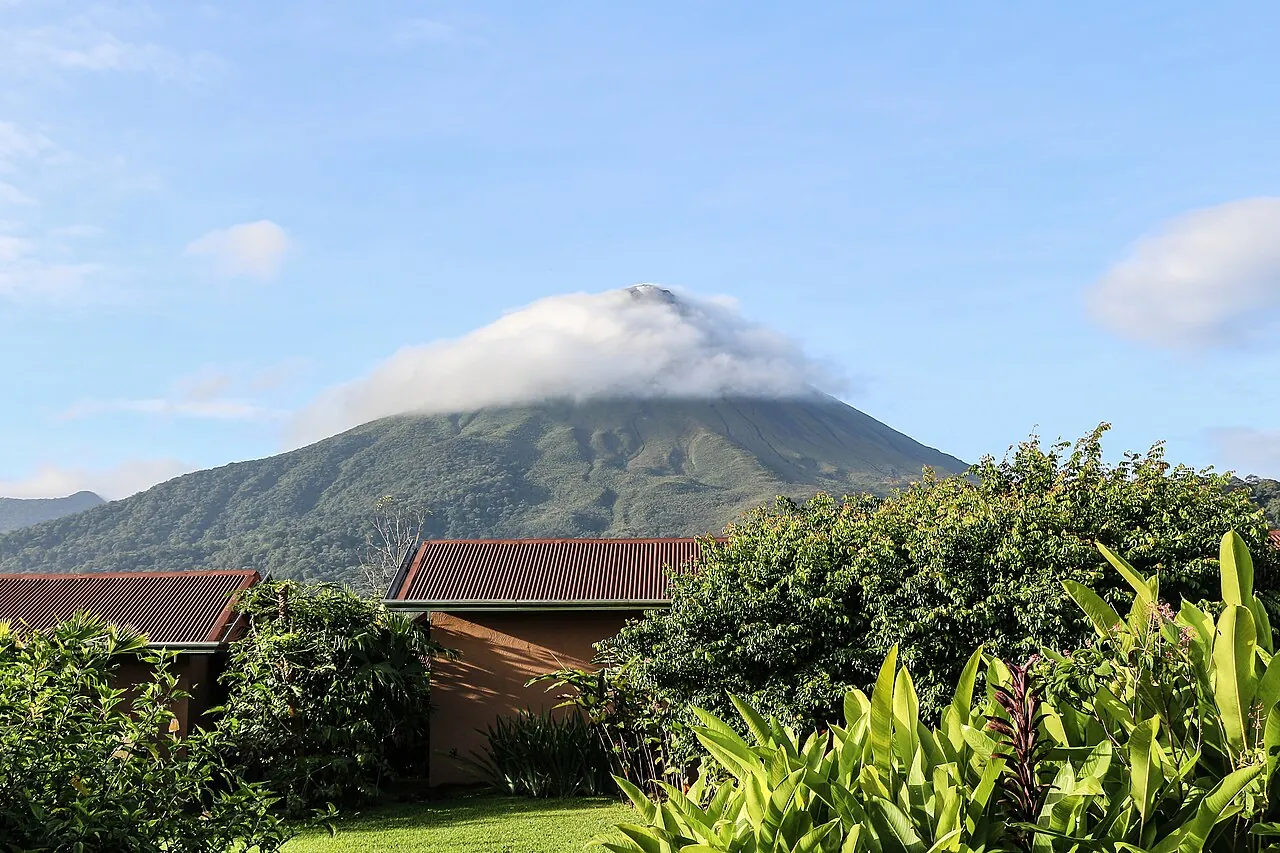
For a beach week on the Pacific, travel in the dry season and book early, because it is also the highest season. For Tortuguero or Puerto Viejo, do not assume the dry season is better; talk to us about your dates. Our 13-day coast-to-coast itinerary crosses both slopes, and the Costa Rica page shows the other options. In the green season the country is at its most vivid, with mornings that are usually clear, fewer crowds and lower prices.
Which season fits which trip
- Machu Picchu with the least risk of delay: May to September, with tickets, trains and permits booked months ahead.
- Machu Picchu with space and quieter terraces: the green season, with a spare day for the railway.
- High treks and Rainbow Mountain: dry season, and not before you have acclimatised.
- Uyuni mirror: roughly December to April, with a flexible day. Uyuni crust, lagoons and stars: May to October.
- Pacific beaches in Costa Rica: December to March. Rainforest and wildlife: any month, with a rain jacket and a morning start.
- Culture, markets and food in Guatemala: any month, and not Holy Week unless you want the processions.
- A quieter trip: the green season in Peru. Quieter and cheaper: the green season in Guatemala and Costa Rica.
Tell us what you want to see and when you can travel, and we will say which season fits and what it costs you. Send us your dates and the number of travellers, or read the answers on our Peru FAQs first. Our Peru page lists the journeys we design.
Frequently asked questions
What is the cheapest time to visit Peru?
In Guatemala and Costa Rica the green season is the lower-priced one. In Peru it mainly means fewer people in the highlands; whether it also lowers the price depends on the hotel, the dates and the trip. We publish no average saving.
Can I visit Machu Picchu in the rainy season?
Yes. The citadel is open and quieter, and morning mist often lifts by 8 or 9 am. Allow slack for train disruption, and leave the Inca Trail for another month, since it closes each February.
When is Inti Raymi?
Every year on 24 June, in Cusco. The main ceremony is at Sacsayhuamán.
Can I combine Peru and Bolivia in one trip?
Yes, and the calendars match best from May to September, when both are in the dry season. In the green season you gain the Uyuni mirror but risk a closed route on either side.
Keep reading
Photography: Cameron Wilkins / UnsplashVlad D / UnsplashP. Hughes / Wikimedia Commons, CC BY 4.0Christopher Garcia / UnsplashEtienne Delorieux / UnsplashWillian Justen de Vasconcellos / UnsplashElizabeth Gottwald / UnsplashChristopher Garcia / UnsplashVlad D / UnsplashFederico Scarionati / UnsplashWILLIAN REIS / UnsplashChristopher Garcia / UnsplashEugene Woronyuk / UnsplashWILLIAN REIS / UnsplashJose Figueroa / UnsplashBernard Gagnon / Wikimedia Commons, CC0