Journal
7 Lagoons of Ausangate: The Hike, the Altitude and When to Go
7 Lagoons Ausangate hike from Cusco: the drive to Pacchanta, the trail past seven glacial lakes, altitude, acclimatisation, hot springs and best months.
The 7 Lagoons of Ausangate are a day hike from Cusco: you leave around 04:00, drive roughly three hours to the village of Pacchanta, walk about three and a half hours up past seven glacial lakes below Ausangate, and are back in your hotel around 18:30. The walking is not technical. The altitude is what makes it hard, and it decides whether this hike suits you.
This guide covers the drive, the trail, the height you will be walking at, the Pacchanta hot springs and the months when the route is at its best. It is written by the team that runs the day trip, so where our tour does something, we say so. Where we could not confirm a figure, we say that too.
How far is the 7 lagoons Ausangate hike from Cusco?
The trailhead is Pacchanta, a small community in the district of Ocongate, south-east of Cusco. Our tour schedules about three hours on the road each way, leaving the city at 04:00–04:30 and reaching Pacchanta around 07:30. You watch the sun come up from the van.
Most operators route through the town of Tinki (also written Tinke) before taking the side road up to Pacchanta. Distances quoted online vary, so treat any kilometre figure you see as approximate. What matters in practice is the timing: this is a 14-hour day, and roughly six of those hours are spent sitting in a vehicle.
That has a consequence. If you have only one free day in Cusco and you are not yet used to the altitude, a shorter outing may serve you better. If you have time and want an Andean landscape with fewer people than the famous viewpoints, this is a strong choice.
What does the trail look like, lagoon by lagoon?
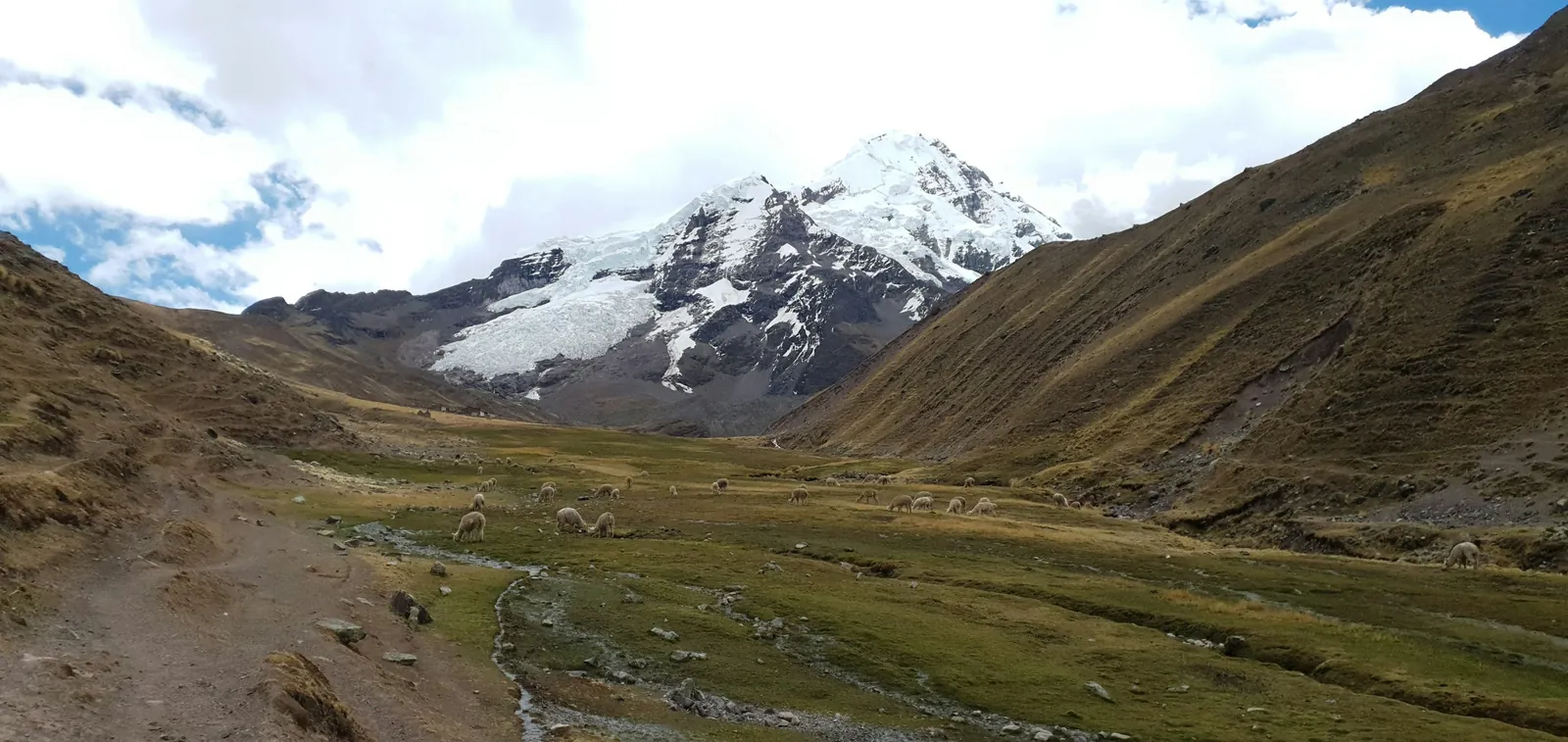
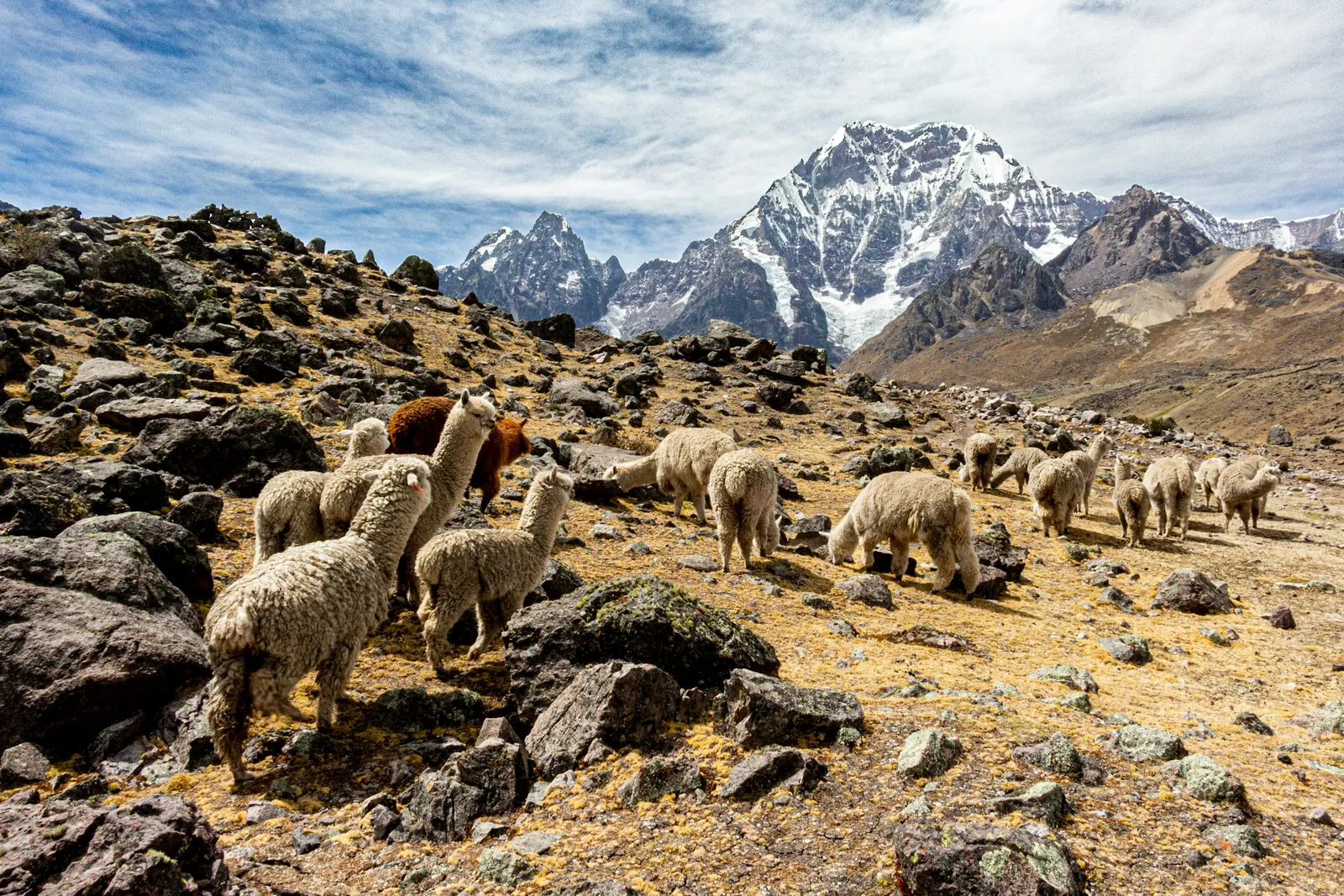
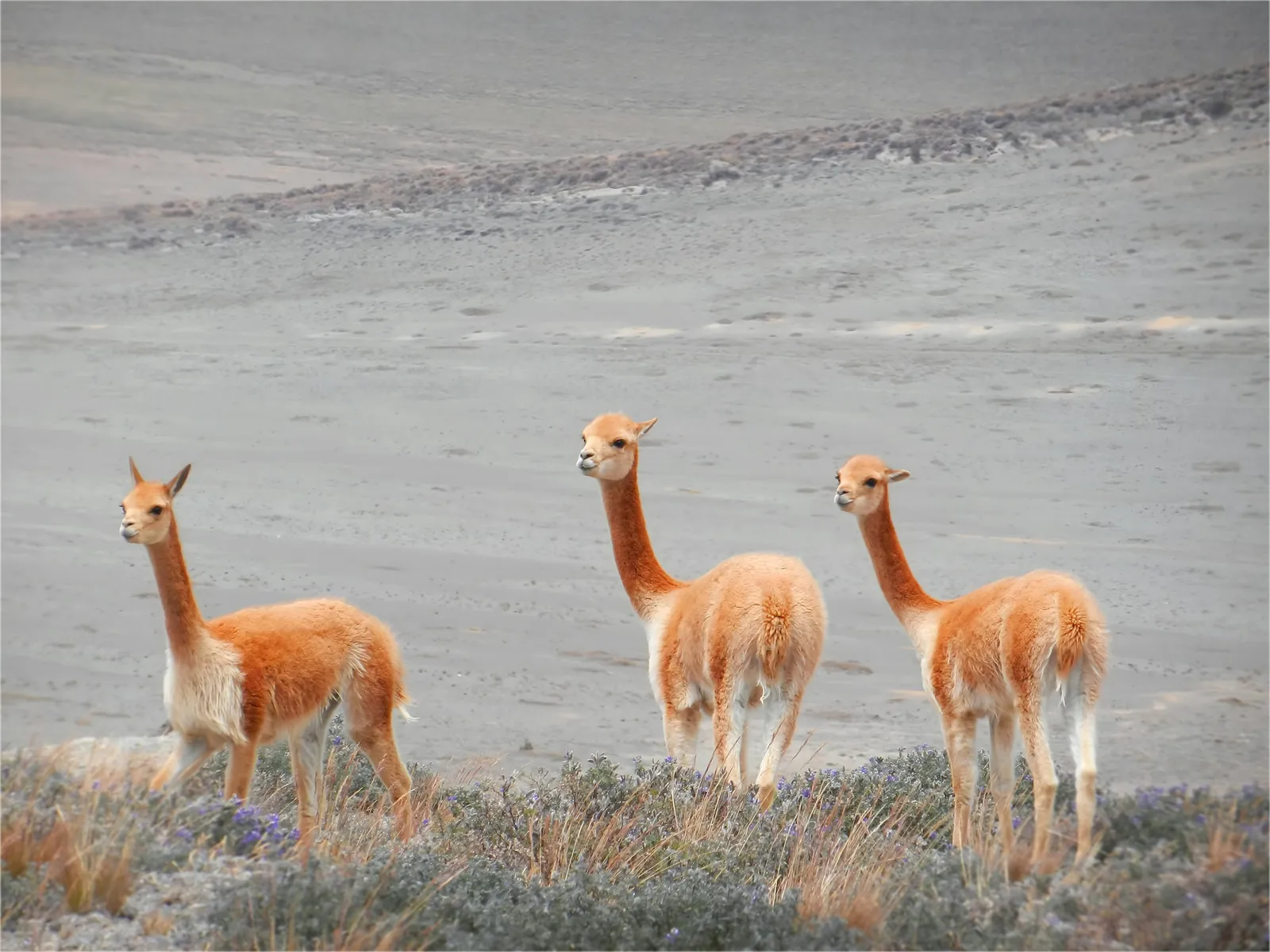
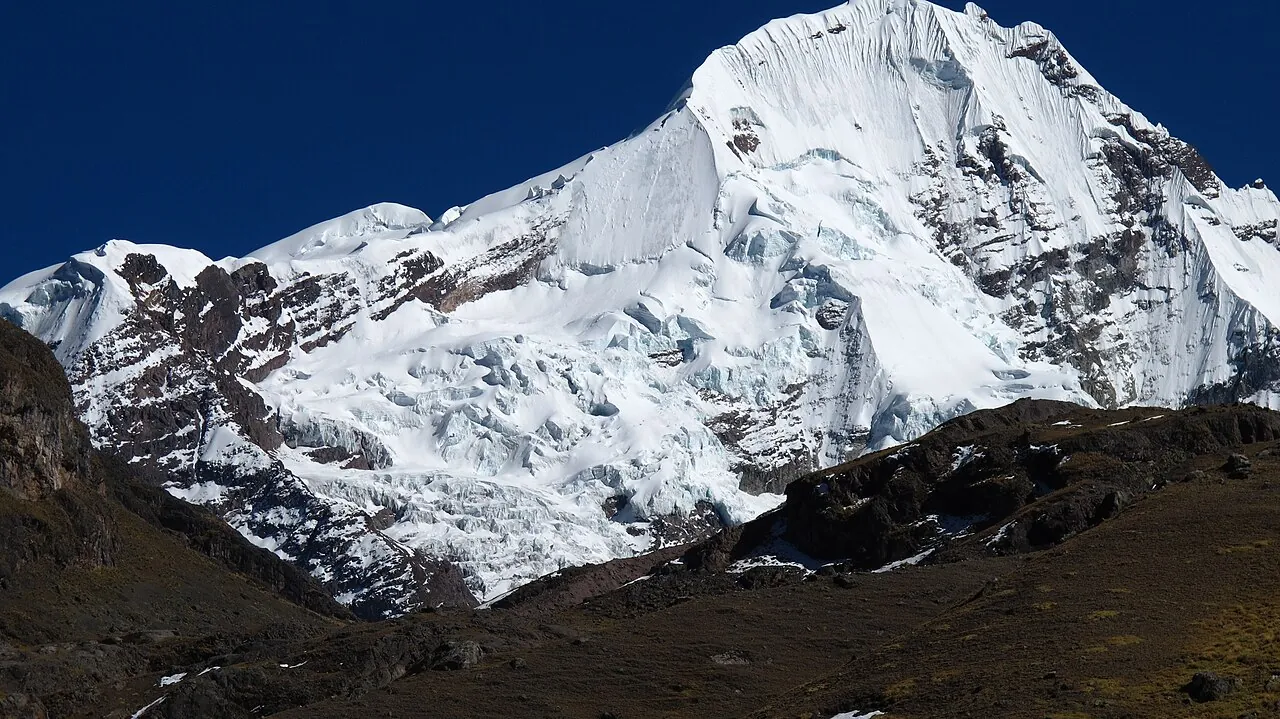
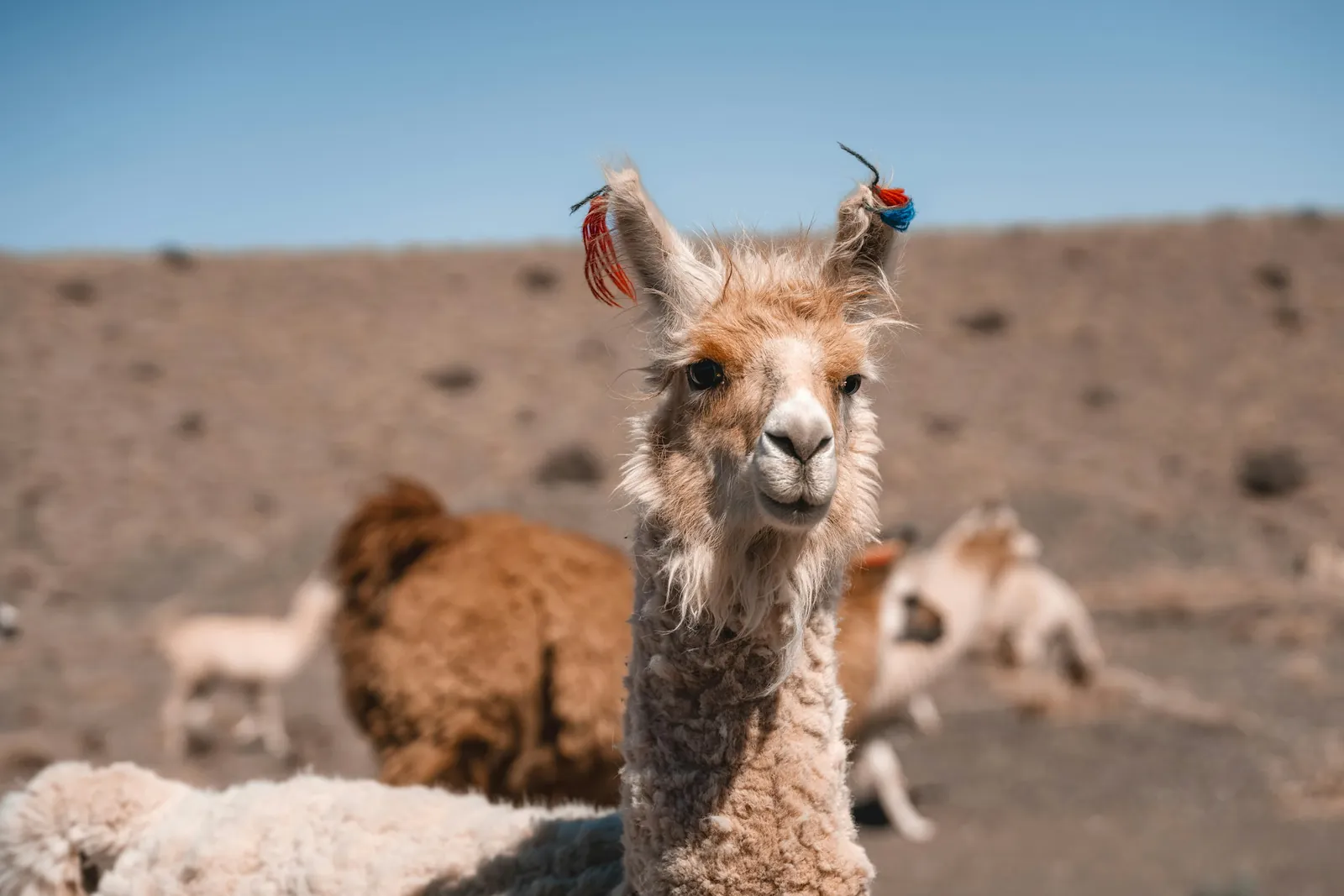
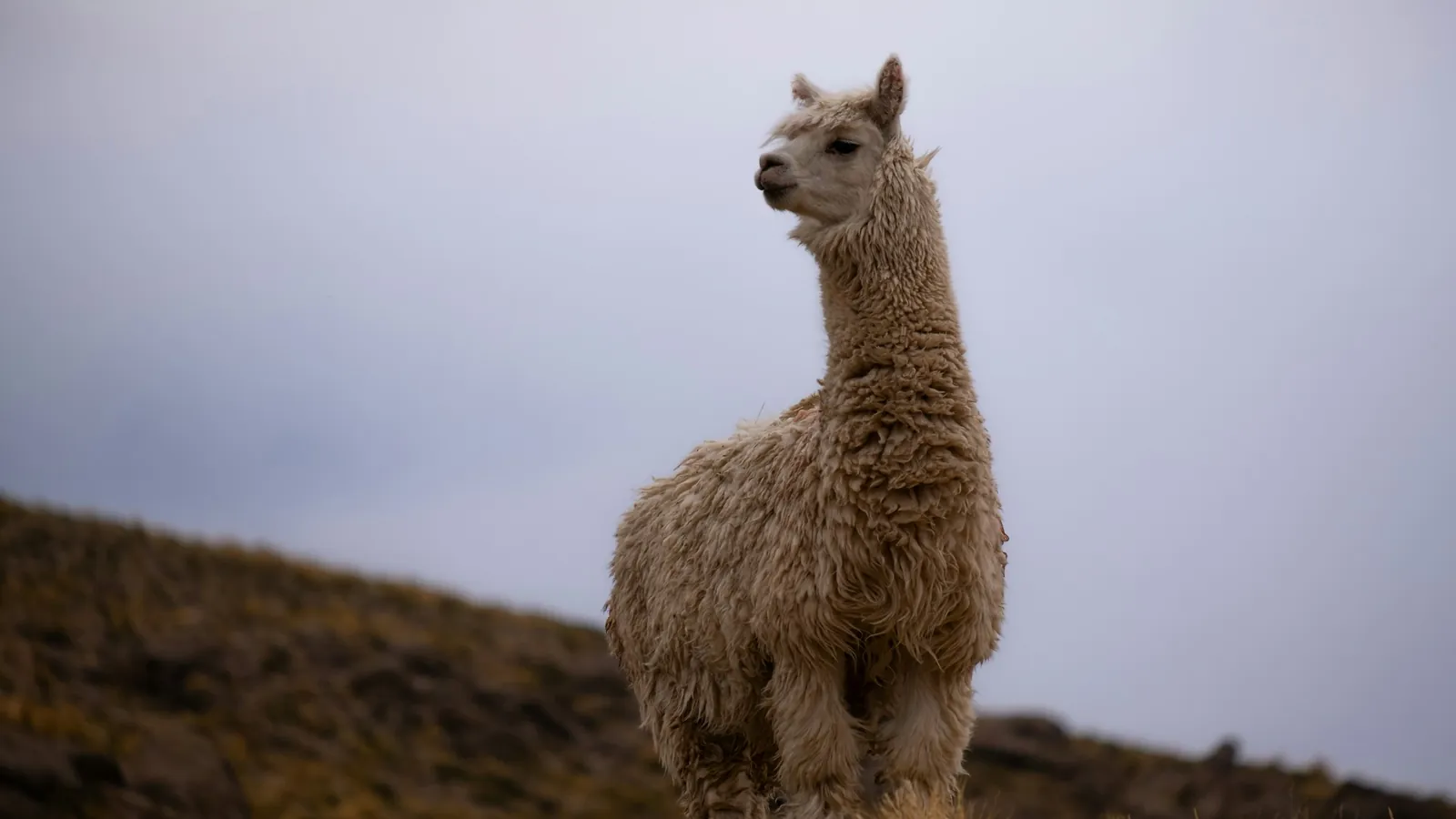
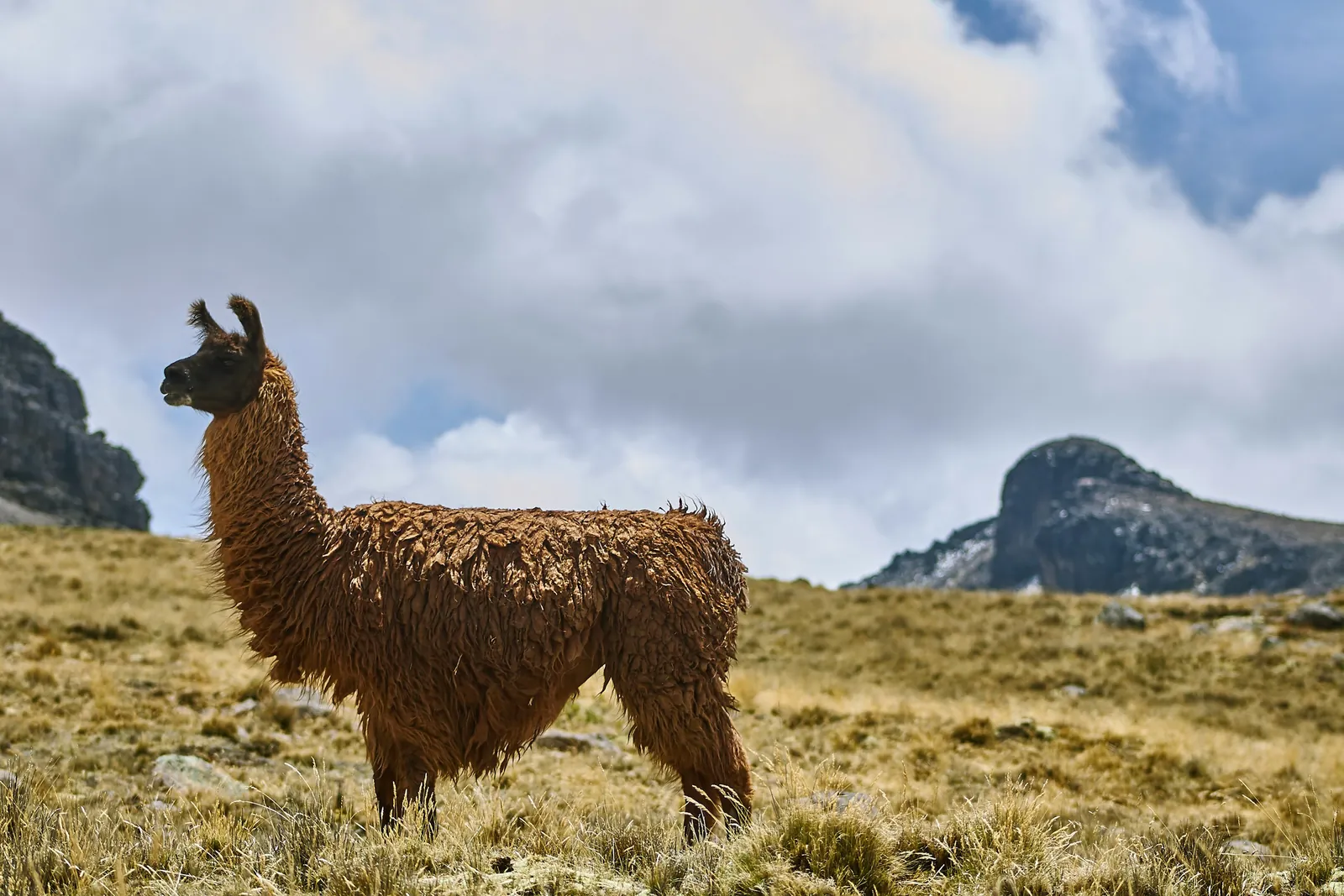
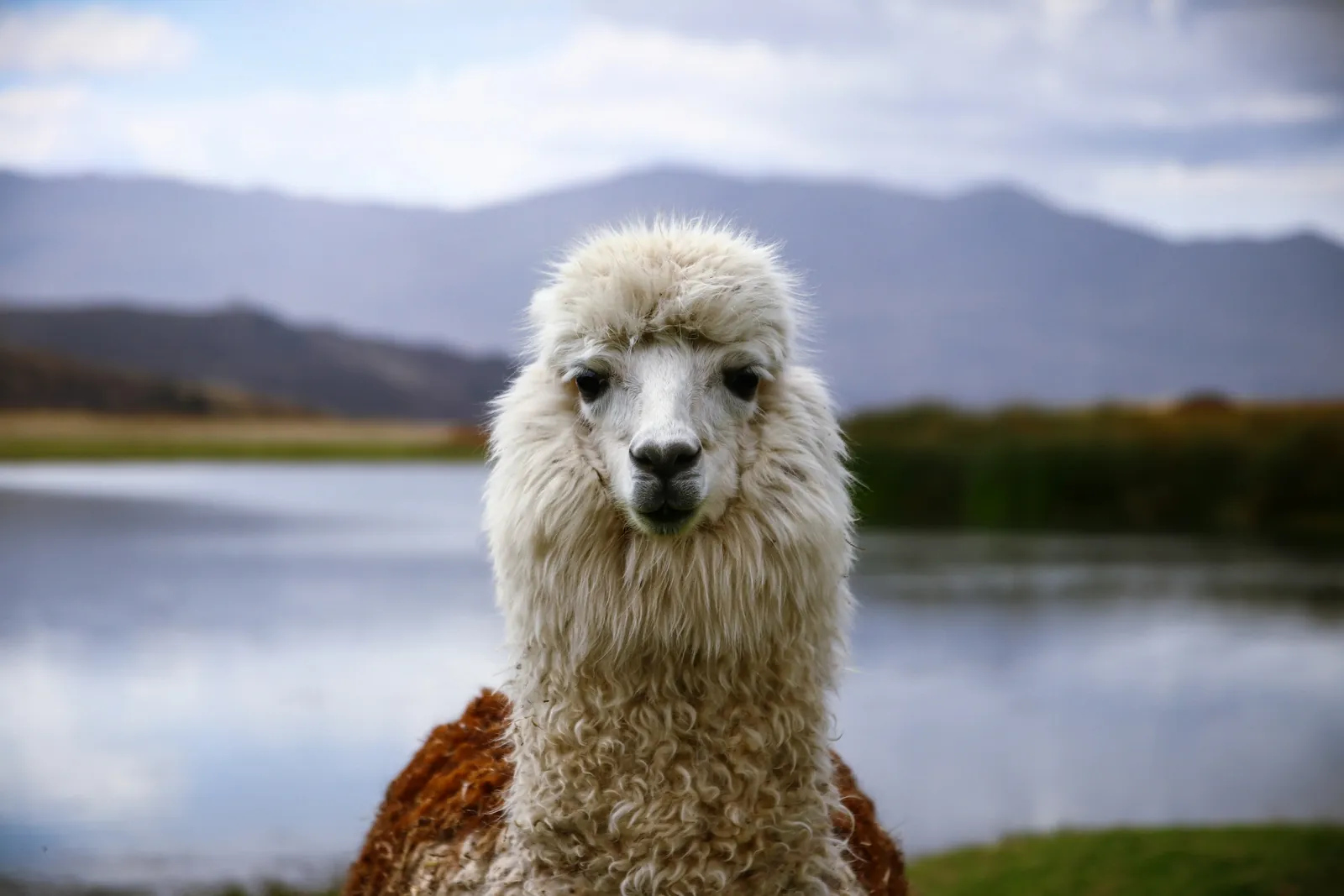
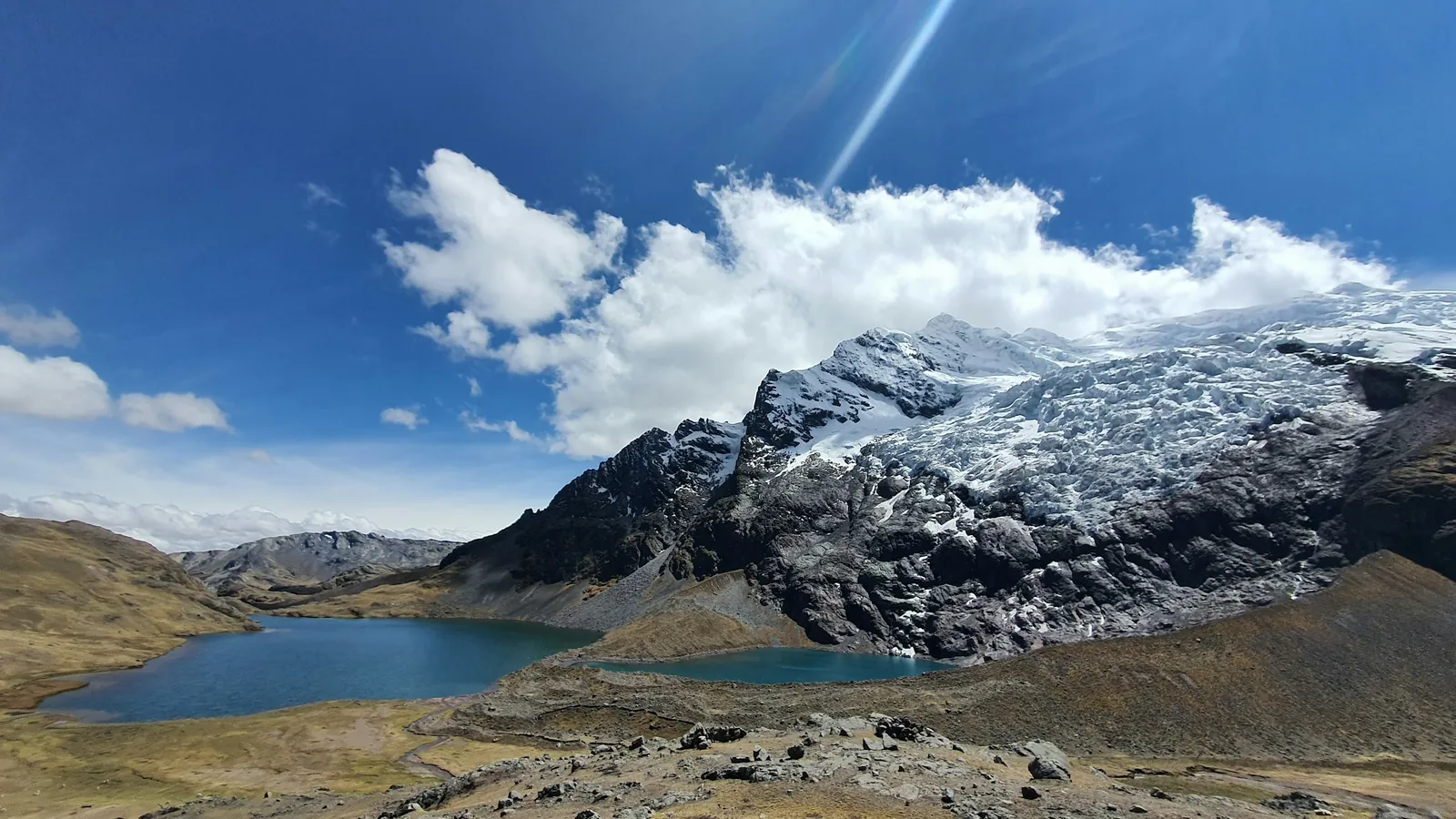
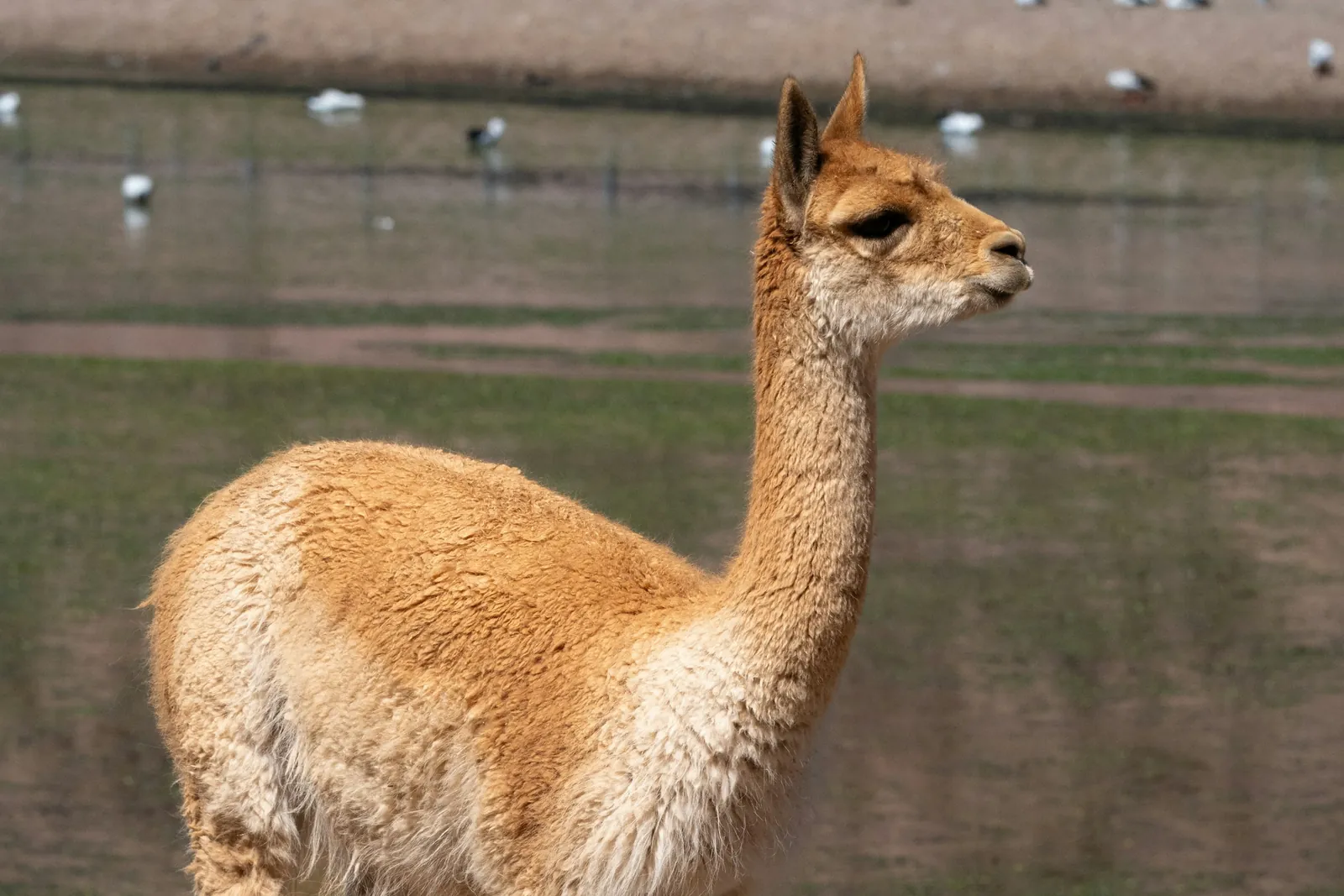
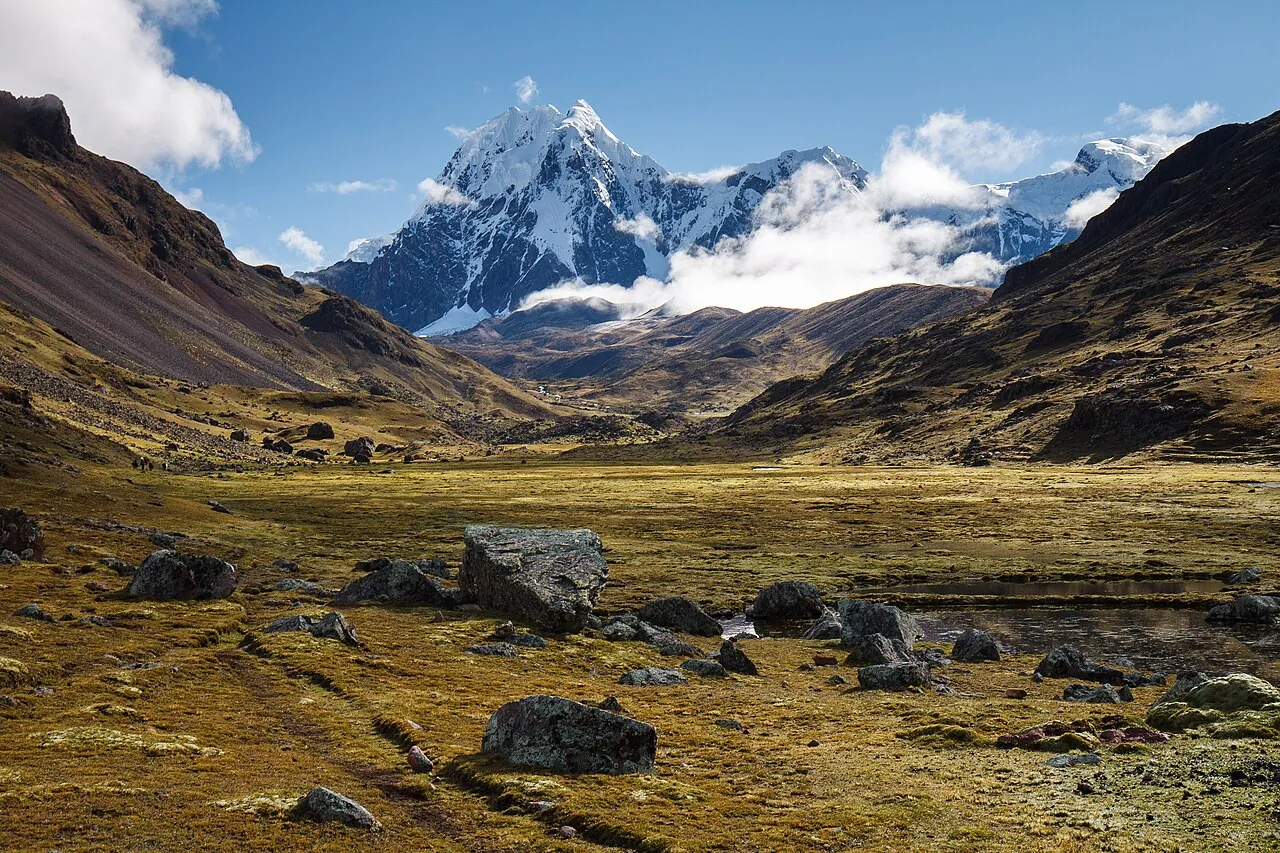
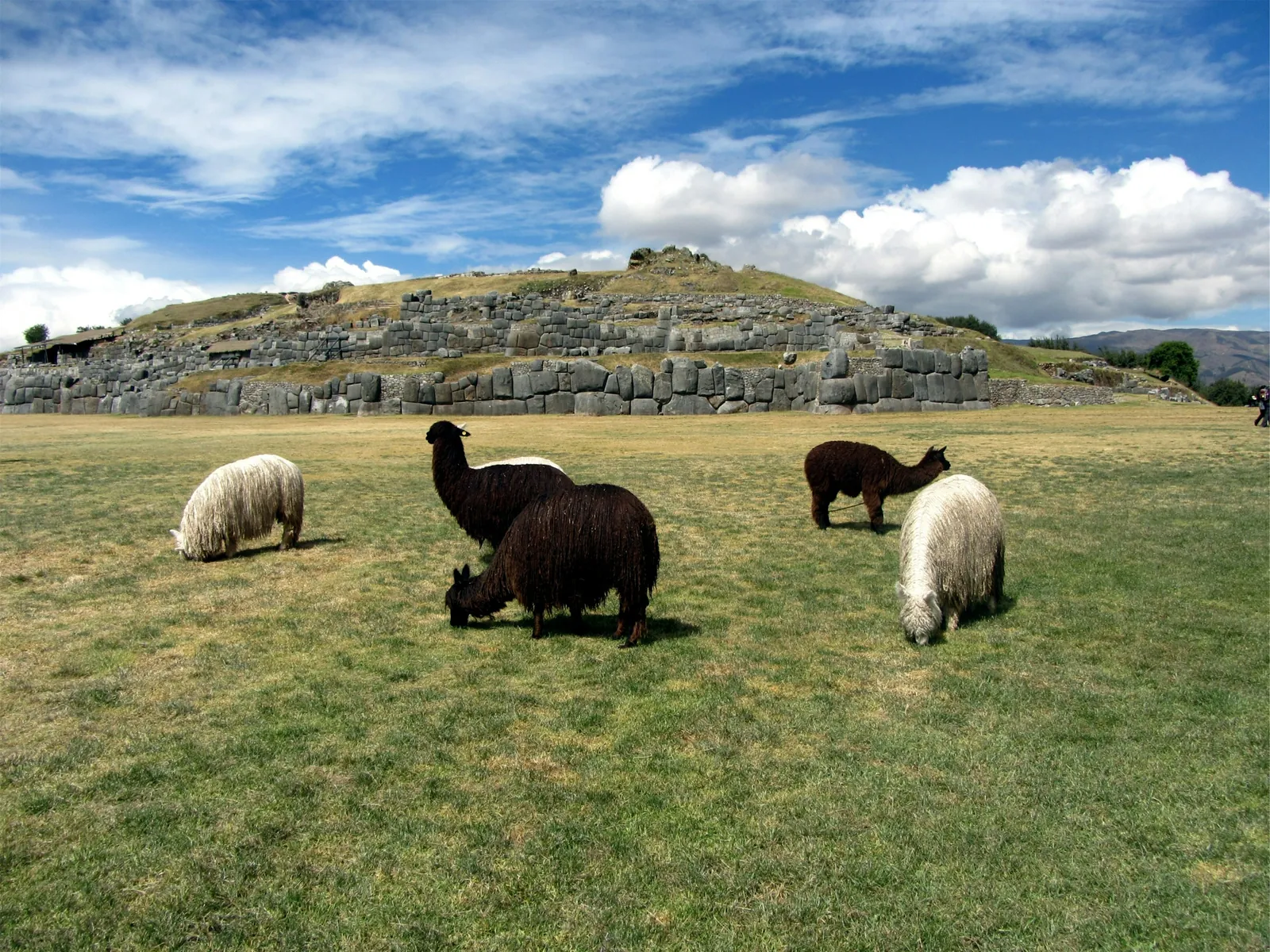
After breakfast in Pacchanta, the hike starts at about 08:30. Our itinerary allows three and a half hours to visit all seven lagoons on the way up, then about two hours to return to Pacchanta. The path climbs through pasture used by alpaca and llama herders, with Ausangate's ice cap filling the skyline ahead.
- Pucacocha (Quechua for red lake)
- Patococha
- Alcacocha
- Comercocha (from q'umir, green)
- Orco Otorongo
- China Otorongo
- Azul Cocha
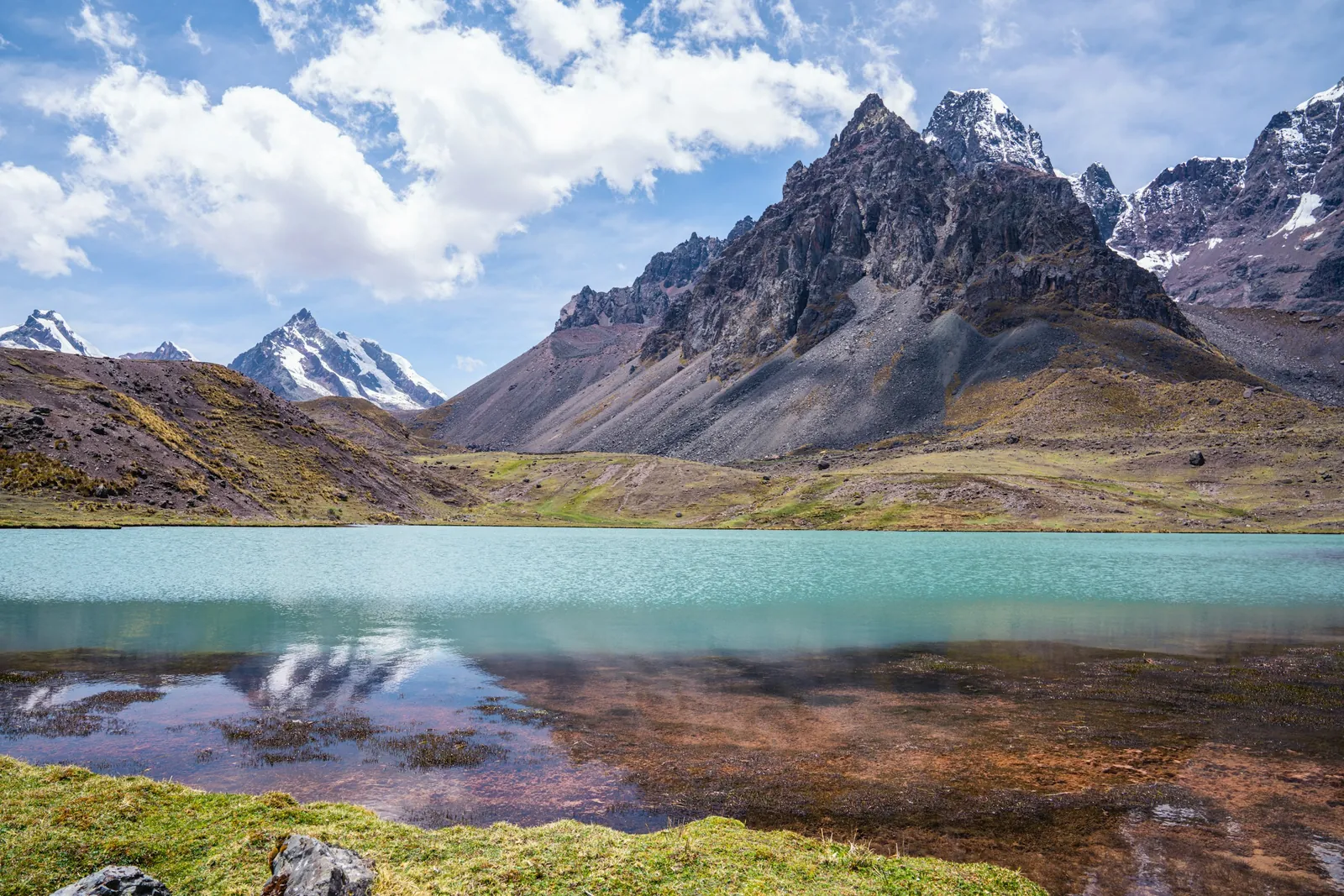
Spellings change from map to map and from operator to operator. You may see Alqa Qocha, Q'omer Qocha or Otorongo Macho and Hembra for the same water. The colours shift too: mineral content, algae and the angle of the light all play a part, and a cloudy morning can turn a turquoise lake grey.
The trail is a loop of moderate gradients rather than a single steep climb. There is no scrambling and no exposure. What you will feel is the thin air on every uphill stretch, which is why the guide sets a slow pace and why the timing leaves room for stops.
How high is the 7 Lagoons hike?
Our tour page describes the lagoons as lying at over 4,500 metres above sea level. Independent figures differ, and we found no official survey for each lake, so here is what is safe to say:
- Pacchanta, where you start and finish, is commonly given as roughly 4,100–4,300 m. Operators do not agree on an exact figure.
- The higher lagoons on the loop sit above 4,500 m, according to our own route data.
- Ausangate itself rises well above 6,000 m. It is the highest peak in the Cusco region, and you see it, you do not climb it.
For comparison, Cusco sits at about 3,400 m. You will be walking more than a kilometre higher than the city. That is a similar band to the Humantay Lagoon hike and the Palcoyo trail, but the 7 Lagoons loop keeps you up there for longer.
How should you acclimatise before the hike?
Do not book this for your first or second day in Cusco. Give your body at least two days at Cusco's height, ideally with time spent lower in the Sacred Valley first. Our guide to altitude sickness in Cusco and how to acclimatise covers the timing in detail, along with the warning signs that mean you should turn back.
A few practical points from the trail itself:
- Walk slower than feels necessary on the first hour. Getting breathless early costs you later.
- Drink water steadily and eat at breakfast, even if the 04:00 start kills your appetite.
- Headache, nausea or unusual tiredness at altitude are signals to stop, rest and tell your guide. Going down is the most reliable remedy.
- If you have heart, lung or blood-pressure conditions, or are pregnant, ask your doctor before booking any hike above 4,000 m.
This is not a hike to push through. The day has no quick exit once you are on the loop, apart from walking back down to Pacchanta.
Are there hot springs at Pacchanta?
Yes. Pacchanta has small thermal pools, fed by natural hot water, a short walk from the village. On our tour there is a 40-minute slot for them after lunch, around 15:00. It is optional: the entrance is not included in the price, and if you skip it you have free time around the village instead.
The pools are simple and rural. Expect concrete basins and changing rooms that are basic at best, not a spa. Bring a swimsuit and a small towel, and keep warm clothes at hand for when you get out, because the air at that height cools quickly in the afternoon. Entry is cheap and paid locally in soles; carry small notes.
What is the best time of year for the 7 lagoons?
The Cusco highlands have a dry season and a wet season. Broadly, May to September is dry, with clear mornings and the best chance of seeing Ausangate without cloud. Nights are very cold then, often below freezing at Pacchanta, so the 04:00 departure is a cold one. Our month-by-month guide to the best time to visit Peru explains the pattern.
April and October are transition months, often a good compromise between weather and crowds. From roughly December to March, rain is frequent, the trail turns muddy, and cloud can hide the mountain all day. The hike still runs, but visibility is a gamble, and the colours of the lagoons depend on light.
Whatever the month, mornings are clearer than afternoons in the Andes. The early start is not just about the long drive.
What our 7 Lagoons tour includes
Our Ausangate 7 Lagoons Trekking is a one-day tour run as a private group. It includes hotel pickup and drop-off in Cusco, transport, an English- and Spanish-speaking guide from the Inka Rainbow team, entrance tickets to the attractions, breakfast in Pacchanta and an Andean lunch after the hike. Tips, personal expenses and the hot springs entrance are not included.
As of November 2026 the tour page lists it at USD 188 per person. Because it is private, the pace is set by your group rather than by a bus of strangers, which matters on a hike where altitude affects everyone differently.
What to pack for the day
- Warm layers: a thermal base, a fleece and a windproof or waterproof jacket. Hat and gloves for the early hours.
- Broken-in hiking boots with grip. The path can be wet or icy in the morning.
- Sun protection: hat, sunglasses and high-factor sunscreen. UV is strong at this altitude even when it is cold.
- Water, snacks and any personal medication.
- Swimsuit and small towel if you want the hot springs.
- Some cash in soles for small purchases and the hot springs entrance.
Is the 7 Lagoons hike right for you?
It suits travellers who are already acclimatised, walk regularly, and want a high-Andean landscape with glaciers, herders and lakes rather than a single viewpoint. It is less suitable if your time in Cusco is short, if you struggle with long drives on mountain roads, or if you have a medical condition affected by altitude.
If you are choosing between several day hikes, the Palcoyo vs Vinicunca comparison and the Humantay guide cover the other main options. For a combined plan with several hikes spaced out to help acclimatisation, tell us your dates and we will suggest an order that works.
Frequently asked questions
How long is the 7 Lagoons day trip?
On our itinerary, about 14 hours door to door: pickup at 04:00–04:30, return to Cusco around 18:30. Of that, about five and a half hours is walking.
Is the 7 Lagoons hike harder than Rainbow Mountain?
The gradients are gentler than the final climb at Vinicunca, but the loop is longer and you spend more time above 4,000 m. Our Rainbow Mountain guide explains that hike if you want to compare.
Can I swim in the lagoons?
The water is glacial and very cold, and several of the lakes are considered sacred by local communities. Swimming is not part of the tour. The hot springs in Pacchanta are the place to get in the water.
Is there an entrance fee?
Local communities charge access fees on this route. On our tour, entrance tickets to the attractions are included; only the hot springs are paid separately.
Keep reading
Photography: Ausangate Peru / UnsplashJacob Vizek / UnsplashShai Pal / UnsplashRodrigo Carrillo / UnsplashJean Woloszczyk / UnsplashStefanos Nikologianis / Wikimedia Commons, CC BY 2.0Mauro Lima / UnsplashMauro Lima / UnsplashMayur Arvind / UnsplashMax Corahua P. / UnsplashFrans Ruiter / UnsplashPaul Lequay / UnsplashAusangate Peru / UnsplashDiego Marín / UnsplashPetr Meissner / Wikimedia Commons, CC BY 2.0Maritza S. / Unsplash