Journal
Antigua Guatemala in 2 Days: What to See, Day by Day
Antigua Guatemala in 2 days: a day-by-day plan for the colonial centre, the Pacaya volcano option, Holy Week crowds and safety advice for visitors.
Two days is enough to see Antigua Guatemala properly, as long as you accept that you will not see all of it. The old centre is compact and walkable, laid out on a grid, and most of the ruins and churches that matter sit within a few blocks of the Parque Central. The trade-off is the volcano: if you want to hike one, it takes most of a day, and your two days become one day in town plus one on the mountain.
This is how we would split Antigua Guatemala in 2 days, with the decisions you need to make before you arrive.
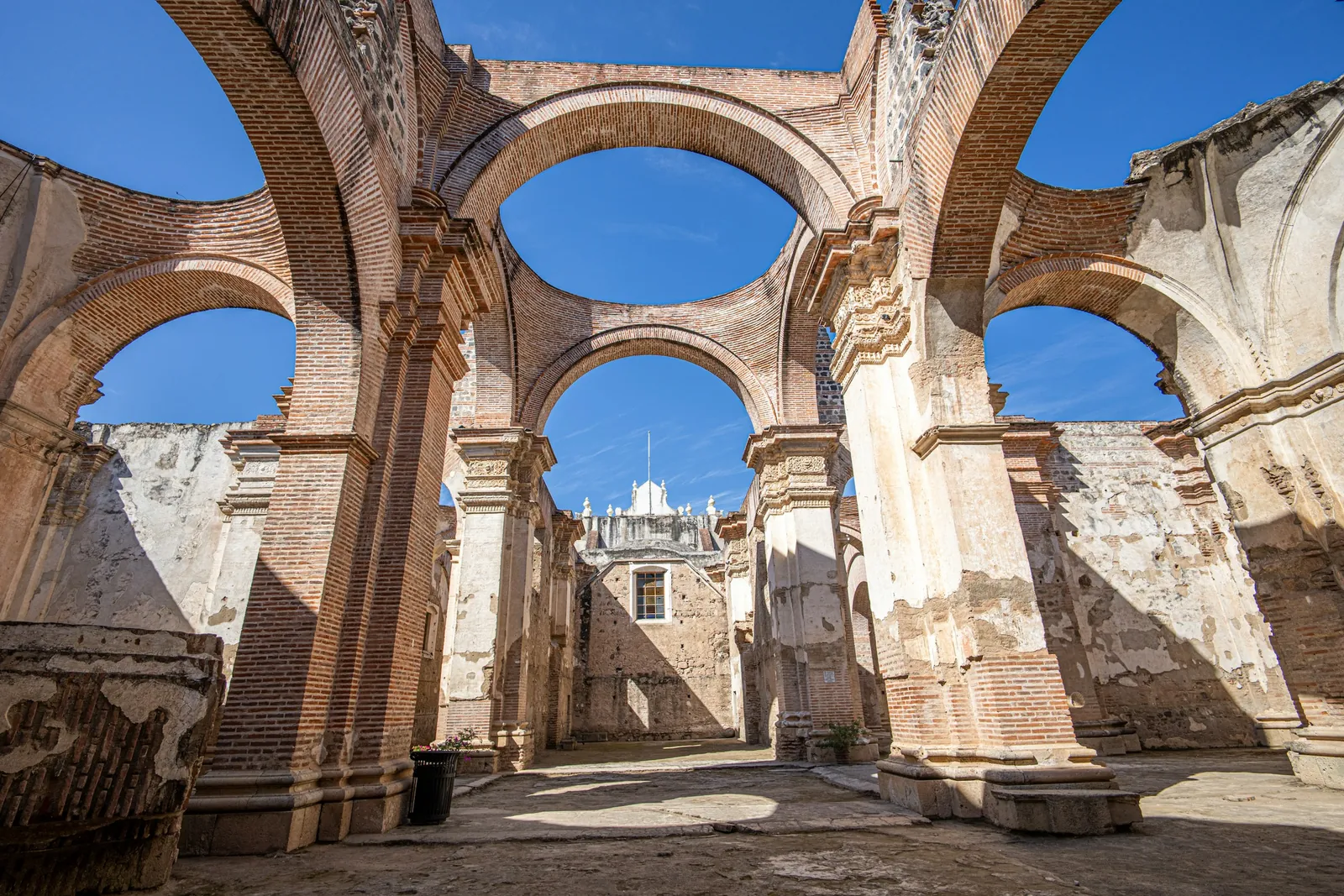
Antigua was the colonial capital of the Kingdom of Guatemala until the 1773 earthquakes, after which Spanish officials moved the capital to the site of today's Guatemala City. The old city was never fully rebuilt, which is why so many churches and convents still stand as roofless shells next to restored houses.
Day 1: the colonial centre on foot
Start early. The streets are quiet before tour groups arrive, and the light on the volcanoes is usually clearer in the morning than in the afternoon, when cloud tends to build.
Morning: Parque Central, the cathedral and the Palace of the Captains General
The Parque Central is the reference point for everything else. On its east side is the Cathedral of San José; behind the restored front are the ruins of the older cathedral. On the south side is the Palace of the Captains General, the seat of colonial government. Give the square an hour without hurrying: sit on a bench, watch the shoe shiners and the vendors, and get your bearings.
Late morning: Santa Catalina Arch and La Merced
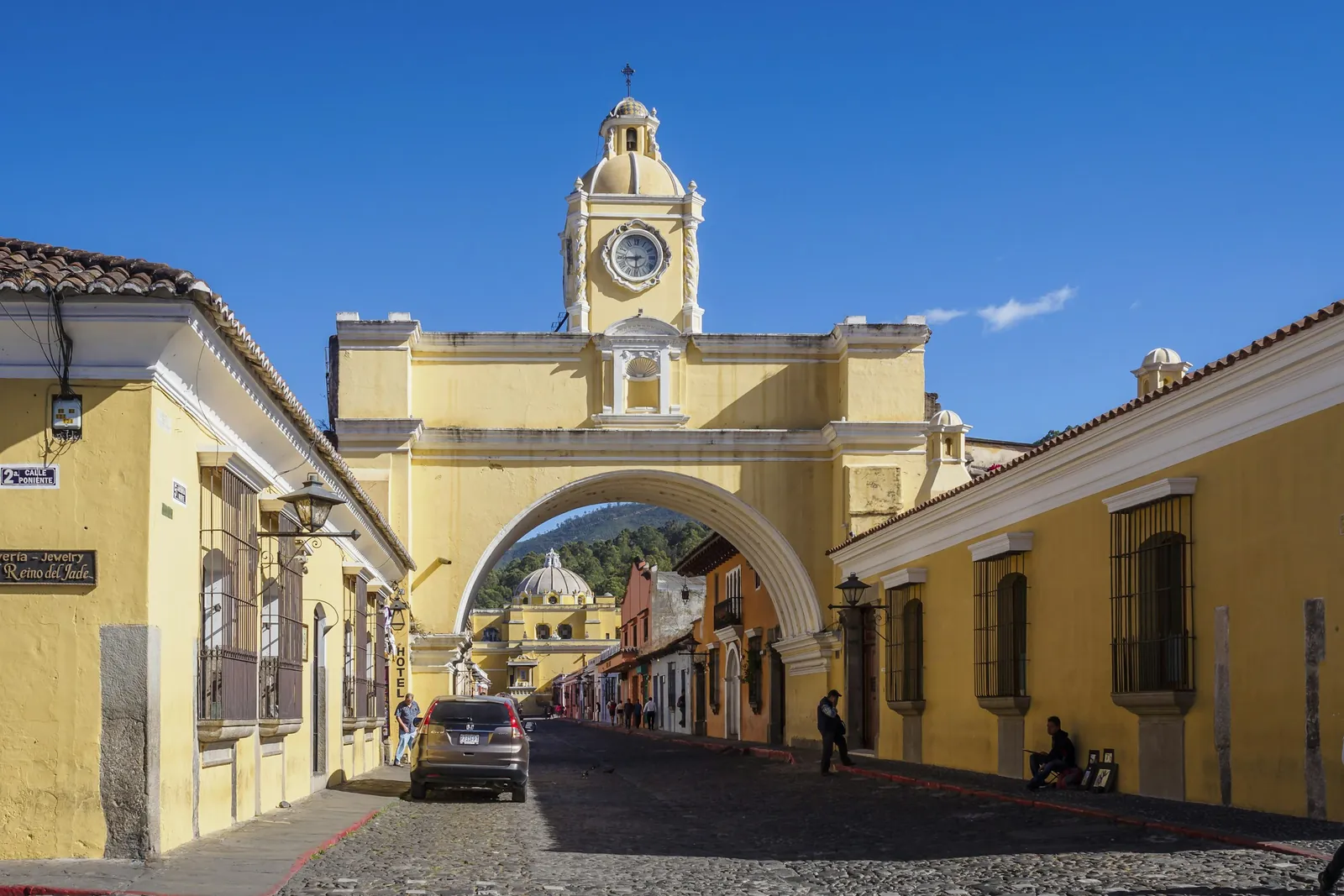
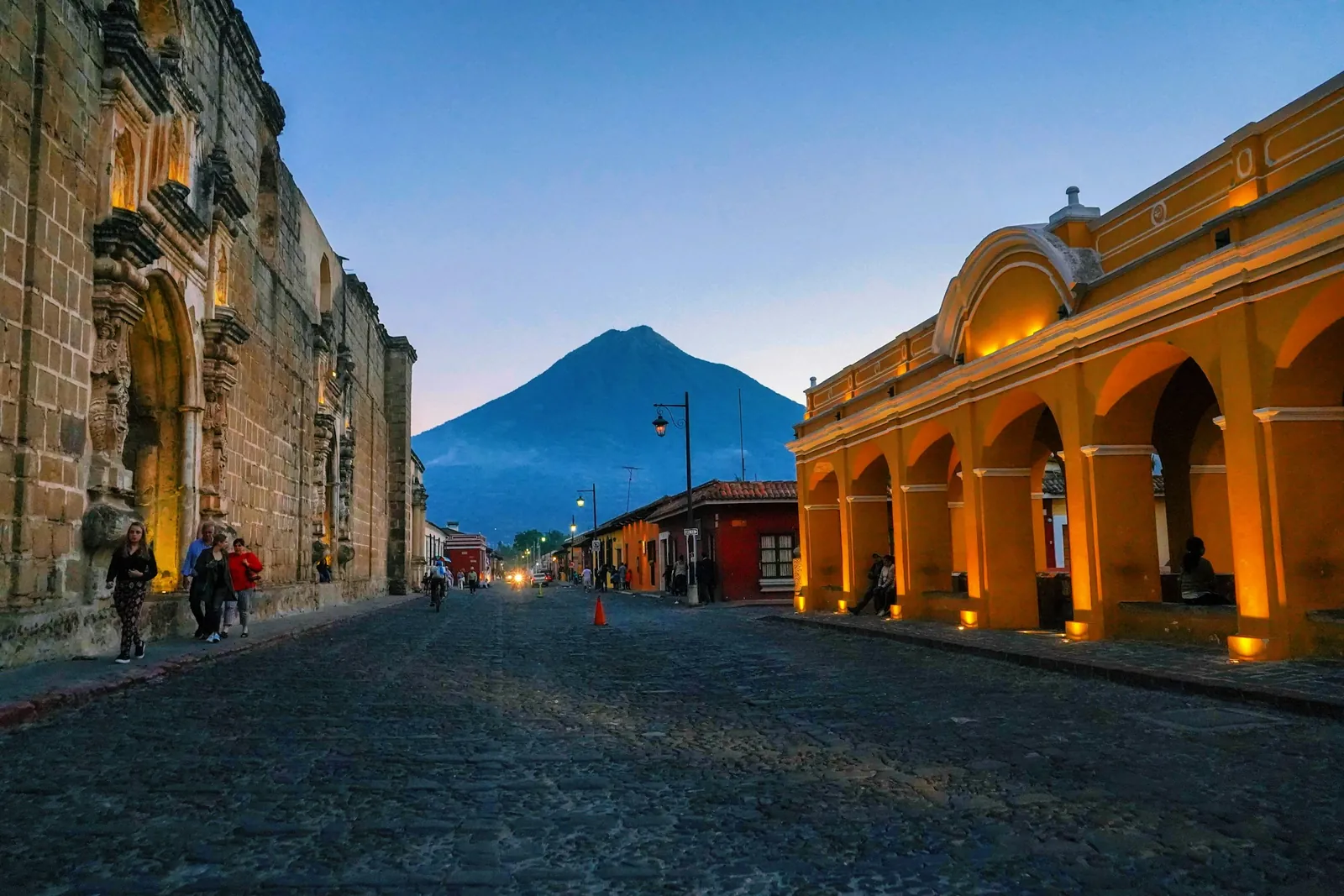
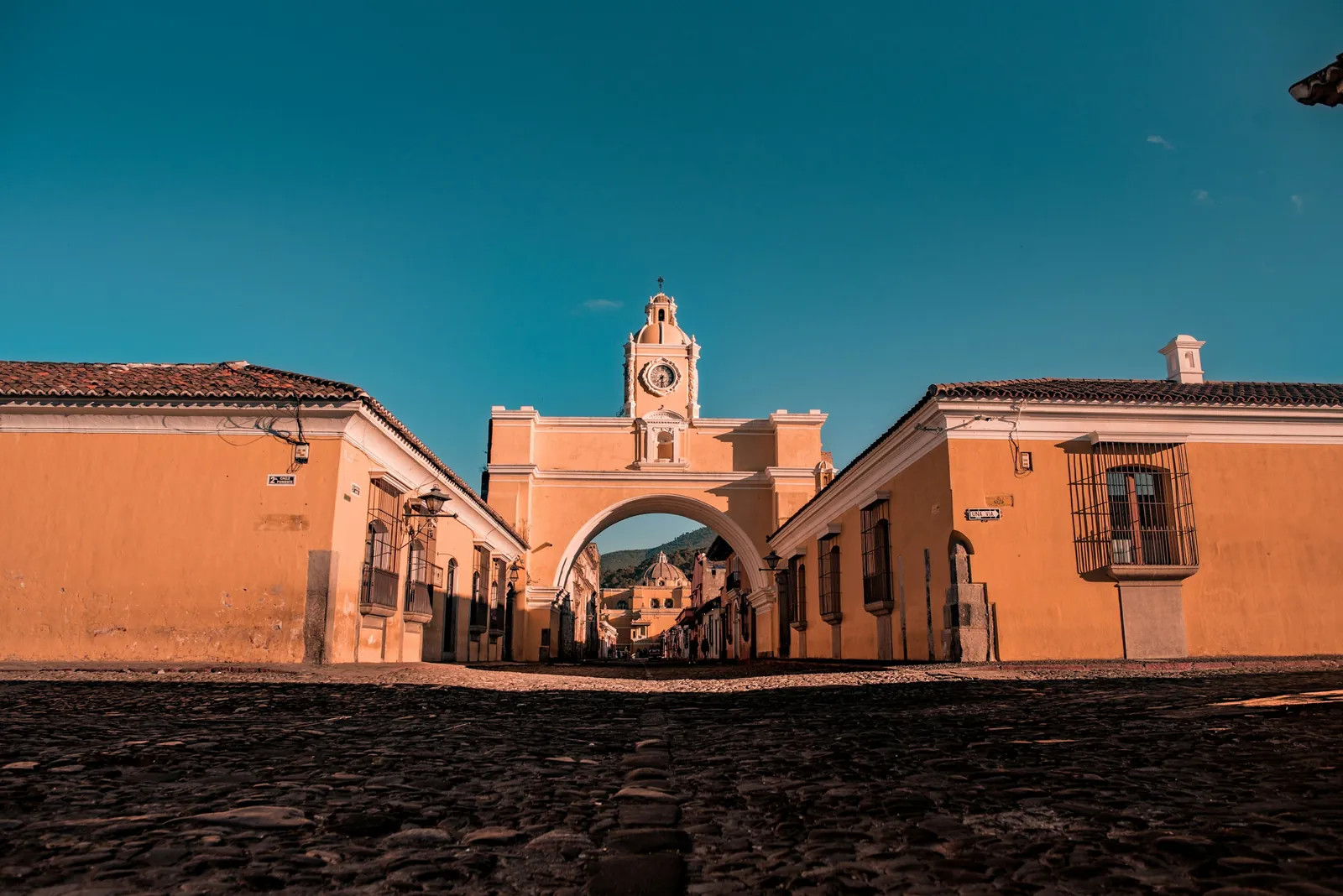
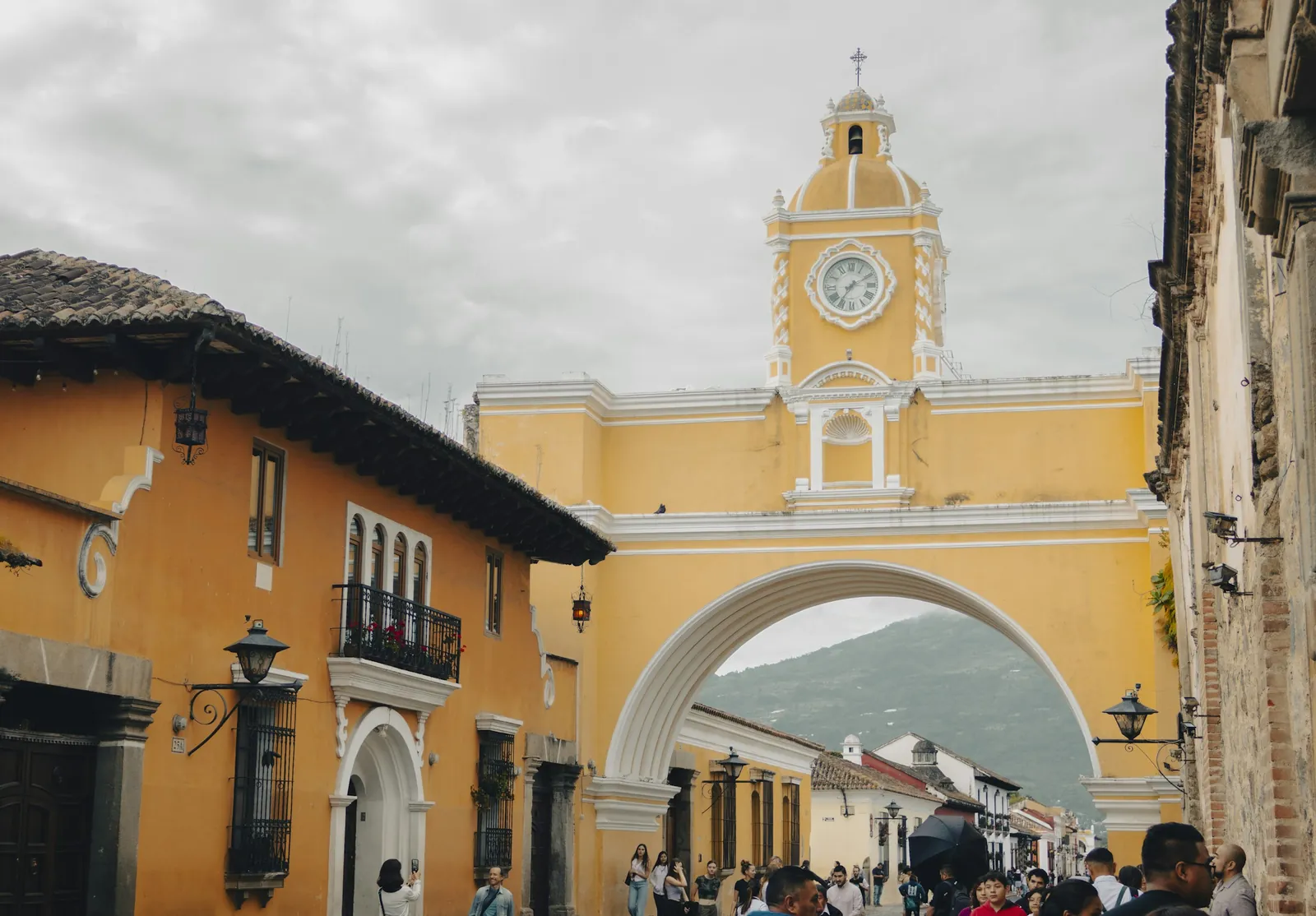
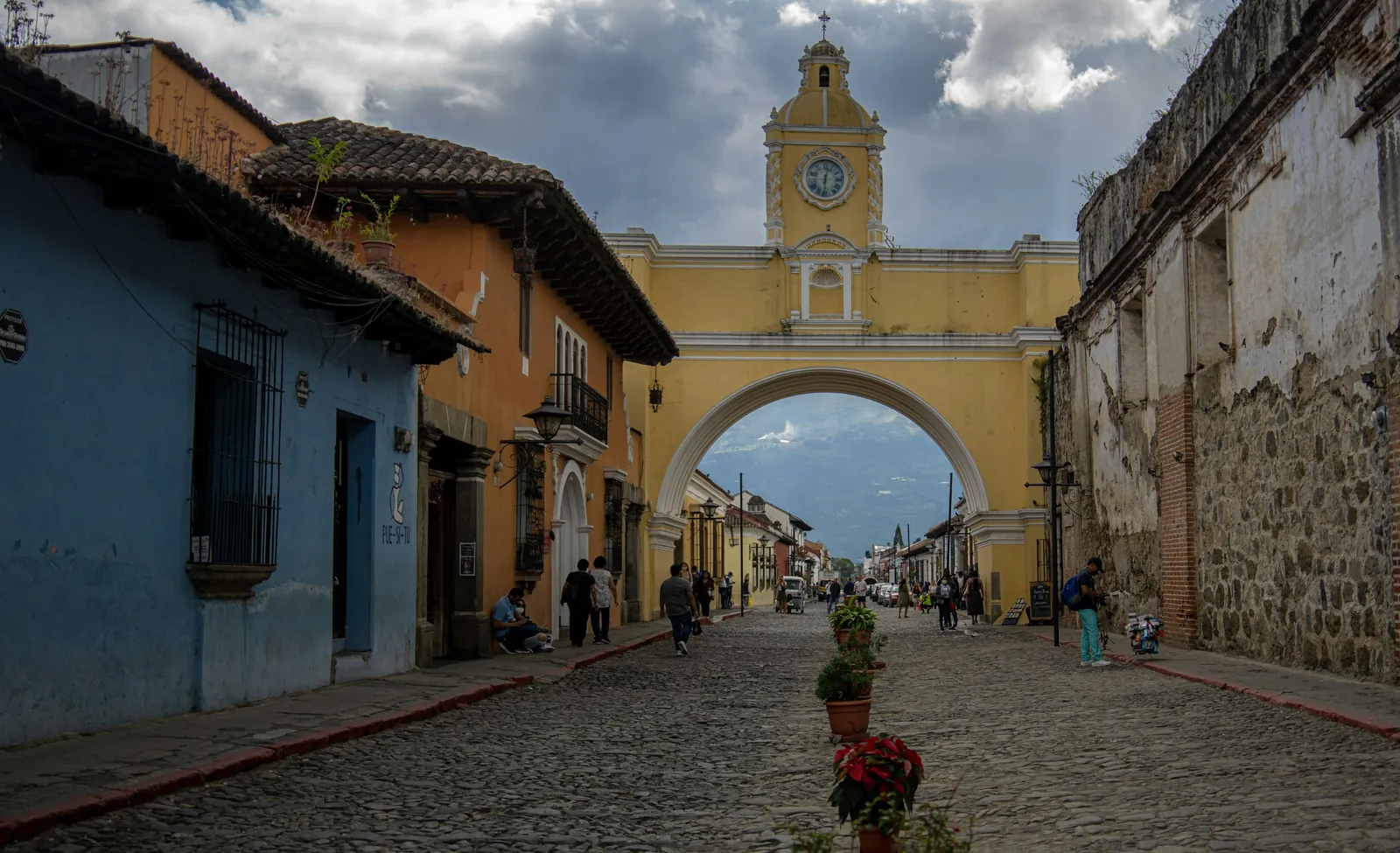
Walk north along 5a Avenida Norte to the Santa Catalina Arch, the yellow arch that appears in almost every photo of Antigua, with Volcán de Agua behind it on a clear day. Keep going a few blocks and you reach La Merced, a church with an ornate yellow and white façade. These two take little time, which leaves room for lunch.
Afternoon: the convent ruins
Spend the afternoon inside one or two of the ruined convents. Las Capuchinas is the one we would choose if you only see one, because its cloister and unusual circular cell block show how a convent worked. Entry fees and opening hours change, so check on the day rather than relying on a figure you read online.
Do not try to see every ruin. Two, seen slowly, beat six seen at a jog.
Evening: a viewpoint and dinner
Cerro de la Cruz, on the northern edge of town, gives the classic view over the grid of rooftops towards Volcán de Agua. Go in daylight and in company, and ask your hotel or guide about the current situation on the path before you set off. Then eat in the centre. Antigua has a wide choice of restaurants within walking distance of the square.
Day 2: choose between the volcano and a slower town day
This is the decision that shapes the trip. Option A puts a volcano in your second day. Option B keeps you in and around Antigua.
Option A: Pacaya Volcano
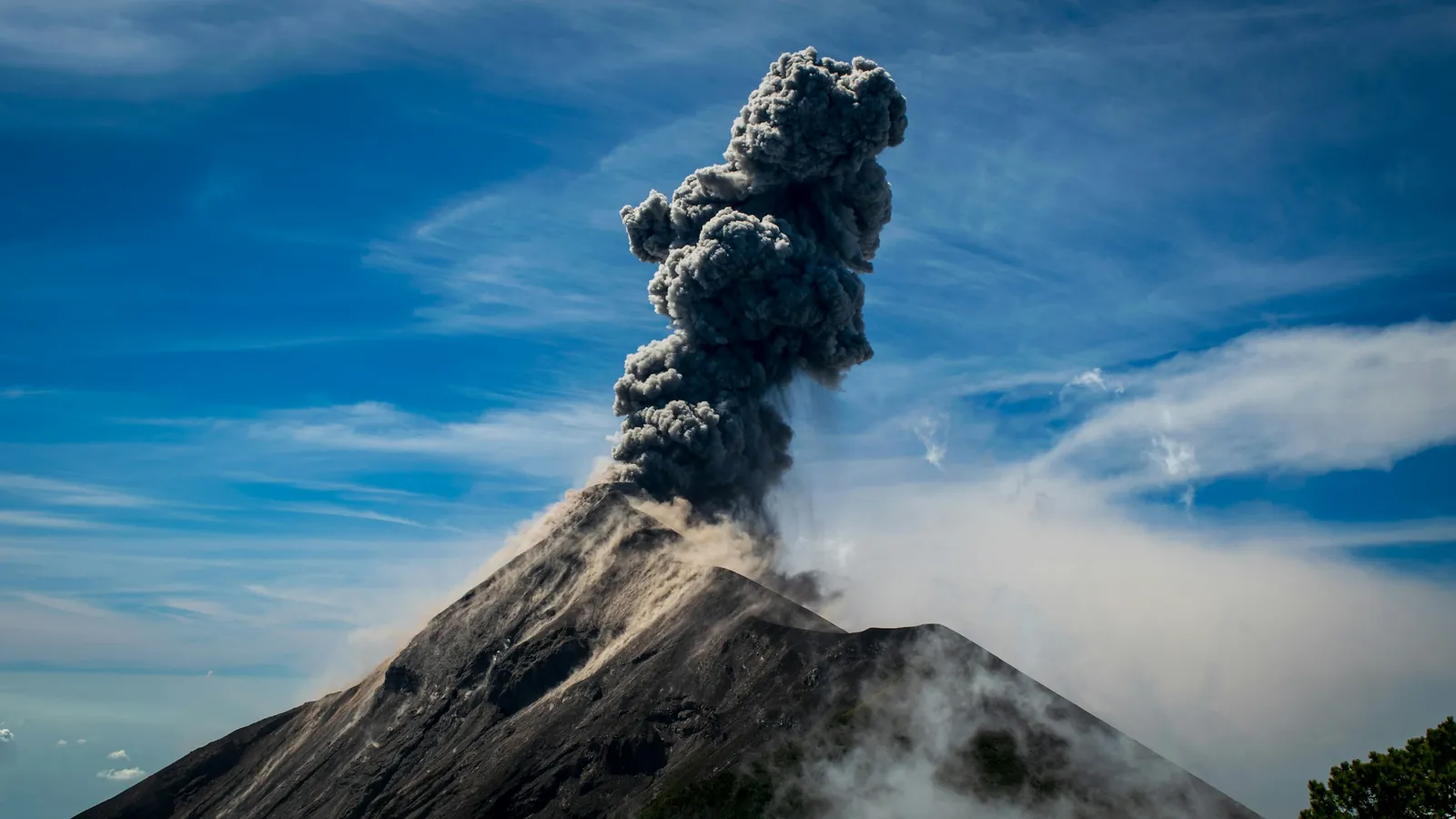
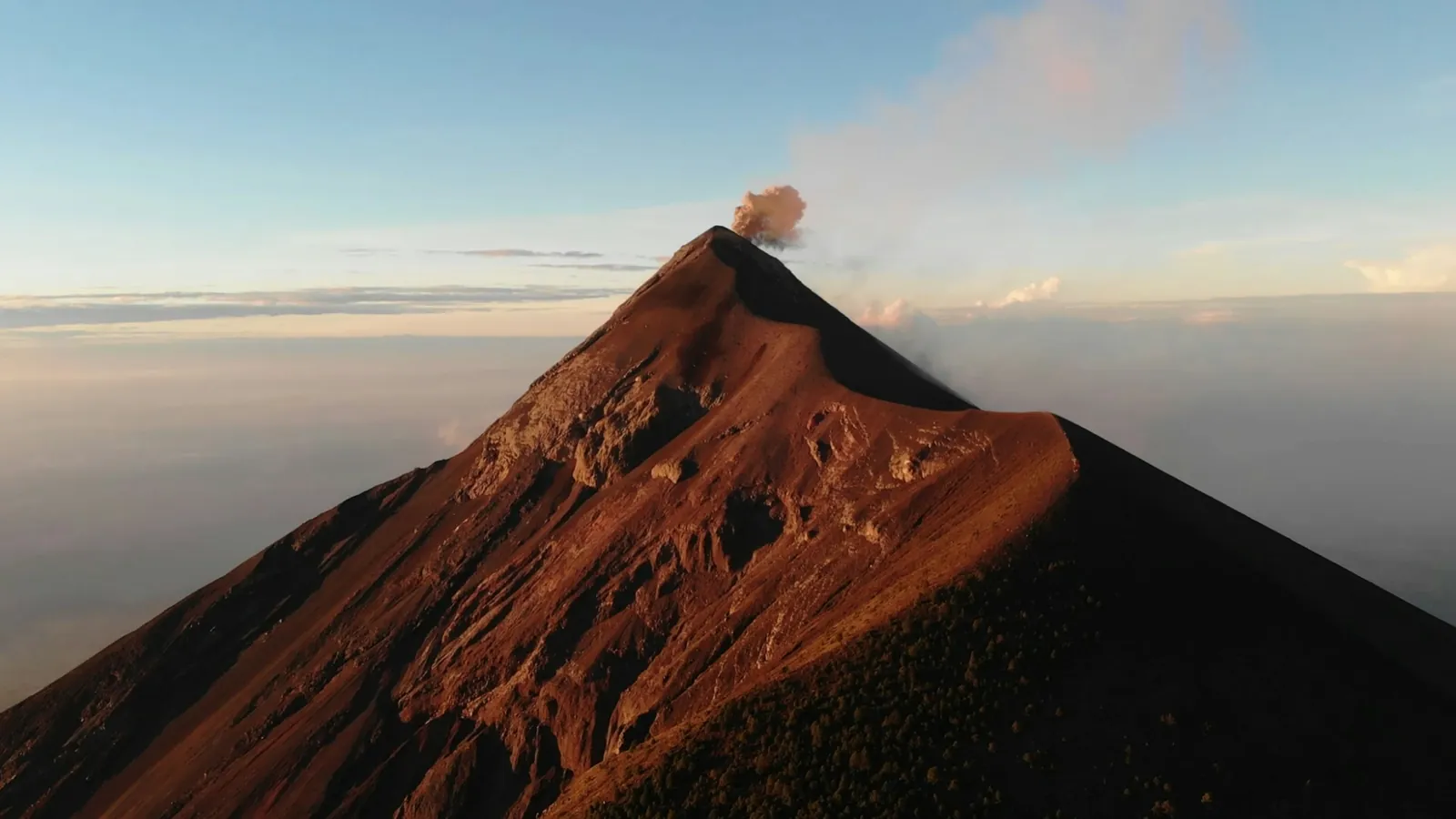
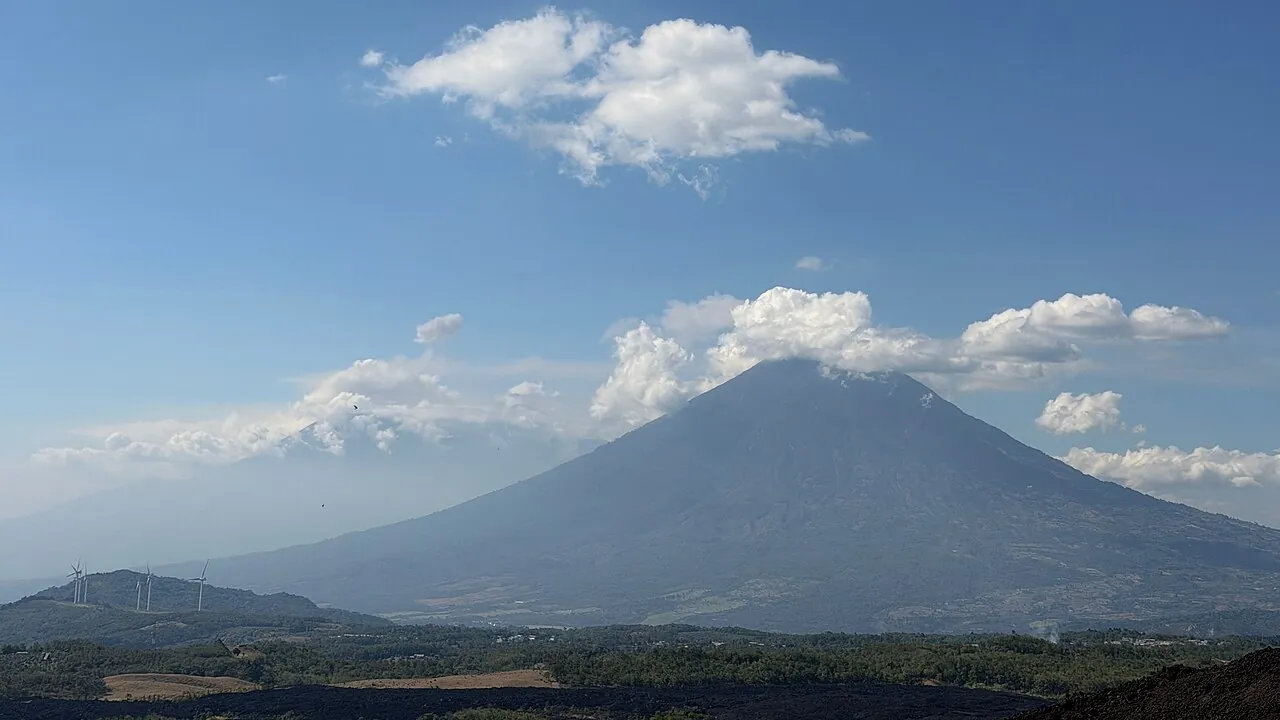
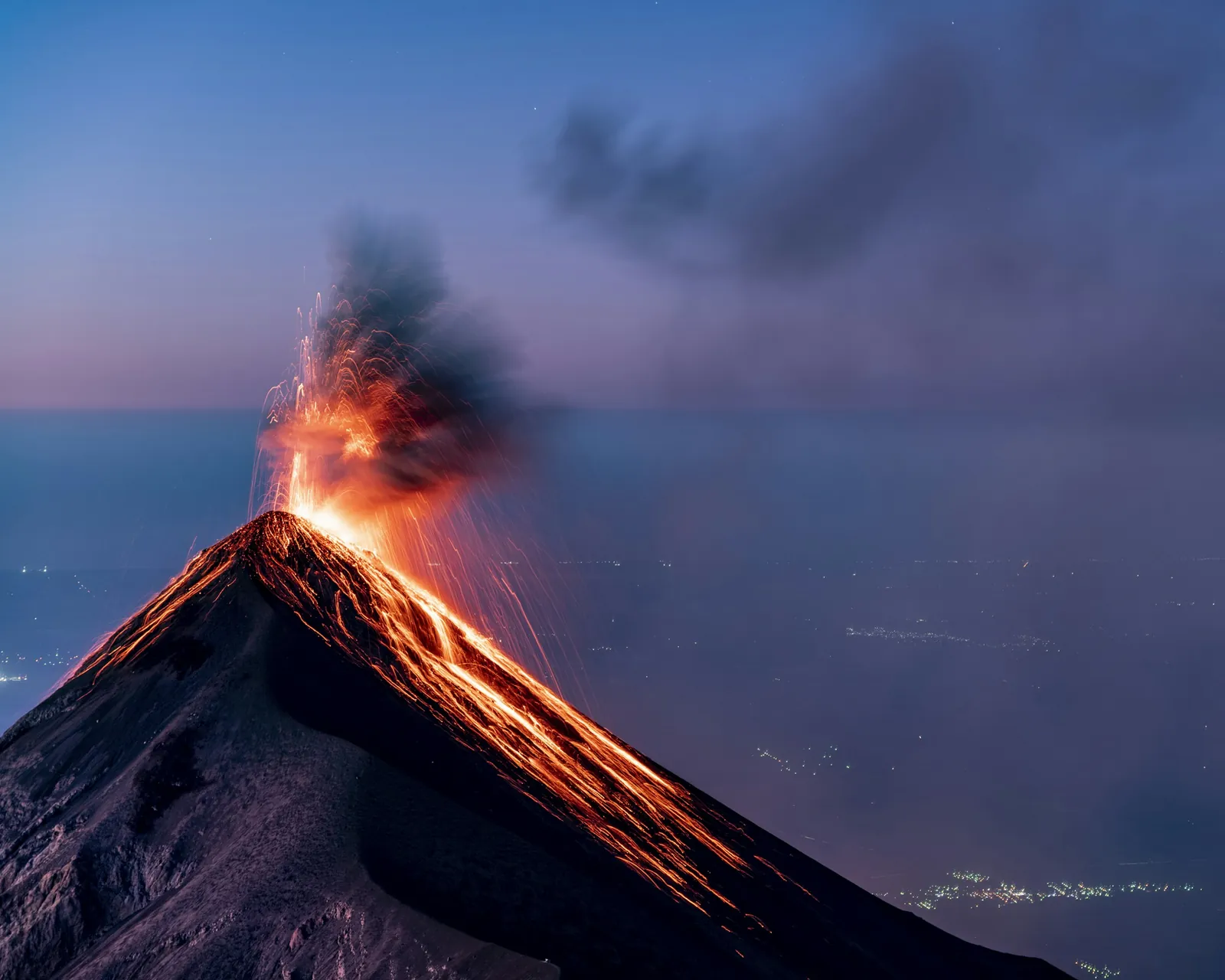
Pacaya is the most common volcano hike from Antigua for travellers with limited time. In our Guatemala For Everyone 7-day tour, the Pacaya day includes a transfer from the hotel, a journey of about an hour and a half to the base of the volcano, a gradual ascent and a descent of about an hour, then the return to your hotel. That is a half to most of a day, so plan a quiet afternoon or evening afterwards.
What about Acatenango?
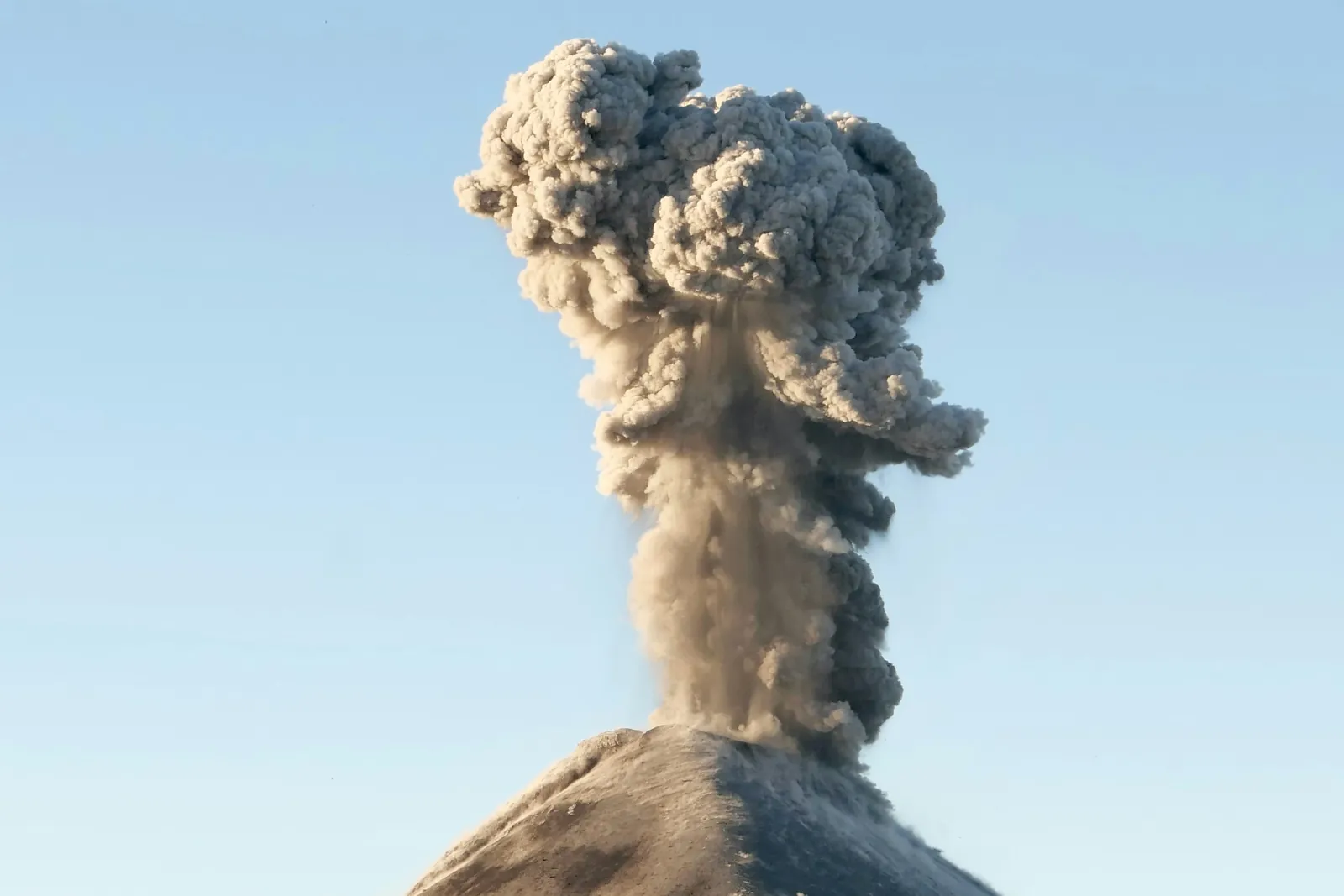
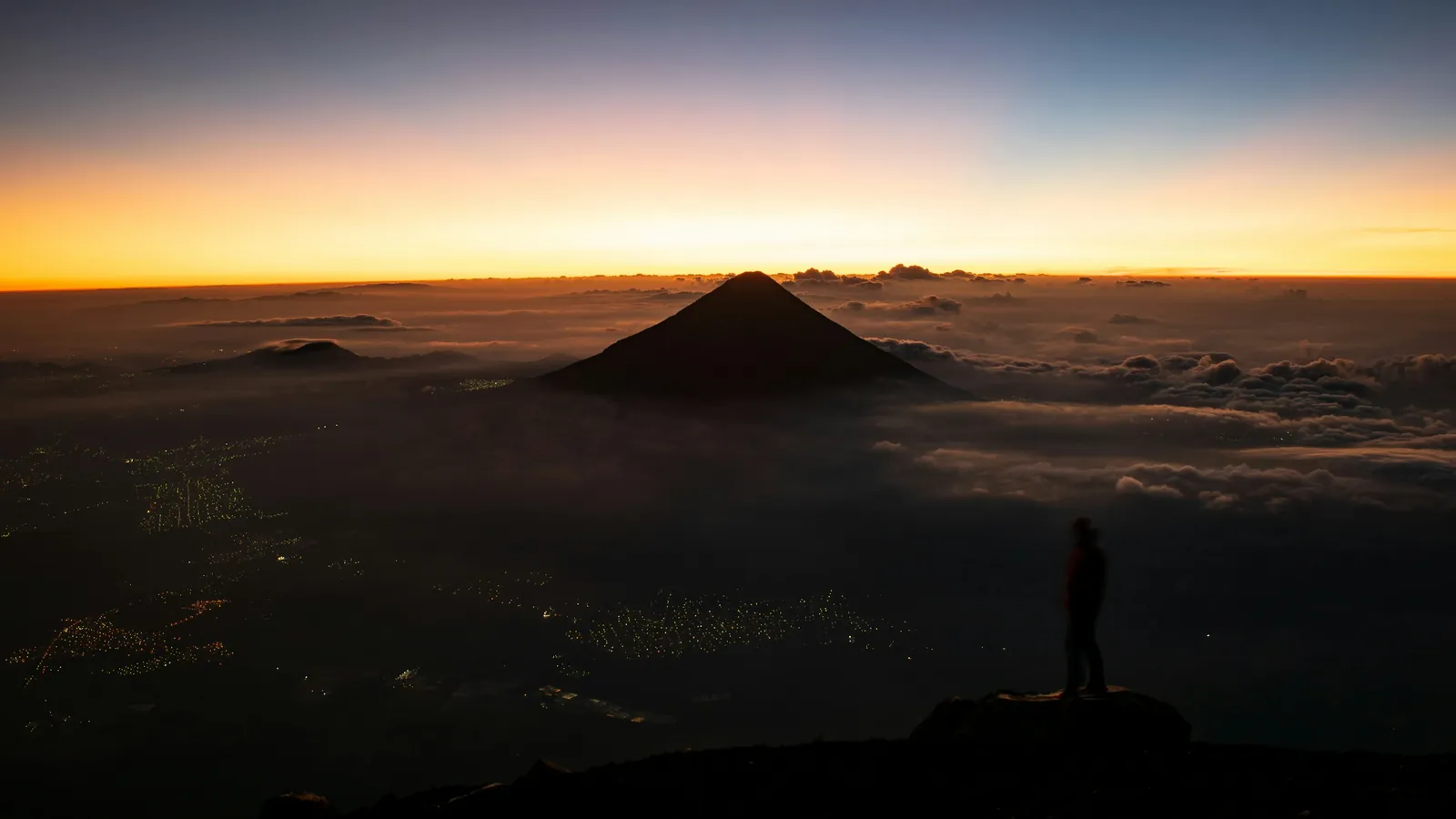
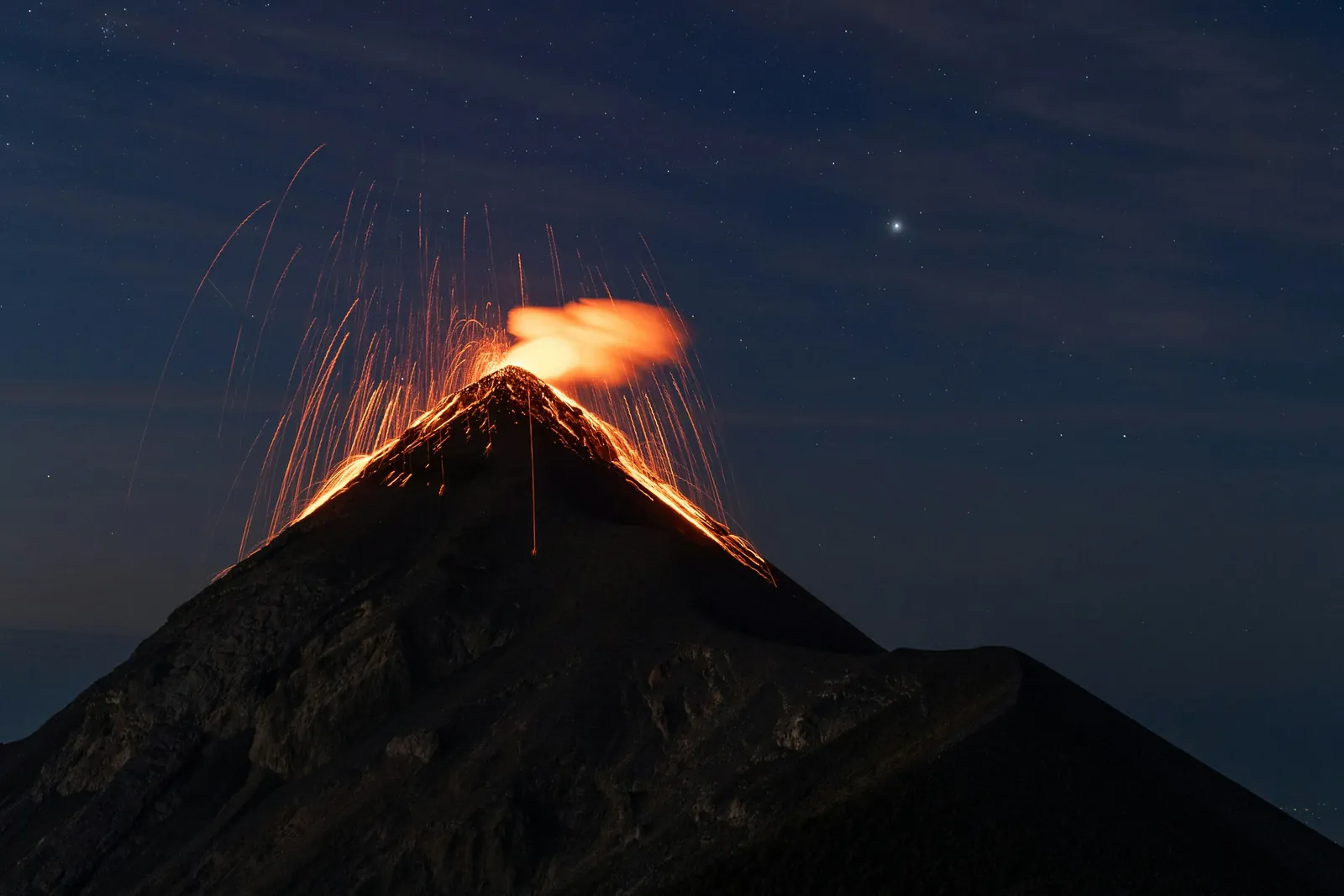
Acatenango is a different commitment. It is normally done as an overnight hike with a camp high on the volcano, and the reward is the view of neighbouring Fuego. It is not a two-day-trip activity: it uses up both days and leaves you tired for whatever comes next. If Acatenango is the reason you are going to Guatemala, give Antigua extra days around it.
Volcano safety: read this before you book
The UK Foreign Office (FCDO) travel advice for Guatemala is blunt about volcanoes. It says that some volcanoes are at high altitude with freezing temperatures at night, that local tour organisers tend to underestimate the risks and deaths have occurred, and that there is no mountain rescue service. It also tells travellers to follow local authorities' guidance and check the Guatemalan meteorological office and CONRED, the disaster agency, for access and restrictions.
- Hike only with an organised group and a guide, never alone.
- Check the volcano's current status and any access restrictions the day before, and accept a cancellation if the authorities close the area.
- For an overnight hike such as Acatenango, carry clothing for temperatures below freezing, even if Antigua felt warm.
- If you are coming from sea level, an overnight climb on your first day or two is a bad idea.
Option B: a slower day in town
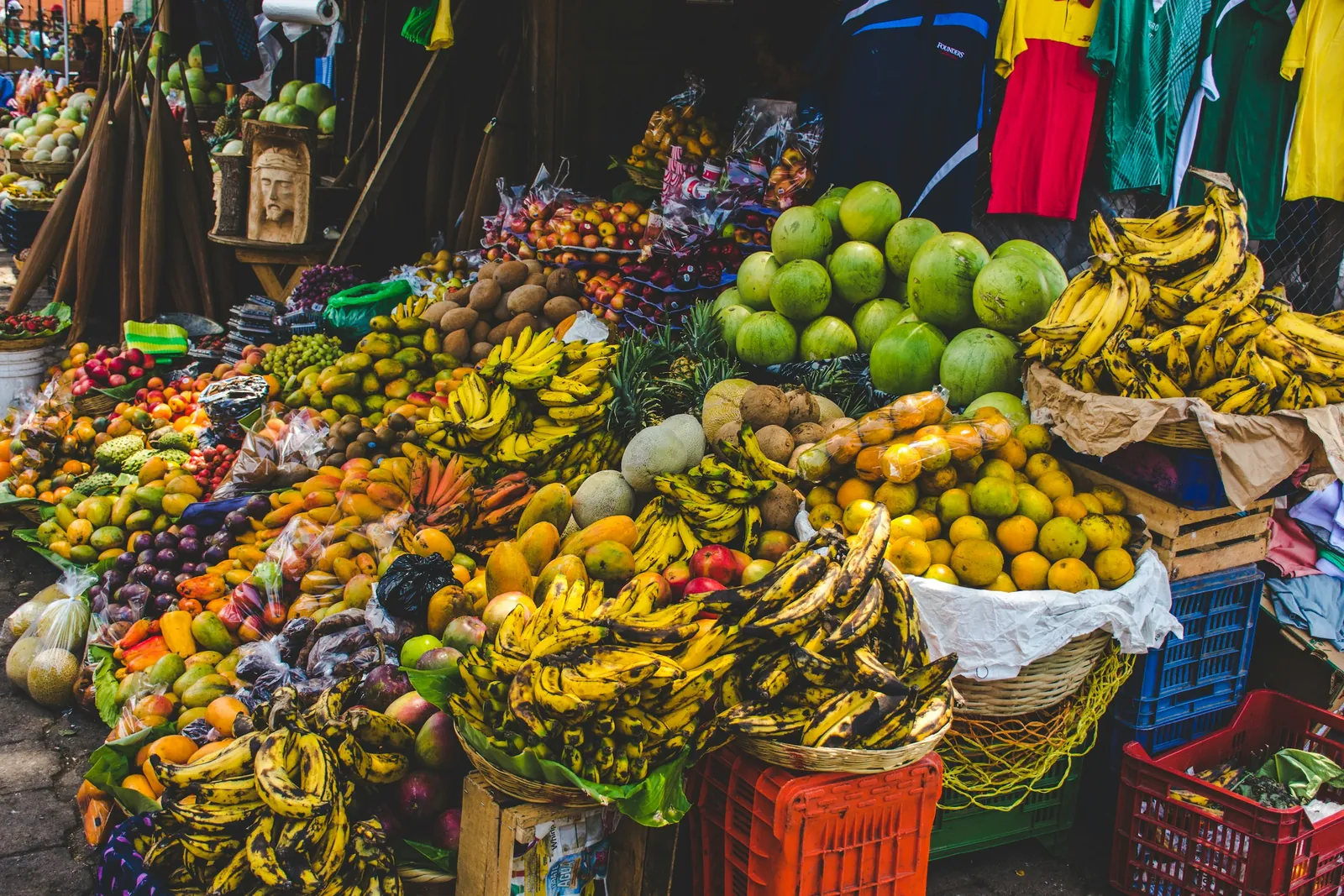
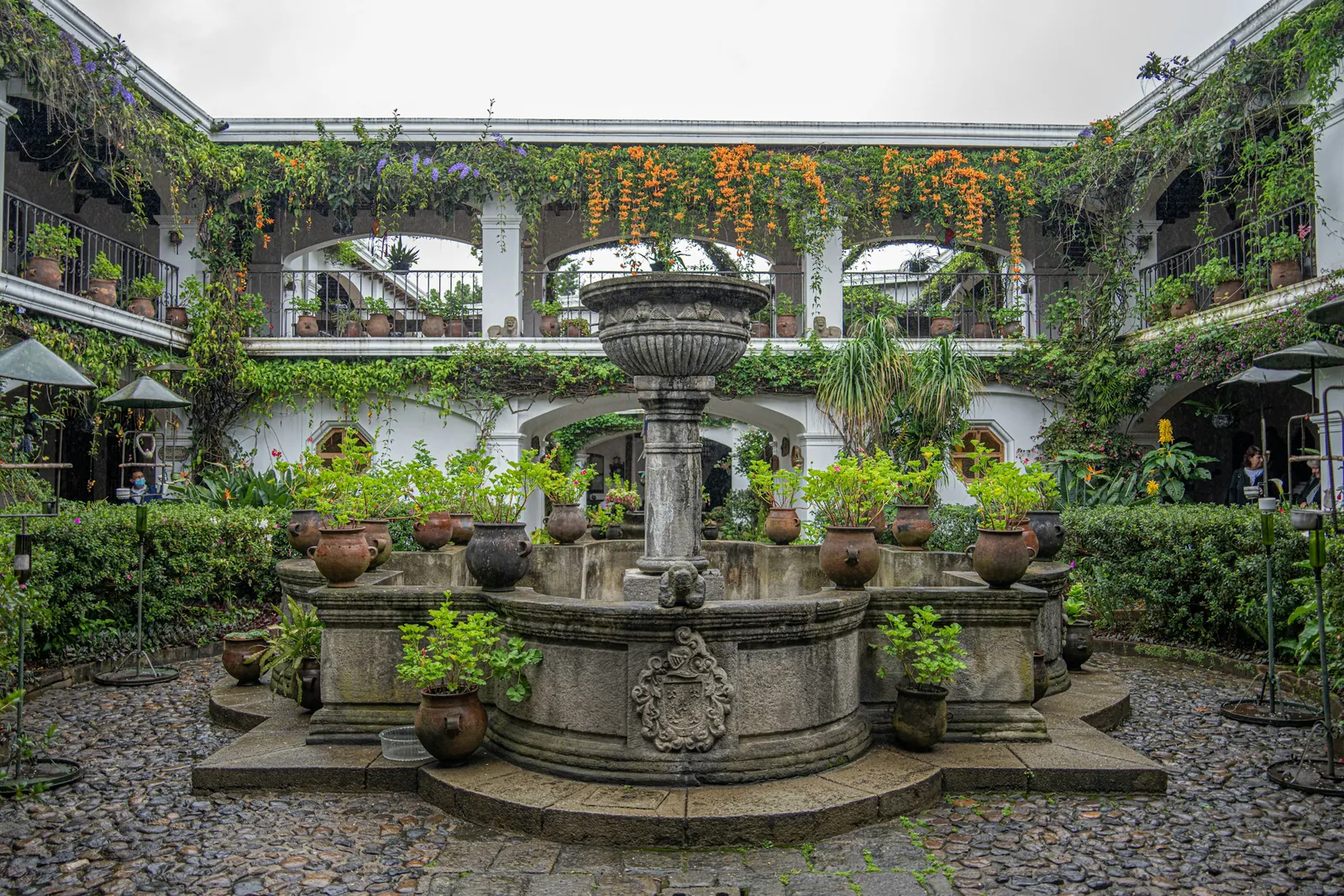
If you skip the volcano, use the morning for what you did not see on day one: another convent, a church you passed, or the market area on the west side of town near the bus terminal. In the afternoon, sit in a courtyard café, or go to a chocolate or textile workshop.
This option suits travellers who arrive tired, travel with young children, or are going on to Lake Atitlán and would rather keep their energy for the lake.
Antigua Guatemala in 2 days: is it enough?
For the colonial centre, yes. For the centre plus a volcano, it is tight but it works with Pacaya. For Acatenango, no.
Most travellers combine Antigua with Lake Atitlán and Guatemala City. Our Basic Guatemala 6-day tour does exactly that. It is a private tour that visits Antigua with a guide on day 3, around the Central Plaza, the Cathedral of San José and the Palace of the Captains General, after the morning at Hobbitenango, then spends day 4 at Lake Atitlán and leaves day 5 free. That free day is where a second Antigua day fits. If you are deciding where to sleep at the lake, see our guide to which Lake Atitlán village to stay in, and for a longer plan, the 6 to 7 day Guatemala itinerary.
Holy Week in Antigua: a different city
Semana Santa, the week before Easter, is Antigua's most famous time of year. Processions carry large floats through the streets, and residents make carpets of coloured sawdust, flowers and fruit on the route for the processions to walk over. If you want to see it, it is worth the planning. If you don't, it is worth avoiding.
The consequences are practical. Hotels fill early and prices rise, streets are closed or crowded during processions, and getting around the centre slows down. Lent processions on weekends also draw crowds before Holy Week itself. Easter dates move every year, so check the calendar before you fix your dates, and book early if you are going then.
For the weather side of the question, see our guide to the best time to visit Guatemala.
How safe is Antigua for visitors?
Antigua is a heavily visited town, and most visits pass without problems. The FCDO's detailed crime warnings focus on parts of Guatemala City and several other departments, not on Antigua. It does warn that there have been armed attacks or robberies on most tourist routes, including those between Guatemala City, Antigua and Lake Atitlán, and that violent attacks can happen anywhere and at any time of day.
- Use pre-arranged transfers between the airport, Antigua and the lake rather than arranging them on the street.
- Keep your phone and camera out of sight when you are not using them, and carry only the cash you need.
- After dark, stay in the busier central streets and take a taxi arranged by your hotel or restaurant if you are going further.
- Go to viewpoints and walks on the edge of town in daylight and in company.
On our Guatemala tours, airport and between-city transfers are private, which deals with the transport part. For more practical questions, read our Guatemala FAQs.
Practical details for a short stay
- Altitude: at over 1,500 metres, Antigua is not high enough to cause problems for most people, but evenings are cool. Bring a jumper.
- Streets: the cobbles are uneven. Wear proper shoes, not sandals, and take care with luggage on wheels.
- Getting there: Antigua is a road transfer from La Aurora International Airport in Guatemala City. Journey time depends heavily on traffic, so do not schedule anything tight on arrival day.
- Pace: two full days means two nights. Arriving late on the night before day one gives you two full days.
Frequently asked questions
Can I do Antigua as a day trip from Guatemala City?
You can, but you lose the early morning and the evening, which are the best times in town. If your schedule allows, sleep in Antigua.
Is Pacaya or Acatenango better with only two days?
Pacaya. It fits in part of a day. Acatenango is normally an overnight hike and needs both days on its own.
Do I need a guide in Antigua?
Not to walk around the centre. A guide adds the history behind the ruins, and a guide is what the FCDO advice points to for volcano hikes and more rural areas.
Should I avoid Holy Week?
Only if you dislike crowds or want quiet streets. If you want the processions, go, but book well ahead.
If you want help fitting two days in Antigua into a longer route, write to us with your dates and how you like to travel, or message us on WhatsApp at +51 906 974 952.
Keep reading
Photography: Alexander Schimmeck / Unsplashmana5280 / UnsplashBen Turnbull / UnsplashJeison Higuita / UnsplashGuillermo de Manuel / UnsplashClovis Castaneda / UnsplashHusha Bilimale / UnsplashManuel González Asturias, SJ / UnsplashBen Turnbull / UnsplashKevin Serech / Unsplashlamblukas / Wikimedia Commons, CC BY 4.0mana5280 / UnsplashArturo Rivera / UnsplashAlain Bonnardeaux / Unsplashmana5280 / UnsplashPaweł Wielądek / Unsplash