Journal
Where to stay in Lake Atitlán: which village suits you
Where to stay in Lake Atitlán: Panajachel, San Marcos, San Pedro, San Juan, Santa Cruz or Jaibalito, compared by access, noise, wind and who each suits.
Where to stay in Lake Atitlán depends on one question first: do you want to be able to leave by road, or are you happy to live by the boat timetable? Panajachel and Santiago Atitlán have roads and the most services. Santa Cruz La Laguna and Jaibalito are reached mainly by boat. San Marcos, San Pedro and San Juan sit in between, on the western shore, each with a very different mood.
Below is how the villages actually differ, who each one suits, and the practical things that decide a stay: the afternoon wind, the noise, getting your luggage to the door. We have left out hotel names and prices on purpose. They change, and a recommendation we have not checked this season is worth nothing to you.
The short answer: which Lake Atitlán village suits you
- Panajachel: first-timers, short stays, anyone who wants road access, ATMs and choice. Busy and not the prettiest corner.
- Santa Cruz La Laguna and Jaibalito: quiet, views, a hotel you do not leave much. Reached mainly by boat, so luggage and evenings take planning.
- San Marcos La Laguna: yoga, meditation and wellness courses. Calm streets, a strong expat scene.
- San Pedro La Laguna: younger, livelier, cheaper eating. Noise at night is part of the deal.
- San Juan La Laguna: weaving and natural-dye cooperatives, a quieter base next to San Pedro.
- Santiago Atitlán: the largest Tz'utujil town on the lake, a working market town. Better for a visit with a guide than for a resort-style stay.
Before choosing: boat or road, and the afternoon wind
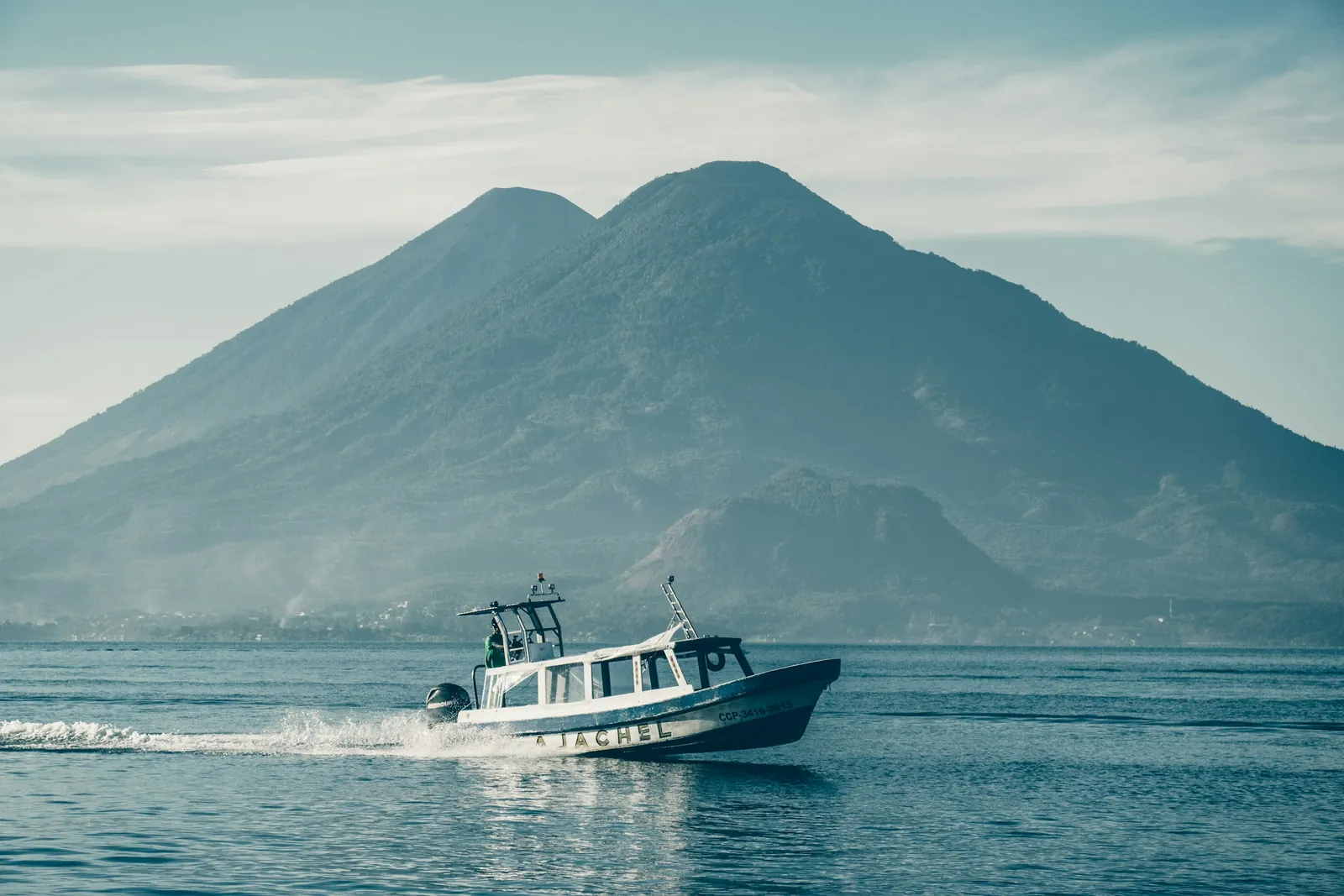
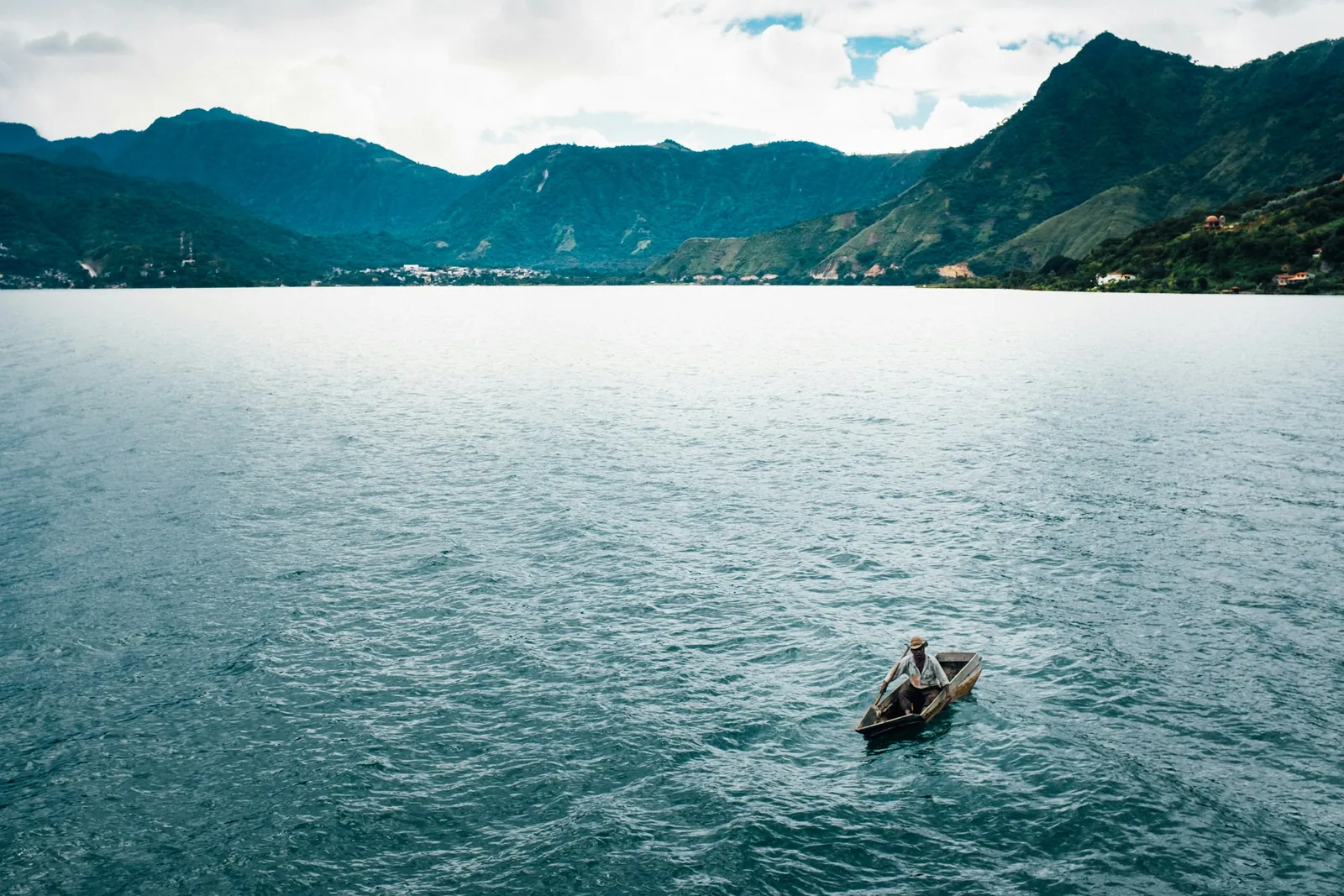
Most villages are linked by public lanchas, small motorboats that leave from each village dock. Santa Cruz La Laguna and Jaibalito are reached mainly by boat or on foot, and most hotels there sit on the hillside above the dock. That is the charm, and it is also the catch. Arrive late, with three suitcases, in rain, and you will feel it.
The second thing locals plan around is the Xocomil, the wind that picks up over the lake, usually after midday. Guatemala's Prensa Libre, reporting on a 2018 boat accident, quoted a climate specialist explaining that it comes from pressure differences between the lake and the surrounding mountains, and that these episodes generally happen after noon. The crossing that took fifteen calm minutes in the morning can be rough and wet in the afternoon.
The practical rule: cross in the morning. Book the boat transfer to your hotel for before lunch, keep valuables and electronics in a dry bag, and do not plan a tight connection that depends on a late-afternoon boat. Our own Guatemala itineraries are written with this in mind: if weather conditions prevent crossing, the day switches to Santa Catarina Palopó or San Antonio Palopó, which are reachable by road.
Panajachel: the practical base
Panajachel is where the road from Antigua and Guatemala City comes down to the lake, and where most boats start. It has the most choice of hotels and restaurants, banks, and the busiest dock. The main street, Calle Santander, is lined with stalls and is not quiet.
Stay here if you have one or two nights, travel with children or older relatives who should not be climbing in and out of boats with luggage, or need to leave early for the airport. It is also the easiest base for day trips along the north-east shore by road. Skip it if the reason you came was the view of the volcanoes from your terrace: Panajachel looks at them, but the villages across the water feel more like the lake.
Santa Cruz La Laguna and Jaibalito: quiet, views, mostly by boat
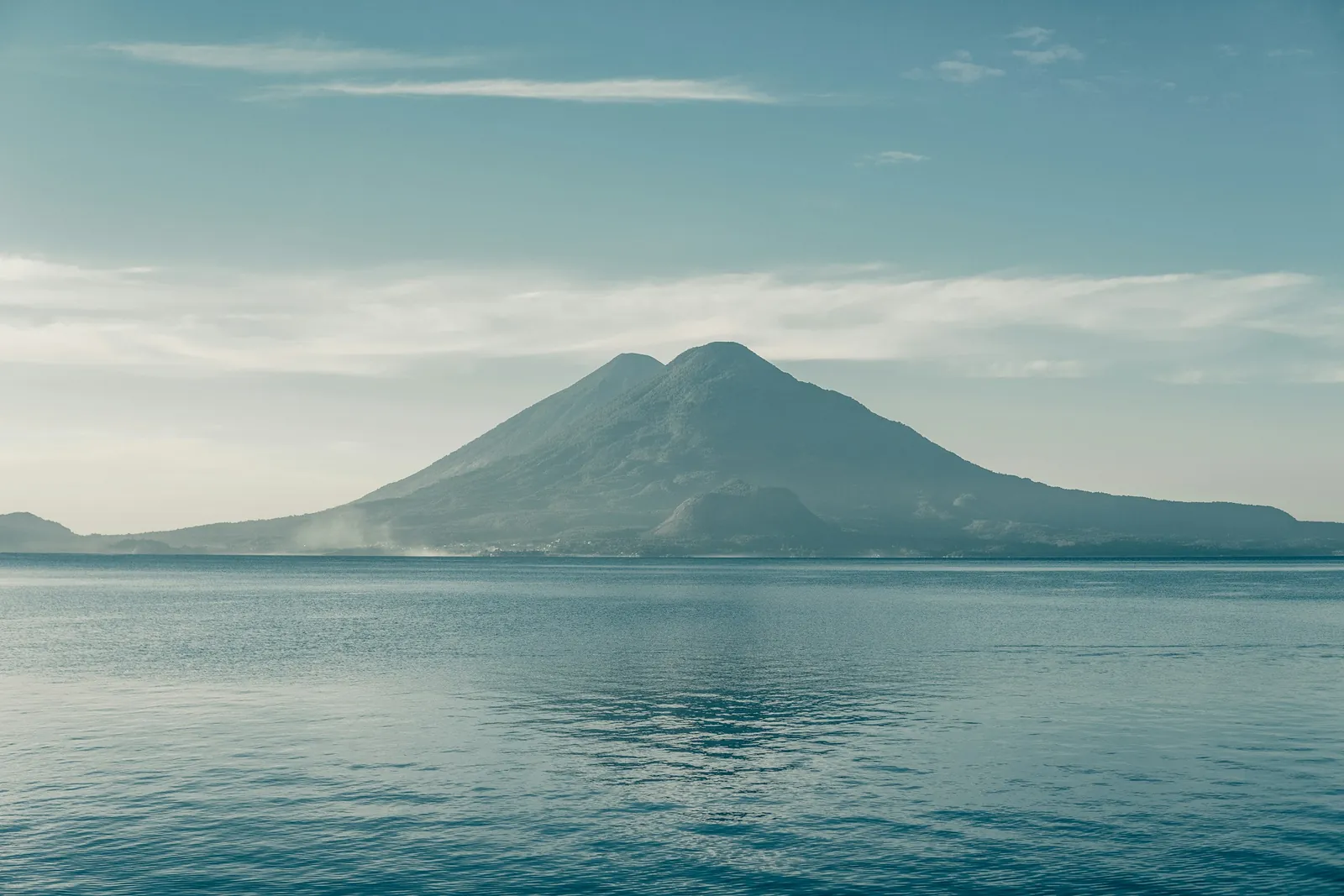
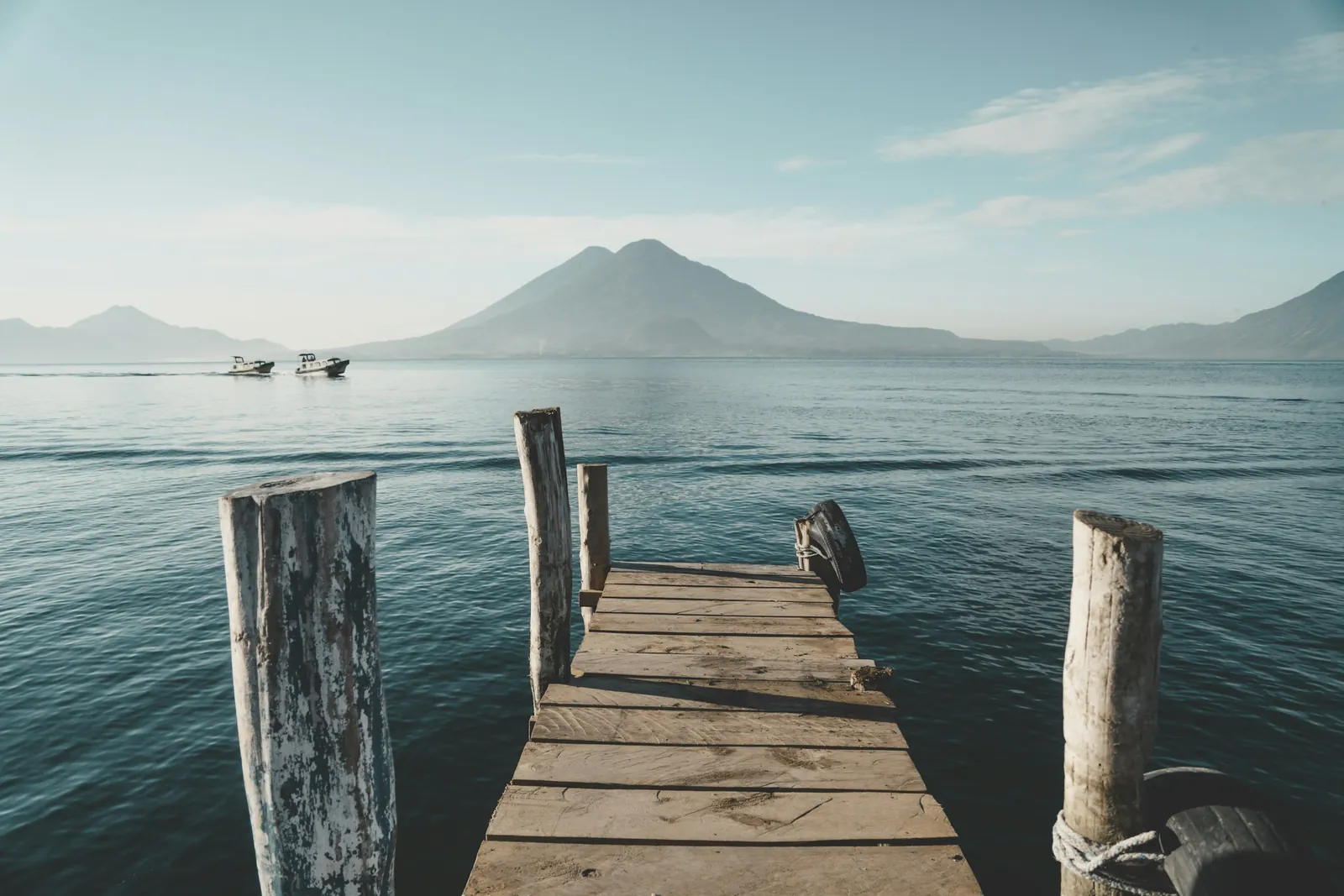
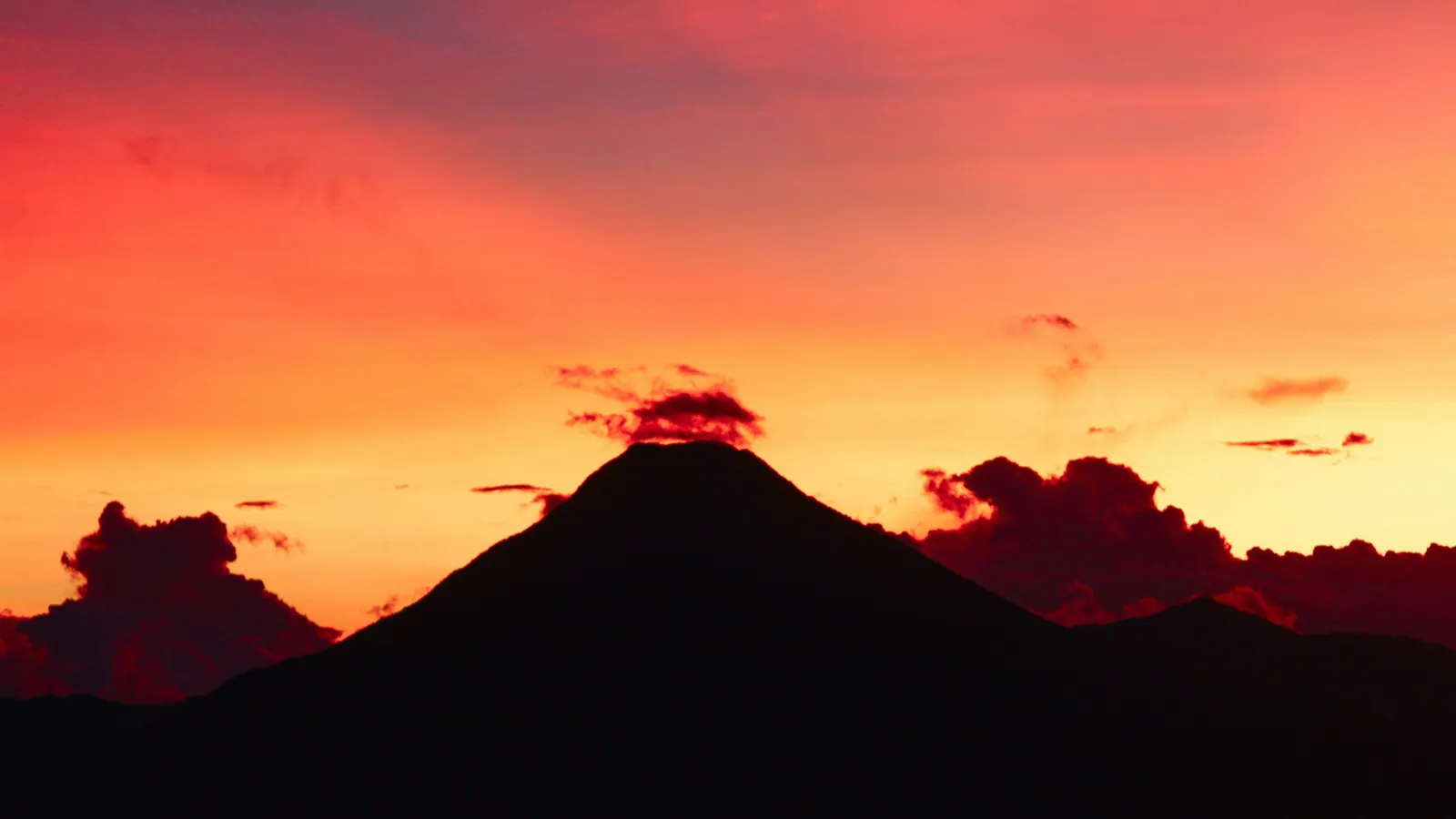
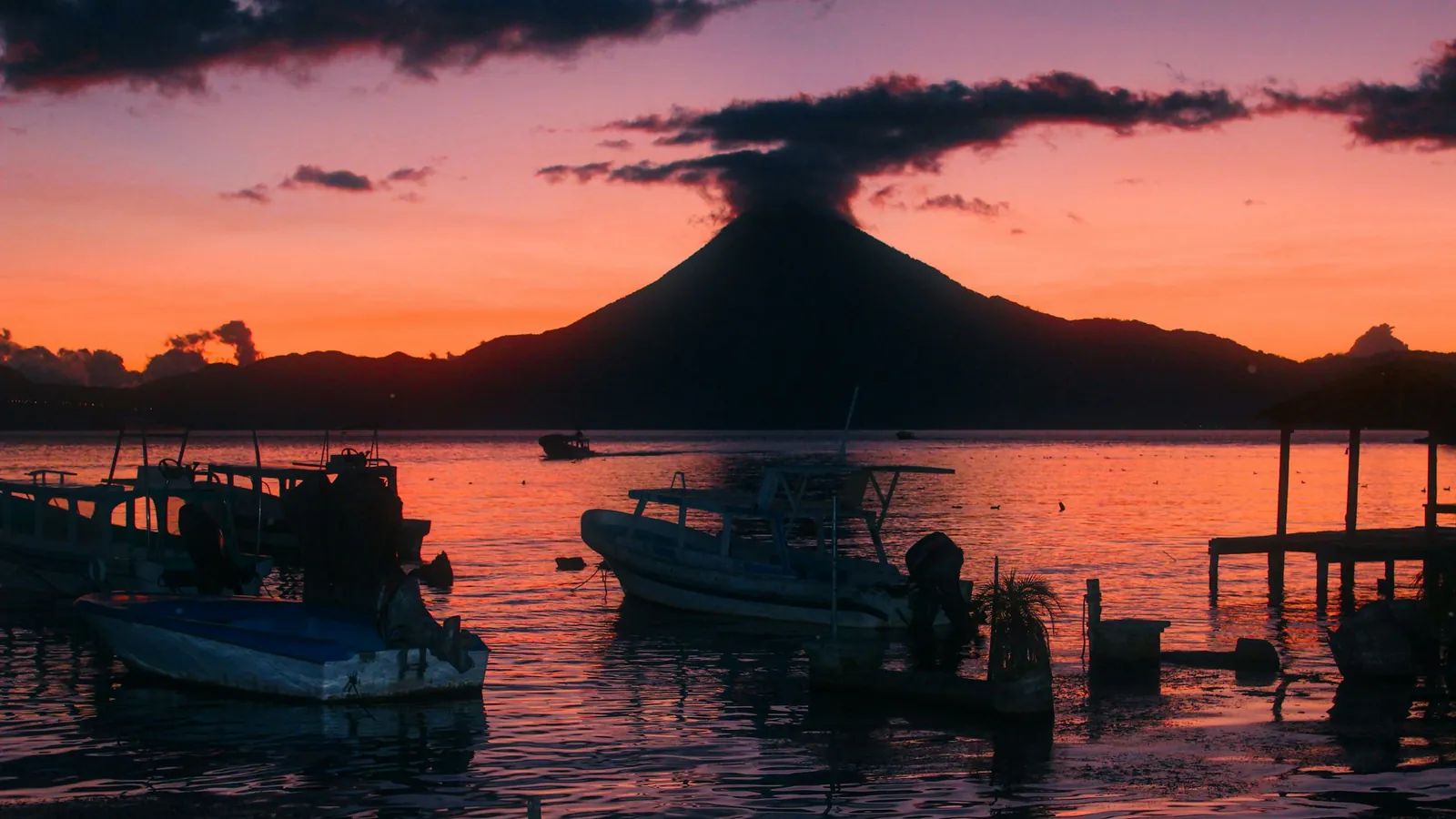
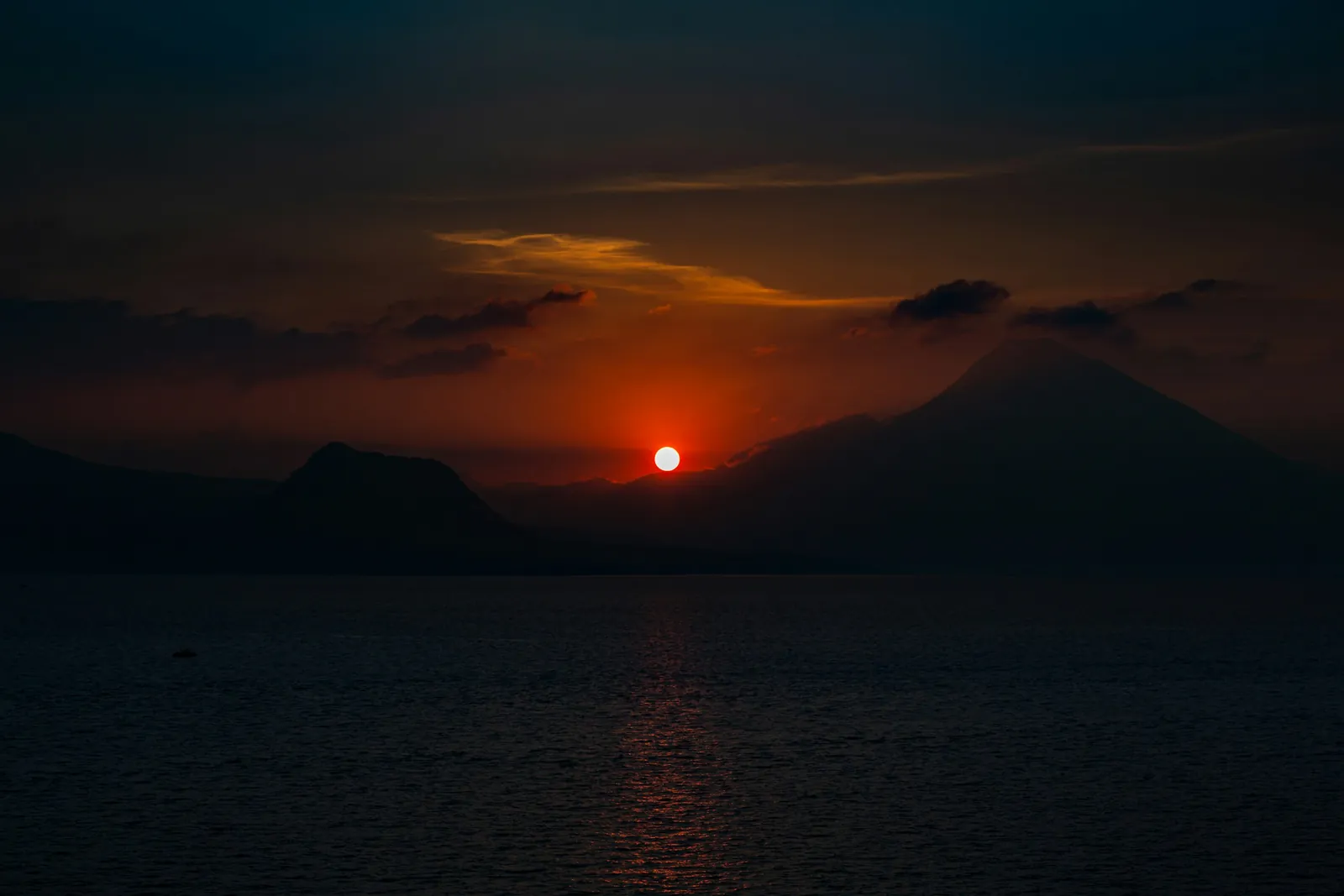
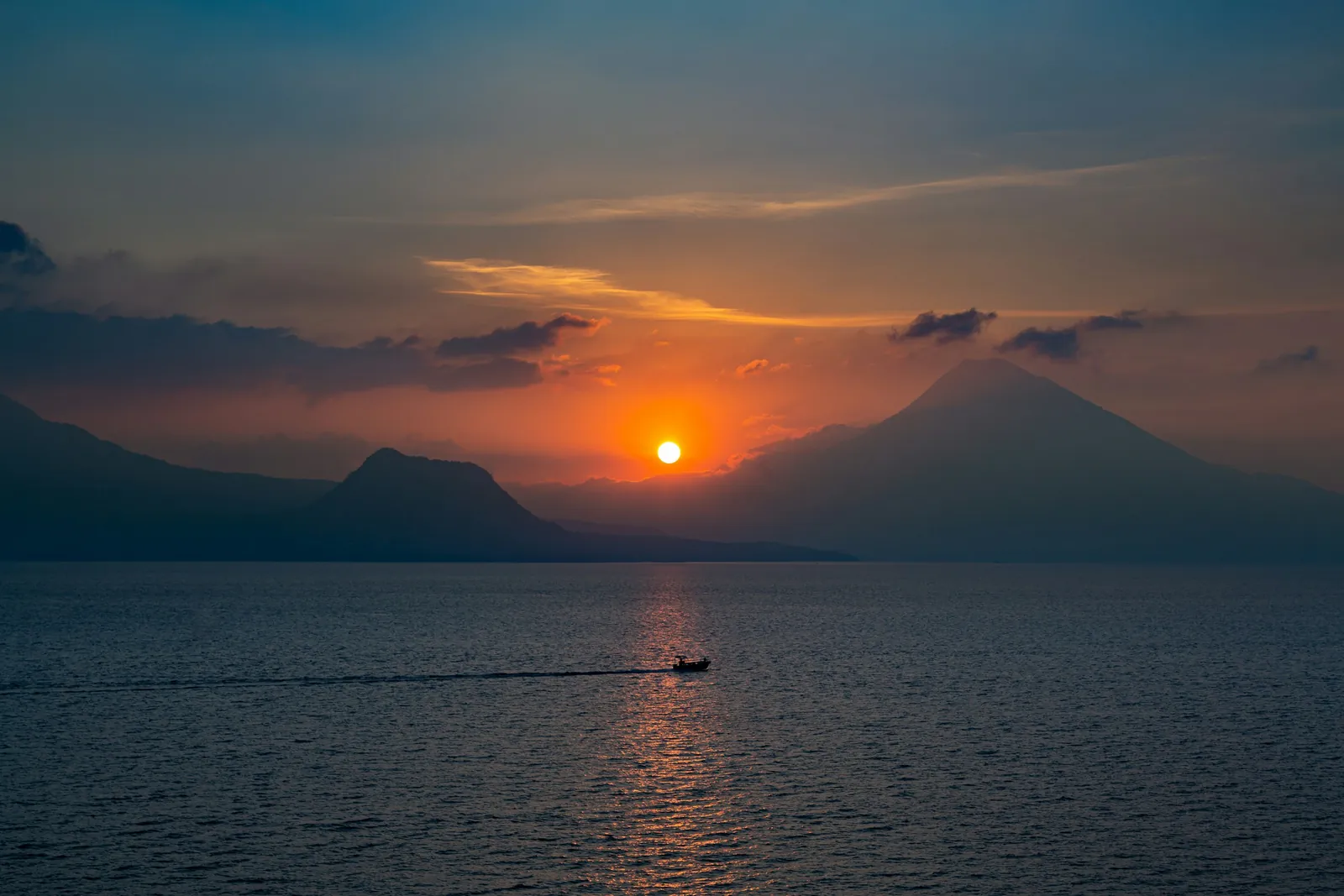
These two villages on the north shore are a short boat ride from Panajachel and are reached mainly by boat. Hotels cling to the hillside above small docks, and the main event is the view of the three volcanoes across the water: Atitlán, Tolimán and San Pedro. Jaibalito is the smaller of the two and is linked to Santa Cruz by a footpath.
This is where we would point a couple, a honeymoon or a traveller who wants to read, swim and not see a car for three days. It is the wrong choice if you want to eat somewhere different every night: after dark, getting between villages means arranging a private boat, and walking hillside paths with a torch is not for everyone. Ask any hotel here how many steps there are from the dock to your room. The answer matters more than the photos.
San Marcos La Laguna: for yoga and wellness
San Marcos, on the north-west shore, is where most of the lake's yoga, meditation and holistic courses are concentrated. Its centre is a web of footpaths rather than streets, and the village has a deliberate, slow rhythm.
It suits people who come to Atitlán for a retreat or a course, and solo travellers who like that scene. The quality of facilitators varies widely, so check who teaches, what training they have and what a session includes before you commit. It is not the place for nightlife, and it is not the place for anyone who finds the alternative-living scene tiring after a day.
Tzununá, the next village east, is quieter still and has a handful of retreat-style properties on the slopes. Road access to this stretch exists but is slow, so most visitors still arrive by boat.
San Pedro La Laguna: lively, young, noisy
San Pedro sits at the foot of the San Pedro volcano and has long been the lake's backpacker centre: language schools, cafés, bars and the cheapest food on the shore. It is connected by road to San Juan and around to Santiago, and boats run frequently to Panajachel.
Choose San Pedro if you are travelling on a budget, want to study Spanish for a week, or like being where other travellers are. Do not choose it if you sleep lightly: the lakefront areas popular with visitors can be loud late into the night, especially at weekends. One paperwork note from the UK government's travel advice: it states that in San Pedro La Laguna local authorities may not accept a copy of your passport, so carry the original.
San Juan La Laguna: cooperatives and a calmer street
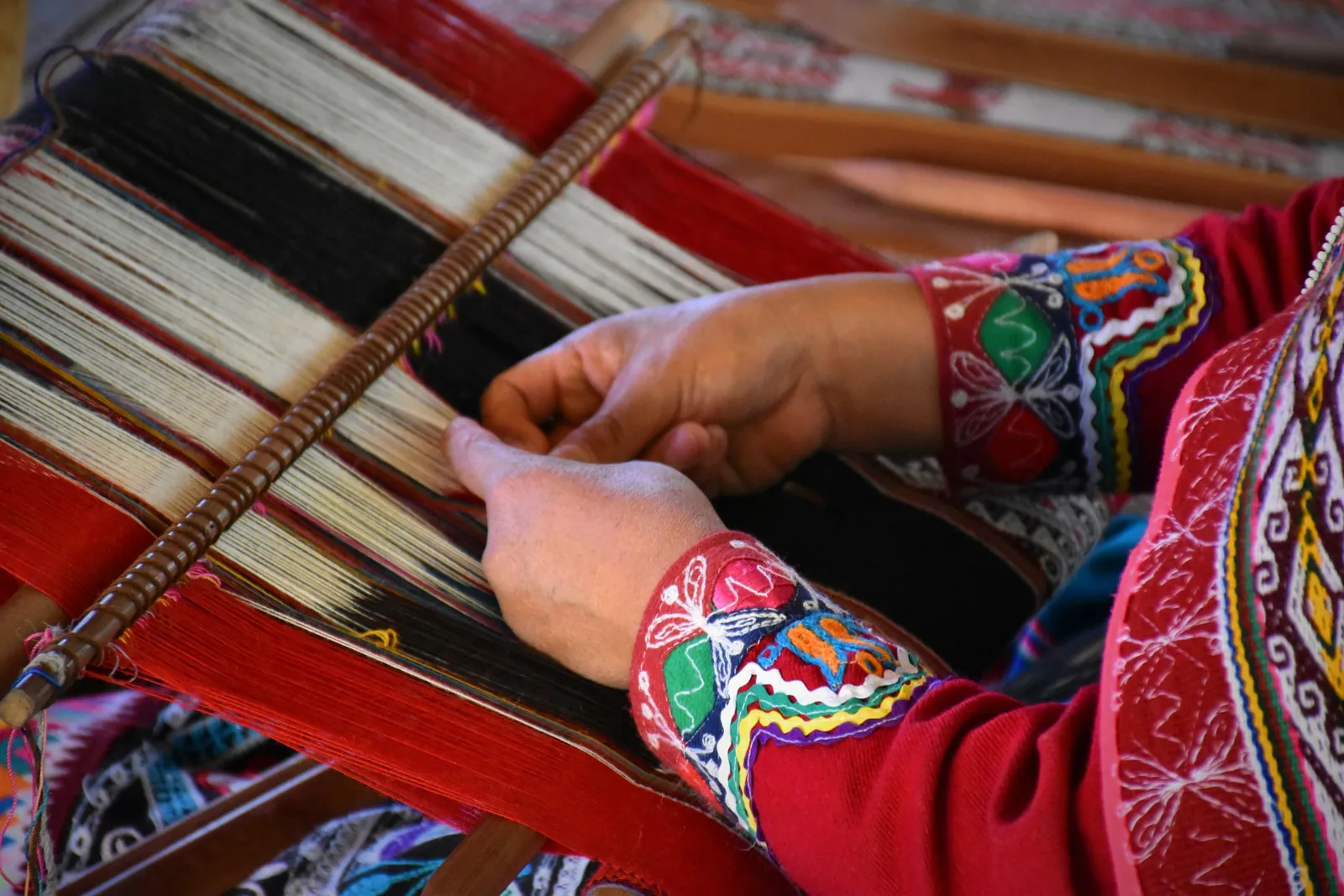
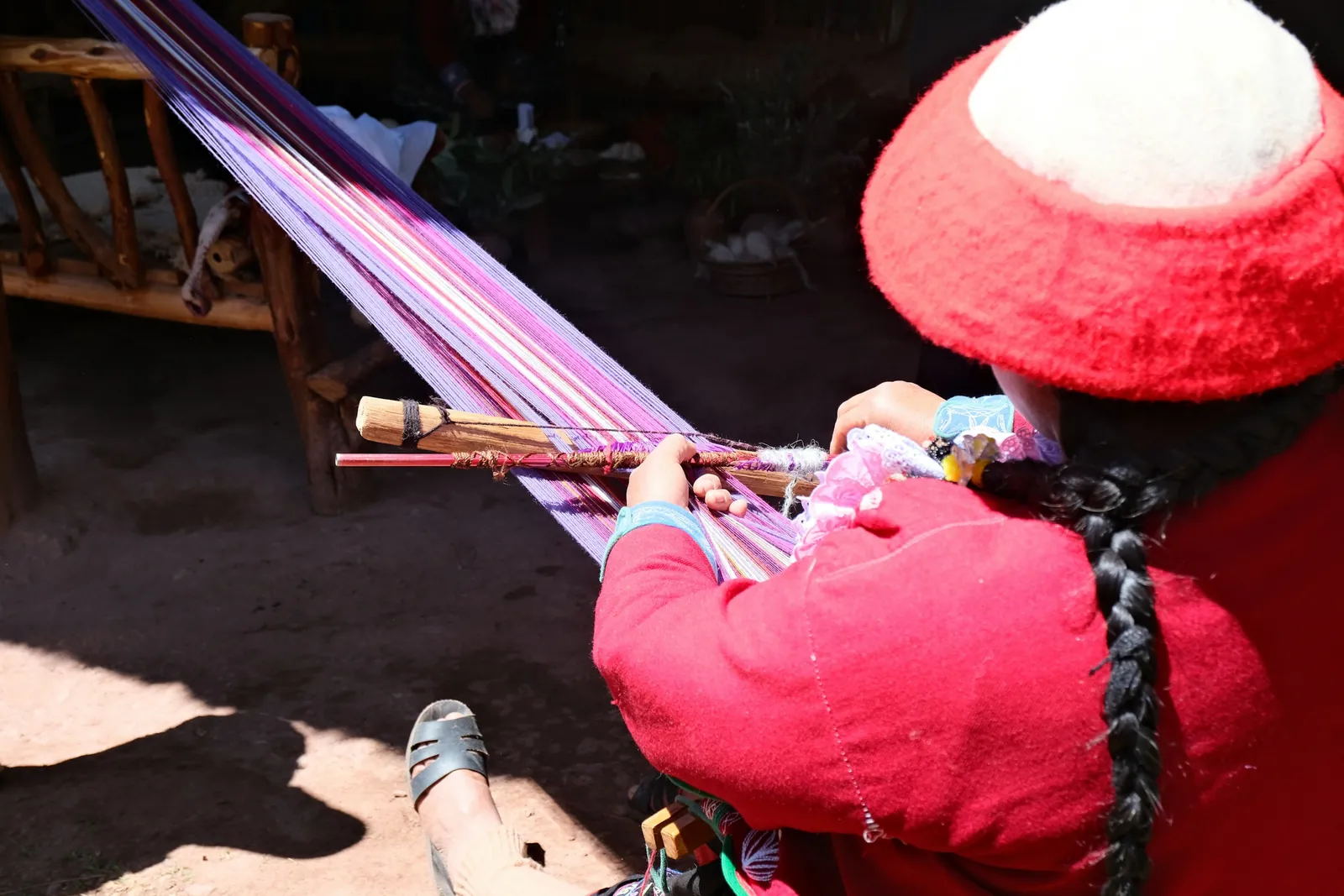
San Juan is a short tuk-tuk ride or walk from San Pedro, and the difference is immediate. It is a Tz'utujil village known for weaving cooperatives that work with natural dyes, along with small chocolate and natural-medicine projects. Its painted streets are tidy, and evenings are quiet.
San Juan is the stop our Guatemala tours use for the lake day. On the Basic Guatemala 6-day tour, day 4 drives up to Panajachel and takes a boat across to San Juan La Laguna to visit Maya cooperatives working with traditional textiles, chocolate and natural medicine. If you want more than a few hours, San Juan is a good base: you get the cooperative workshops at your door and San Pedro's restaurants ten minutes away.
Santiago Atitlán: the town, not the resort
Santiago Atitlán, on the southern inlet between the volcanoes, is the largest Tz'utujil town on the lake. It is a working market town with a church on the main square, and it is also known for the cofradía that keeps the figure of Maximón, which visitors usually see with a local guide. It is reachable both by boat and by road.
Few visitors sleep here, and for most travellers a guided visit from another village works better than a night. Stay if you want to see daily life outside the tourist circuit and are comfortable with fewer English-speaking services.
Safety and practicalities around the lake
A few points worth planning around, whichever village you pick:
- Road transfers. The UK FCDO notes that there have been armed attacks or robberies on most tourist routes, listing the routes between Guatemala City, Antigua, Tikal, Petén and Lake Atitlán. A booked private transfer during daylight is the sensible choice. Read the current advice before you travel.
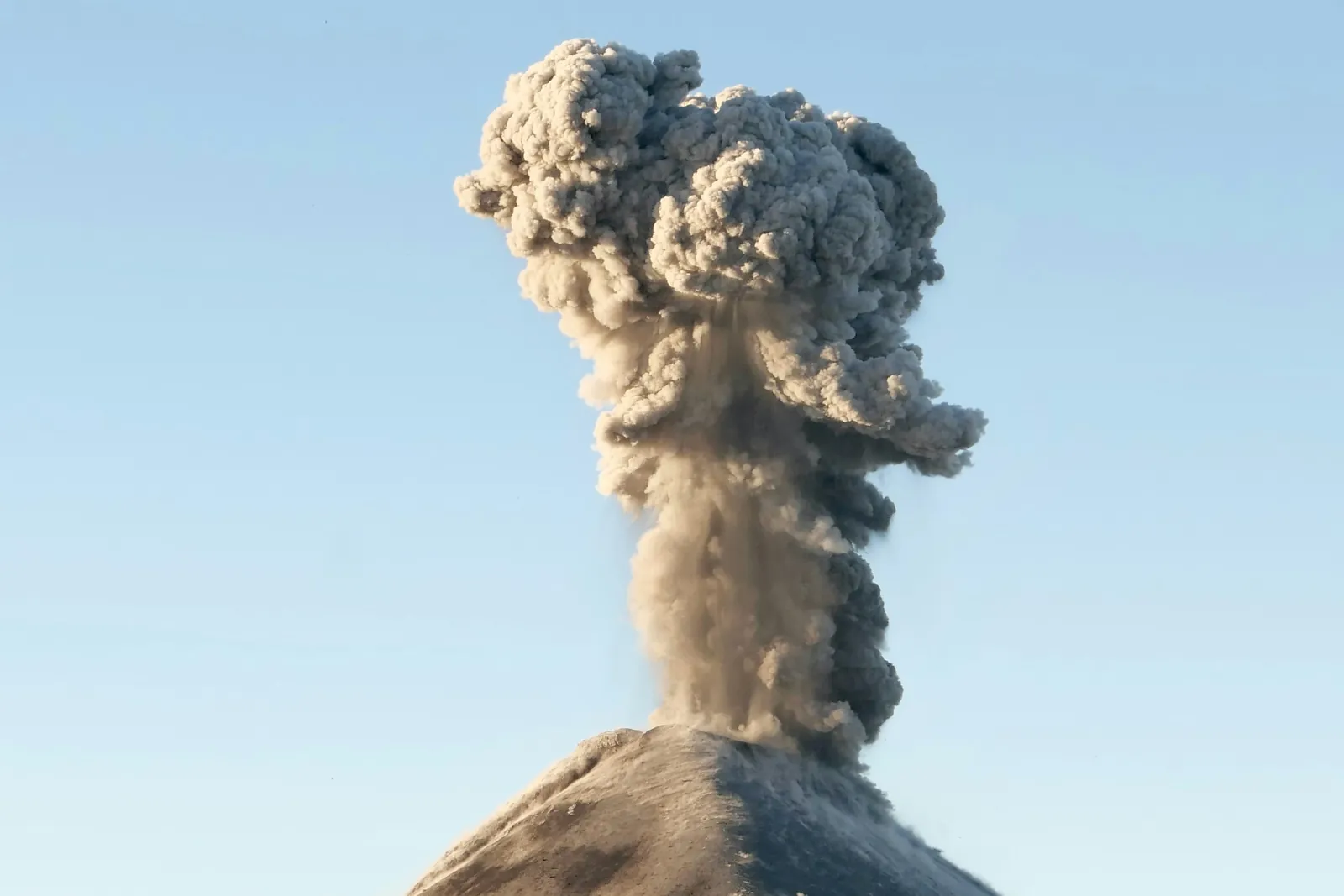
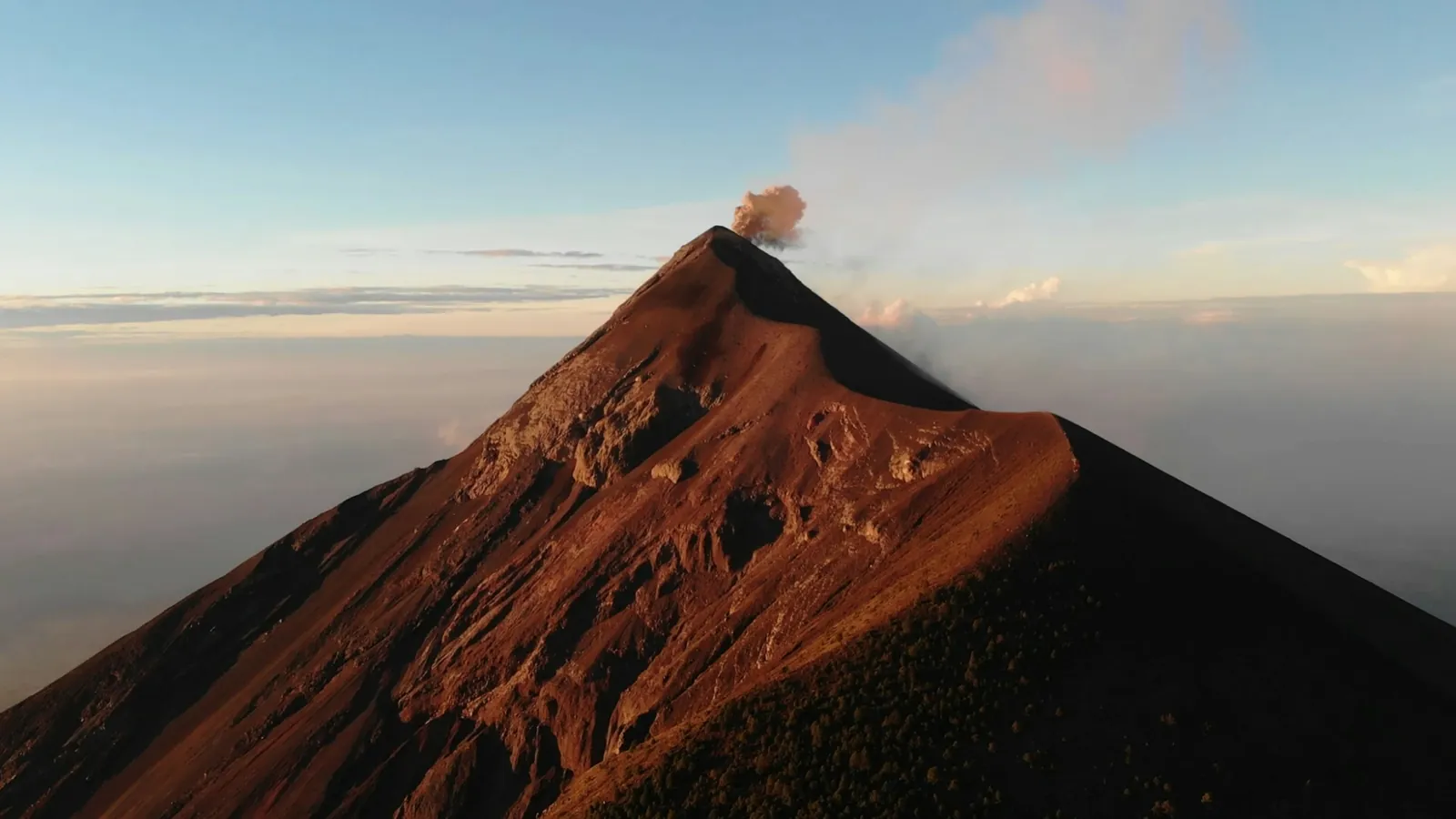
- Volcano hikes. The same advice says local tour organisers tend to underestimate risks and that there is no mountain rescue service. Use an established guide and do not hike alone.
- Cash. Smaller villages have fewer ATMs than Panajachel, and lancha fares are paid in cash. Arrive with quetzales.
- Luggage. On the shores reached mainly by boat, pack so you can carry your own bag up steps. A soft bag is easier than a hard suitcase.
- Timing. Morning crossings, and a buffer day before an international flight.
The FCDO page is the one to check for the latest wording: UK travel advice for Guatemala, safety and security. For weather and the wet season, our guide to the best time to visit Peru, Bolivia, Guatemala and Costa Rica covers the months.
How many nights at Lake Atitlán, and how our tours handle it
One night lets you see the lake at dawn, when it is often at its calmest. Two or three nights let you pick a village that suits you and use the boats to see two or three others. More than that makes sense for a course, a retreat or simply a slower trip.
Our set Guatemala itineraries treat the lake as a full day: the Guatemala For Everyone 7-day tour and the Mystical Guatemala 10-day tour (which ends in Roatán, Honduras) both include a boat ride and a guided visit to San Juan, with Santa Catarina or San Antonio Palopó as the fallback if weather stops the crossing. The Maya & Ancestral 9-day tour places the lake day after the Chichicastenango market. If you would rather sleep by the lake, tell us when you contact us and we can look at building the night into a private itinerary.
If you are still deciding how the lake fits around Antigua, a volcano and Tikal, our 6 to 7-day Guatemala itinerary works through the trade-offs, and the Guatemala destination page lists everything we run in the country.
Questions people ask about staying at Lake Atitlán
Which village is best for a first visit to Lake Atitlán?
For one or two nights, Panajachel is the simplest: road access, the main dock and the most services. If you want the lake to feel quieter, Santa Cruz La Laguna is a short boat ride away, as long as you are fine arriving by boat.
Is Lake Atitlán good for families?
Yes, with the right base. Panajachel or a hotel with direct road access avoids carrying children and bags in and out of boats, and an early timetable keeps you off the water when the afternoon wind rises.
Can I swim in Lake Atitlán?
Many visitors swim from hotel docks. Water quality is a recurring issue on the lake, so ask locally about current conditions before you swim.
Do I need a car at Lake Atitlán?
No. Boats and tuk-tuks cover most movement between villages. For the arrival and departure from Antigua or the airport, a private transfer is the easiest and, given current travel advice, the more prudent option.
Keep reading
Photography: Christopher Garcia / UnsplashChristopher Garcia / UnsplashHusha Bilimale / UnsplashSheila C / UnsplashParker Hilton / UnsplashChristopher Garcia / UnsplashBen Turnbull / UnsplashJonathan Phelps / UnsplashIrene De León / UnsplashGuillermo de Manuel / UnsplashJean Vella / UnsplashIrene De León / UnsplashJuan Jose Estrada / UnsplashBen Turnbull / UnsplashSophia Simoes / UnsplashJuan Jose Estrada / Unsplash