Journal
Costa Rica with Kids: A Practical Guide for Families
Planning Costa Rica with kids: realistic pace and transfers, activity age limits, CDC health advice and the exit permit rule for minors, as of Nov 2026.
Costa Rica with kids works best when you plan around two things: how long the children can sit in a car, and how much heat and walking they can take in a day. Get those right and the country is easy. Get them wrong and you spend a week of a holiday on the road, with tired children in the back seat.
This guide covers the practical side: which ages suit which activities, how to set the pace, what transfers really involve, what health advice the CDC gives, and the paperwork for children travelling with you. Where a rule depends on the operator or on your child's nationality, we say so instead of guessing.
How to plan Costa Rica with kids: fewer bases, longer stays
The common mistake is trying to see the whole map. Arenal, Monteverde, the Pacific beaches, the Caribbean coast and the Osa Peninsula all sit on lists of places families go. Fitting four of them into ten days means a road transfer almost every other day.
For most families, two bases plus a night near the airport is enough. A rainforest-and-volcano area, then a beach. Children get a few mornings that start in the same bed, and adults get time when nothing is scheduled.
That is the shape of our Family Vacation in Costa Rica, 6 days: two nights around Arenal Volcano, two nights in Playa Sámara on the North Pacific coast, and a last night in San José before the flight. It runs as a private group, with airport assistance, transfers between destinations, five nights in family-friendly hotels, daily breakfasts and one lunch.
What a family week looks like on the ground
- Day 1: arrival at Juan Santamaría International Airport (SJO) and a private transfer straight to the Arenal area. No sightseeing that day; the point is to rest after the flight.
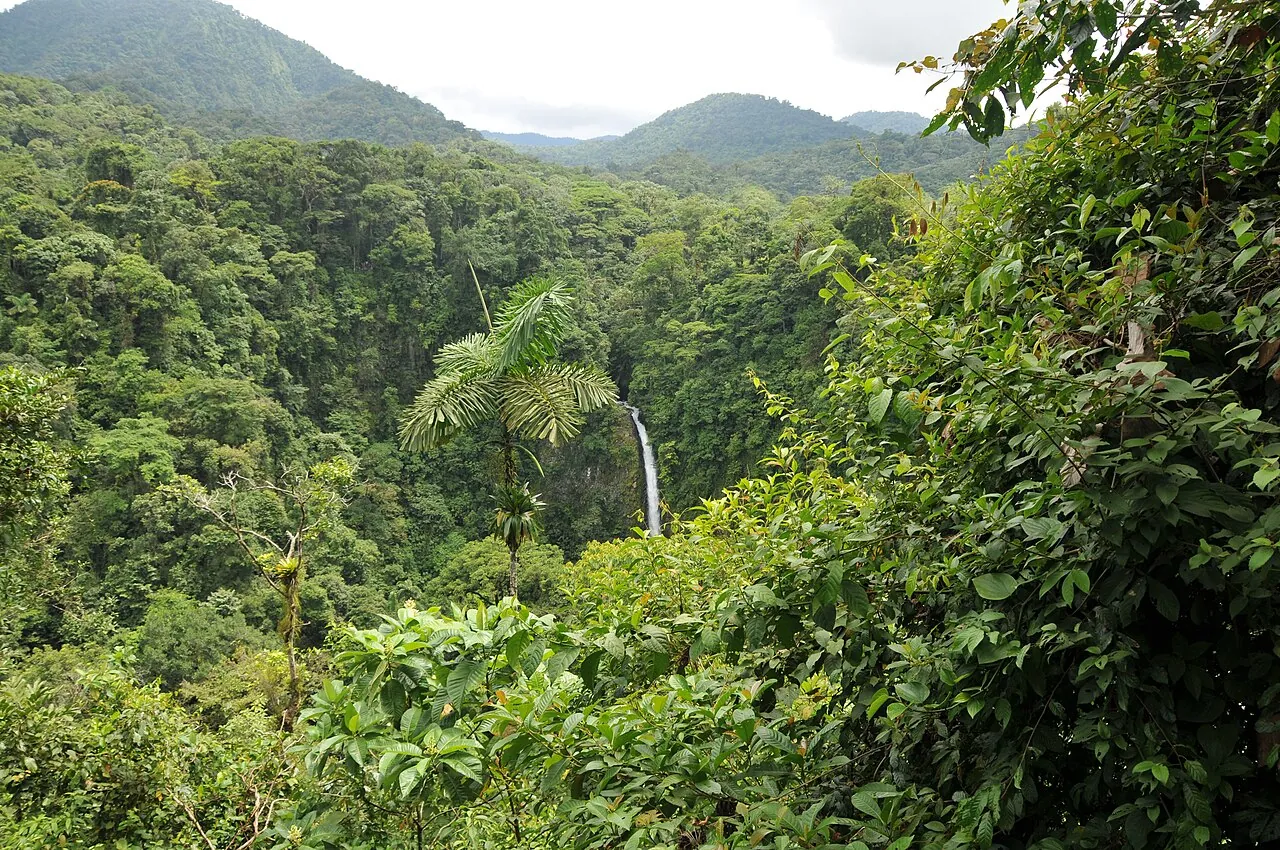
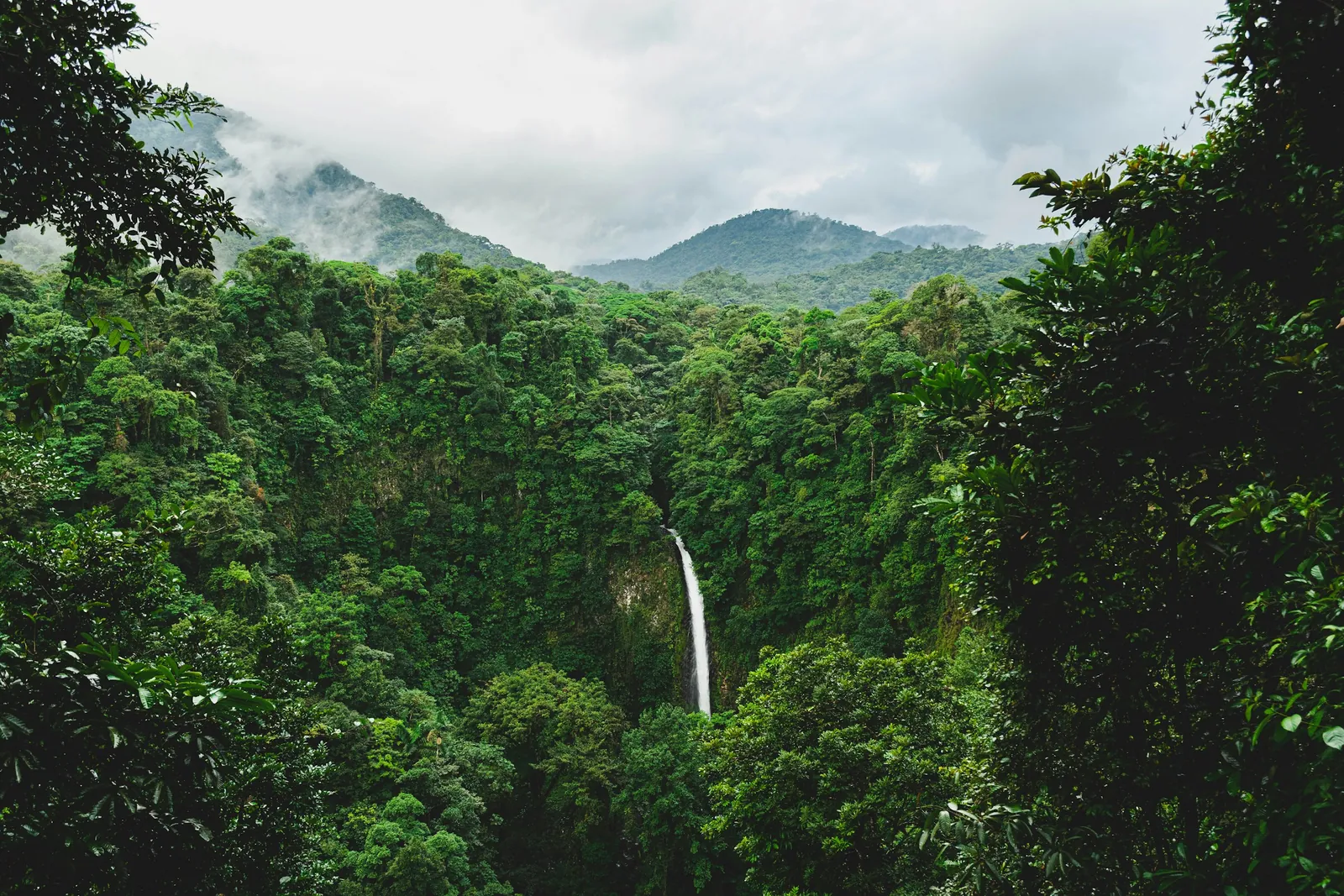
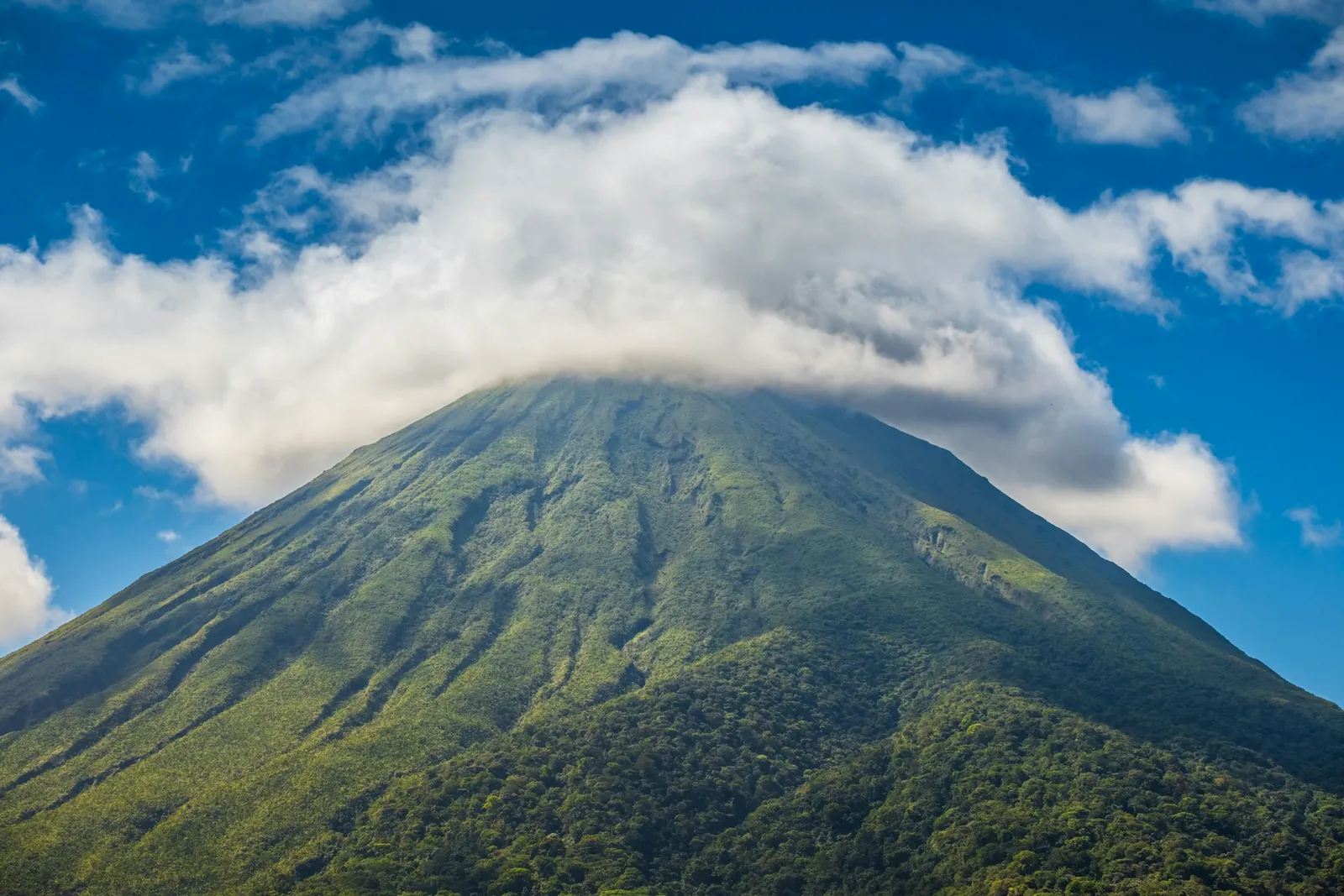
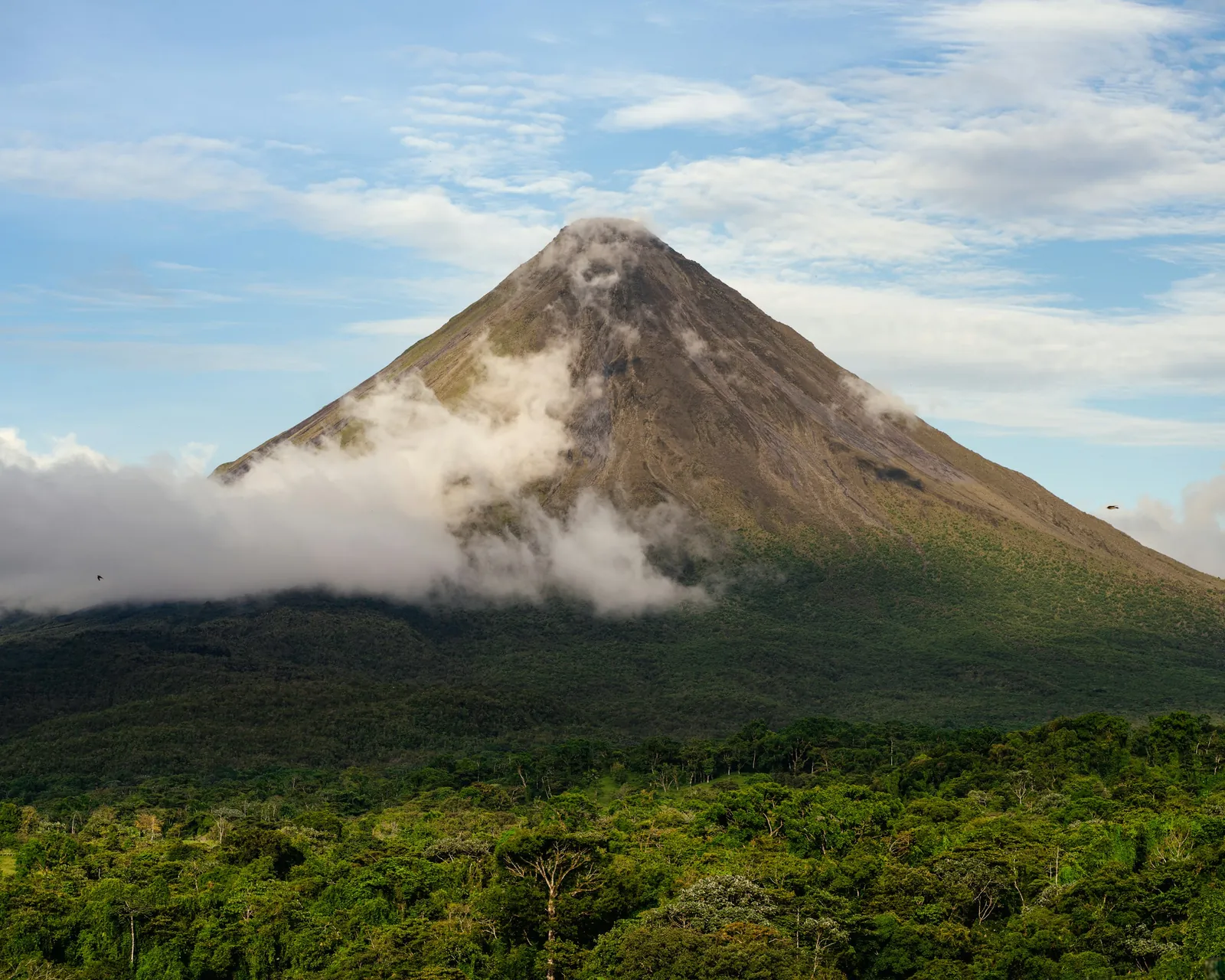
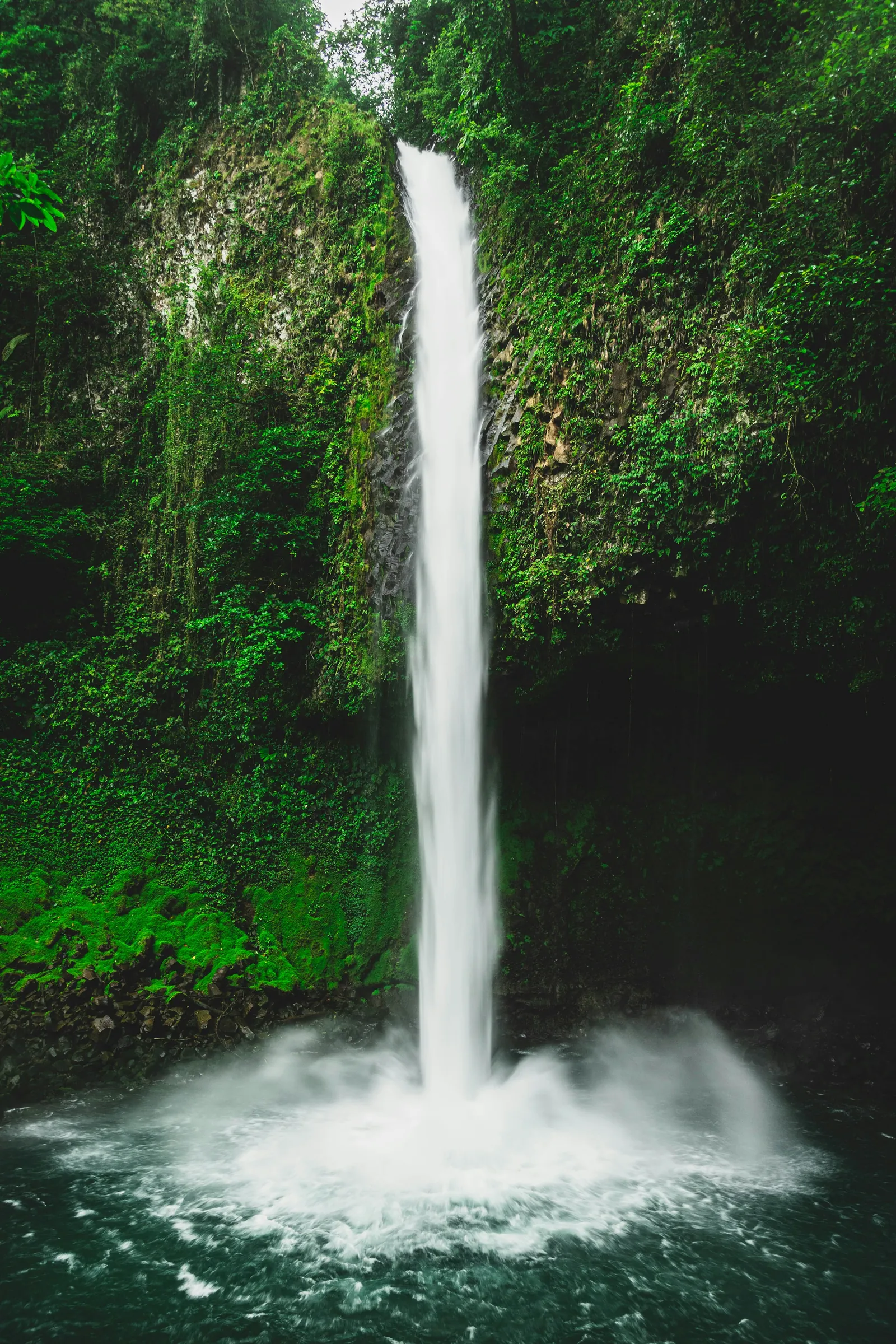
- Day 2: the Arenal combo tour. Hanging bridges through the rainforest canopy, then down to La Fortuna Waterfall, where you can cool off, and a view of the volcano.
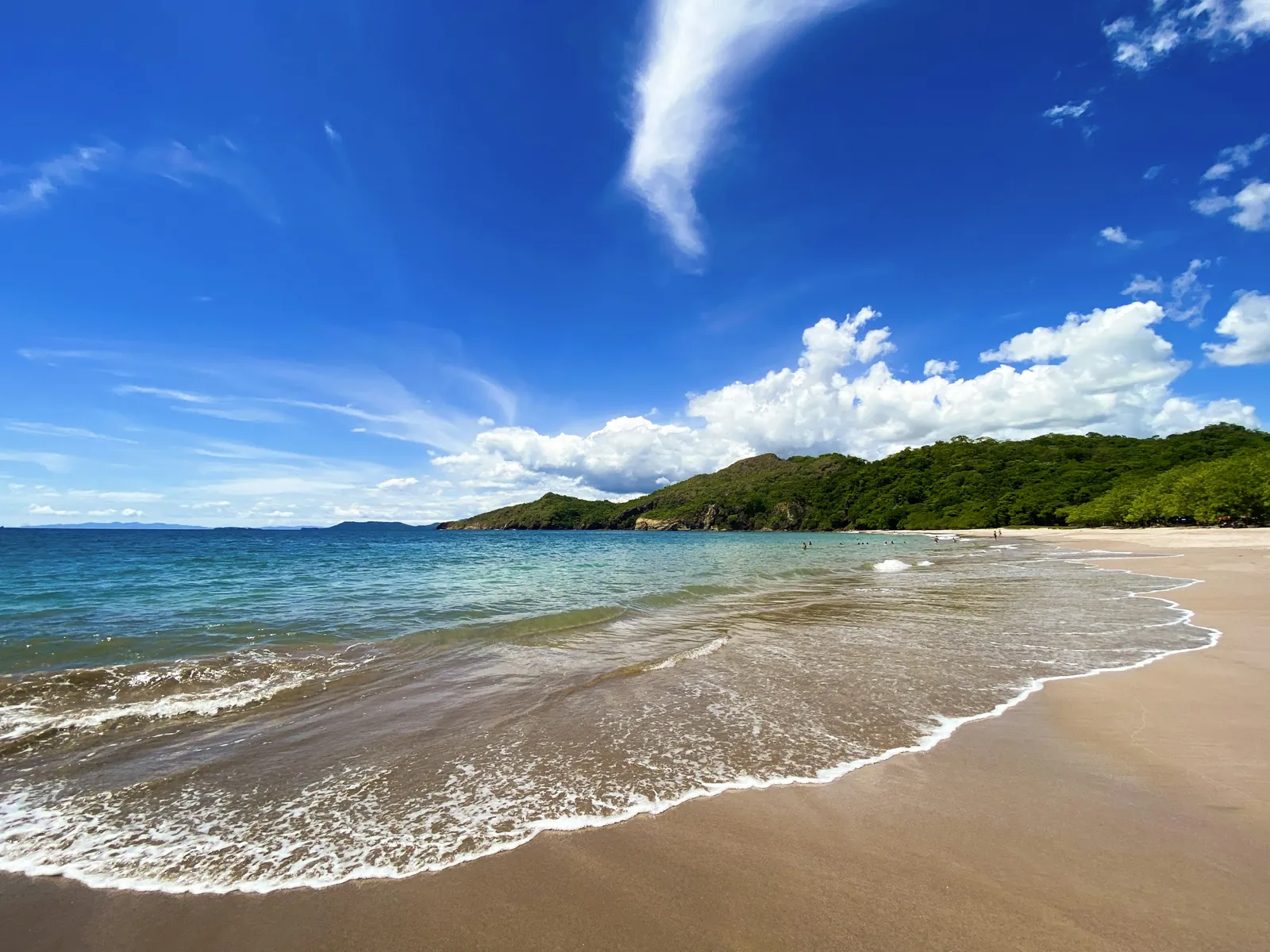
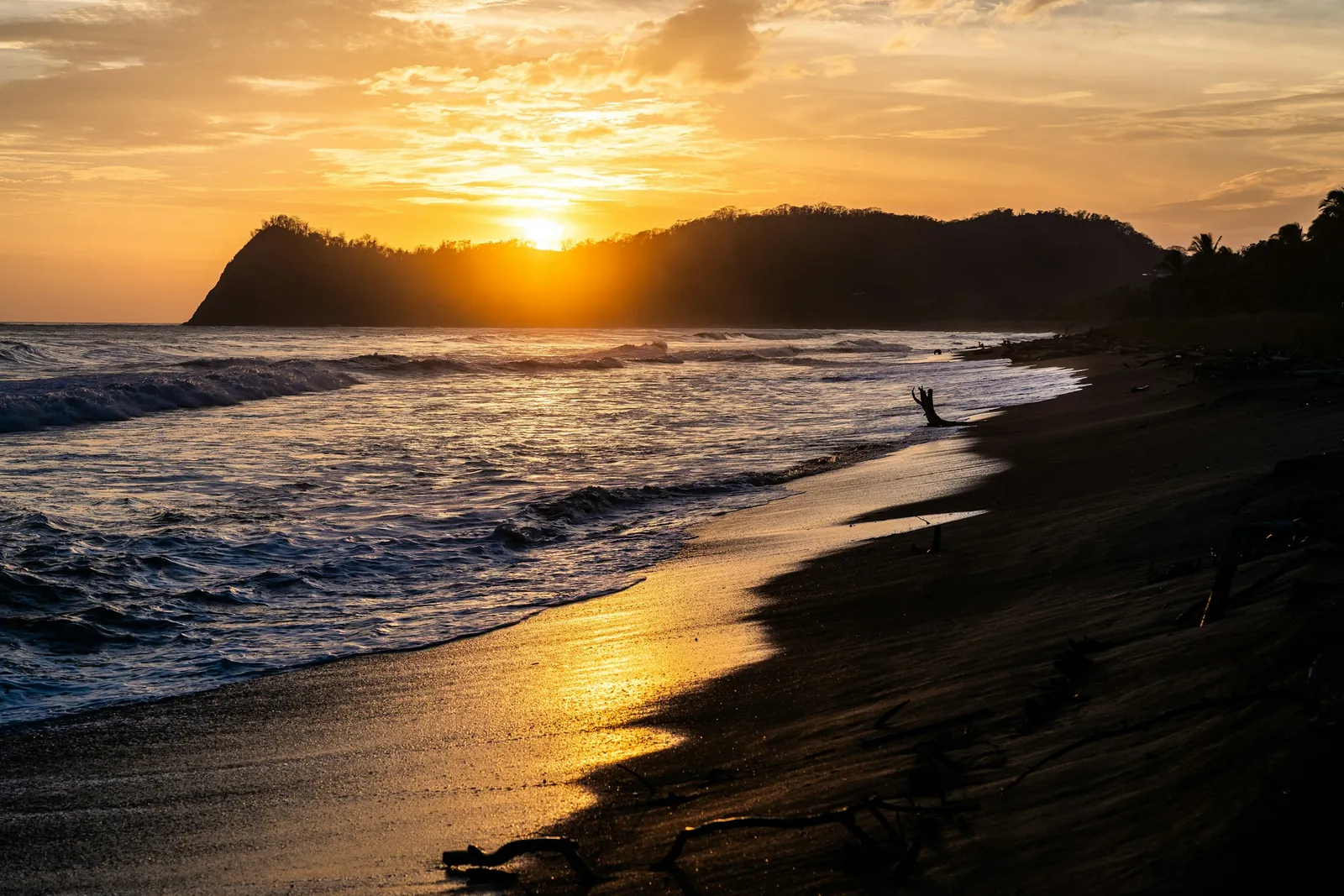
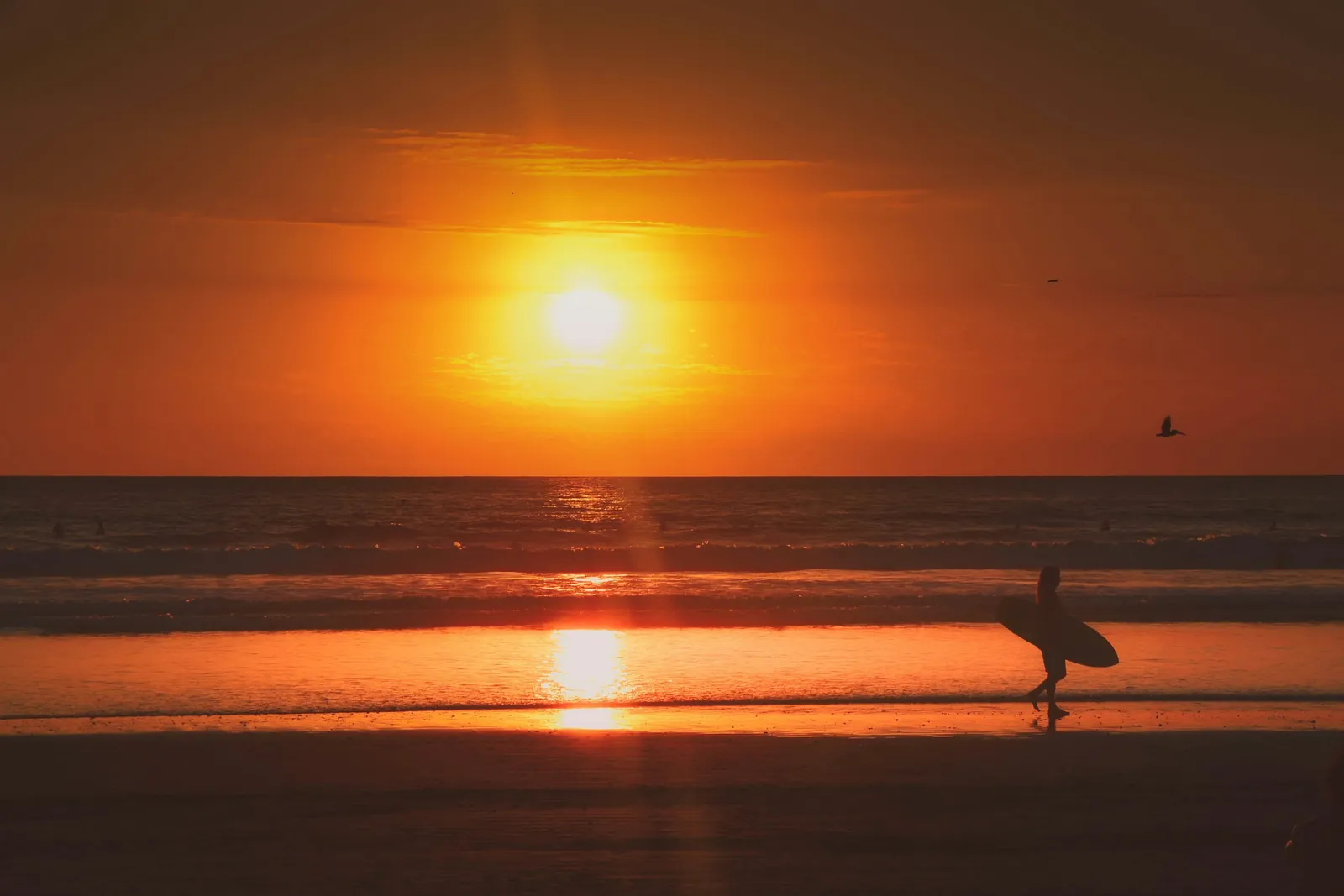
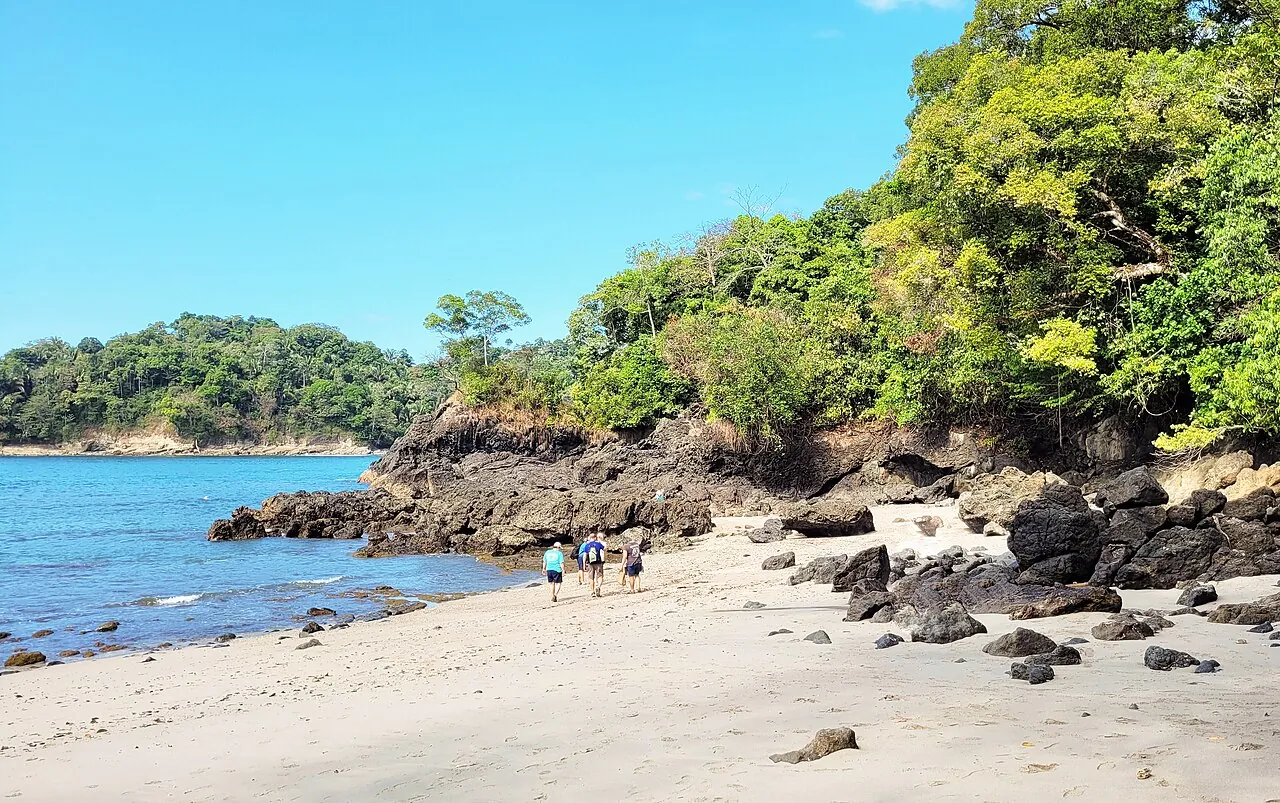
- Day 3: transfer to Playa Sámara on the North Pacific coast. Free afternoon at the beach.
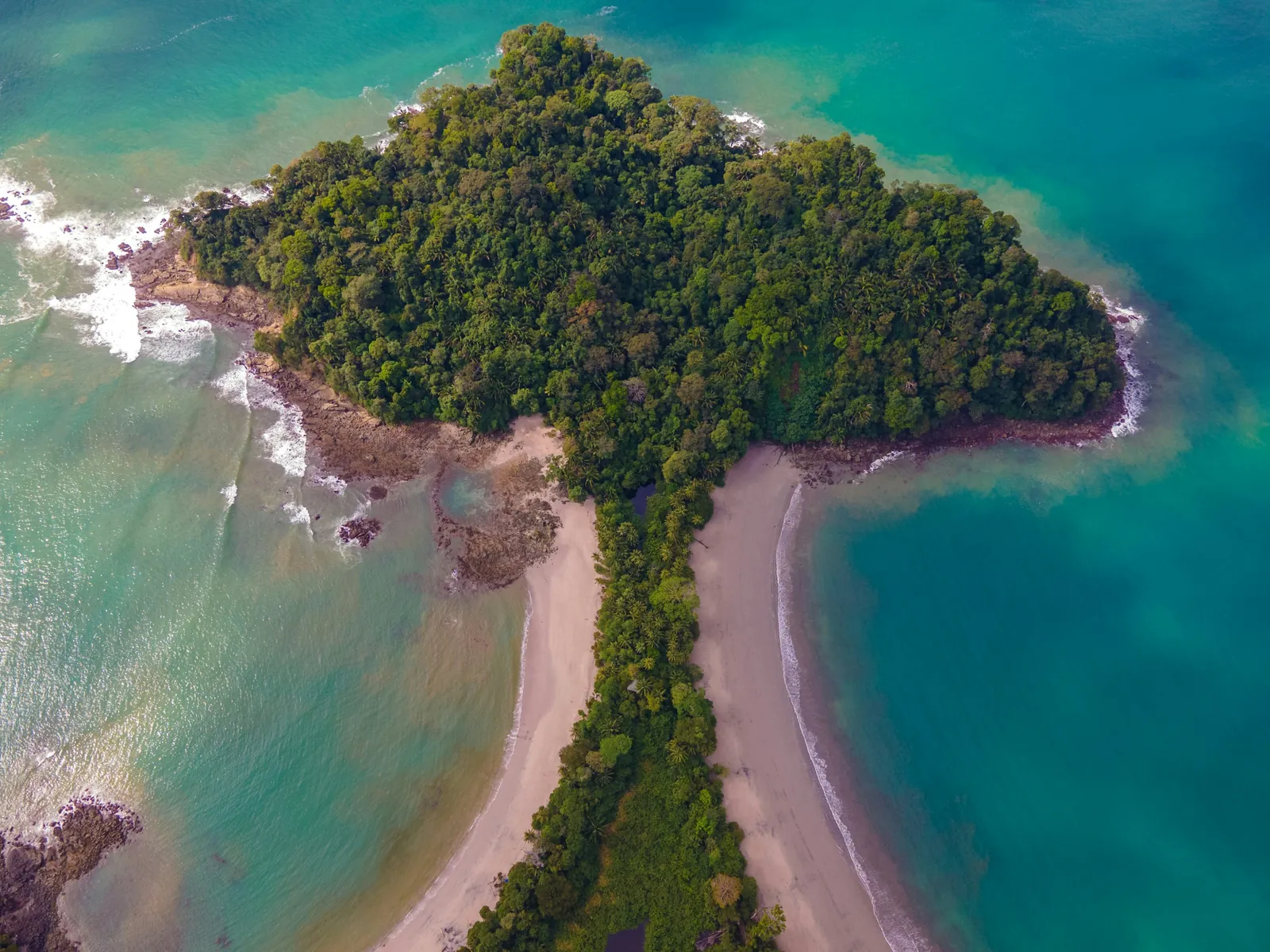
- Day 4: kayak across the bay to Chora Island, with time to snorkel or simply play in the water.
- Day 5: shared morning transfer back to San José and a free afternoon.
- Day 6: transfer to SJO for the flight home.
Notice what is not in it: no 5 a.m. starts, no day with two long drives, and a free afternoon after each transfer. If your children are older and want more, the structure can take an extra activity day at either base. If they are toddlers, it may already be enough.
Which ages suit which activities?
There is no single age limit for Costa Rica. Each activity sets its own, and each operator sets its own rules within that. Treat the guidance below as a starting point and check the exact minimum with us before you book.
- Hanging bridges: a walk on built trails and suspended bridges. Generally manageable for children who walk confidently; a baby carrier is easier than a pushchair on uneven ground.
- La Fortuna Waterfall: the walk down and back up involves a long series of steps. The climb back is the hard part for small legs, so budget time and energy for it.
- Kayaking and snorkelling: depends on swimming ability and on the operator's minimum age. Younger children usually ride in a double kayak with an adult. Life jackets are standard, but ask.
- Zip lines, canyoning and white-water rafting: these are where age and height or weight limits are strictest, and they vary by company and by river section. Do not promise them to a child before checking.
A practical rule: if your youngest is under five, plan around what that child can do and let older siblings add one activity with one parent. Splitting up for half a day is often what makes a family holiday work.
How long are the transfers, and how should you handle them?
Distances on the map look short. Journey times are longer than you expect because roads wind through hills, pass through towns and can slow down after heavy rain. We are not quoting fixed drive times here, because they vary with the route, the day and the weather; ask us for the estimate for your exact dates.
- Leave after breakfast, not at dawn. Most children handle a morning drive better than an evening one.
- Plan a stop. A break for food and a toilet halfway changes the whole day.
- Bring car-sickness remedies your doctor approves if your child needs them. Hill roads can be hard on some children.
- Ask about car seats in advance. If you need one for a baby or small child on a private transfer, tell us the child's age and weight when you book, so it can be arranged or you can decide to bring your own.
Note that in our 6-day programme the transfer from Sámara back to San José is shared, not private. If you would rather keep that leg private too, say so when you enquire; it can be quoted separately.
Health: what the CDC says about Costa Rica
Start with your family doctor or a travel clinic, ideally several weeks before you fly, and take the itinerary with you. As of November 2026, the CDC's Costa Rica page includes these points:
- Measles: the CDC says all international travellers should be fully vaccinated, and infants aged 6 to 11 months should get an early dose. This is the one to check first for babies and toddlers.
- Hepatitis A: recommended for unvaccinated travellers aged one year or older.
- Yellow fever: not recommended for Costa Rica itself, but proof of vaccination is required for travellers aged nine months or older arriving from countries with risk of yellow fever transmission. If you are coming from, say, a trip to parts of South America, check this before you book flights.
- Malaria: risk is limited to certain areas; the CDC lists transmission in Alajuela and Limón provinces and says preventive medicine is recommended there, with bite prevention elsewhere. Arenal is in Alajuela province, so ask your doctor specifically about it.
- Dengue: a mosquito-borne risk with no vaccine listed for travellers to Costa Rica. Bite prevention matters: repellent suitable for children, long light clothing at dusk, and rooms with screens or air conditioning.
- Typhoid and rabies: the CDC suggests discussing these with your doctor depending on where you will go and what you will do. Teach children not to touch animals, including bats and street dogs.
None of this is medical advice. The right answer for your child depends on age and health history, which only a doctor can assess. Sun and heat are the everyday issue on the coast: hats, shade in the middle of the day, and plenty of water.
Entry rules for children travelling to Costa Rica
Every child needs their own valid passport, including babies. Entry conditions such as passport validity and proof of onward travel depend on nationality and can change, so check the official government advice for your own country before you book.
The rule that confuses parents is the Costa Rican exit permit for minors, the permiso de salida. Under the country's migration rules, this permit applies to Costa Rican minors and to foreign minors who hold residence in Costa Rica. A child who enters as a tourist on a foreign passport is not normally in that group.
Here is where to be careful. If your child has Costa Rican nationality, even as a second nationality through a parent, the exit permit may apply when leaving the country, even if they entered on another passport. The same goes for children with Costa Rican residence. In those cases, confirm with the Dirección General de Migración y Extranjería before travel, because without the permit the child may not be allowed to board.
Separately, if a child travels with only one parent or with grandparents, airlines and other countries on the route may ask for a signed consent letter from the absent parent. Carrying one costs nothing and can save a long conversation at a check-in desk.
Is Costa Rica safe for families?
Costa Rica is a common choice for families, but ordinary precautions still apply. The main risks for children are the sea, the sun and the road, not crime.
- The sea: Pacific beaches can have strong currents. Ask locally which part of the beach is calm on the day, and keep children within reach in the water. Sámara's bay is known for gentler waves, which is why the programme stops there, but conditions change.
- Valuables: do not leave bags in a parked car, including at beaches and viewpoints. This is the most common problem visitors report.
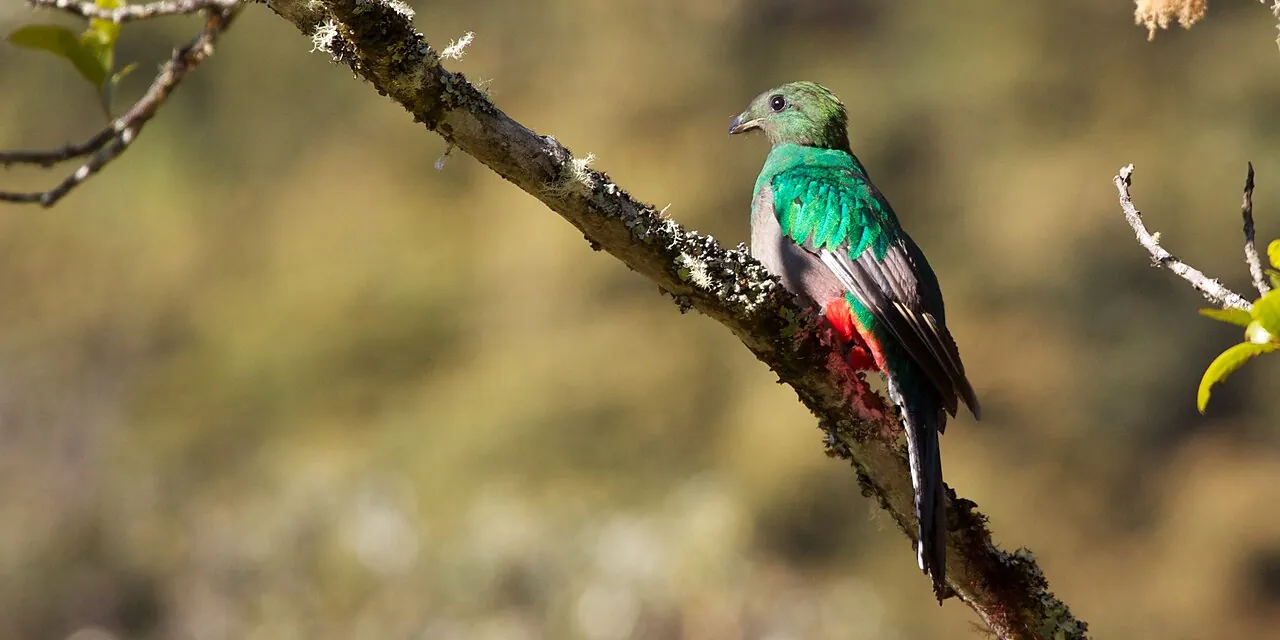
- Wildlife: look, do not touch or feed. Shake out shoes in the morning in rainforest lodges.
- Insurance: our programme does not include travel insurance, and we strongly recommend it for families. Check that it covers medical evacuation and any activity you plan to do.
For current safety advice, read your government's travel advisory for Costa Rica, and our Costa Rica FAQs for questions about money, connectivity and practicalities.
When is the best time to go with children?
School holidays decide this for most families, more than the weather. The dry season and the green season each have trade-offs, which we cover country by country in the best time to visit Peru, Bolivia, Guatemala and Costa Rica. In the wetter months, plan activities for the morning, when rain is less likely in many areas.
If one of your stops is the cloud forest instead of Arenal, our comparison of Arenal vs Monteverde explains which one is easier with children.
Frequently asked questions
How many days do you need in Costa Rica with kids?
Six days covers two bases comfortably, as in our family programme. With ten days, add a third base or simply more beach days; adding more stops mostly adds driving.
Is Costa Rica good for toddlers?
It can be, if you keep the pace slow, pick hotels with shade and a pool, and choose short walks. Some adventure activities will be off the list because of minimum ages.
Do foreign children need a permit to leave Costa Rica?
The permiso de salida is aimed at Costa Rican minors and minors with Costa Rican residence. Tourist children on foreign passports are generally not in that group, but if your child has Costa Rican nationality, check with Migración before travel.
Can the family tour be private all the way?
The programme is a private group. The return transfer on day 5 is shared as standard; ask us to quote a private one if you prefer.
If you want the 6-day route adapted to your children's ages, or you are weighing Costa Rica against our other family trips, write to us with the ages, your dates and how much driving you are willing to do. You can also reach us on WhatsApp at +51 906 974 952.
Keep reading
Photography: Manuel Velazquez / Wikimedia Commons, CC BY 3.0Etienne Delorieux / UnsplashLuiz Cent / UnsplashMatt MacGillivray / Wikimedia Commons, CC BY 2.0Juliana Barquero / UnsplashVlad D / Unsplashw:User:Tarrazu / Wikimedia Commons, Public domainOmar Mena / UnsplashEelco Böhtlingk / UnsplashAbhi Verma / UnsplashRico Meier / Unsplashbennoptic / UnsplashEtienne Delorieux / UnsplashBernard Gagnon / Wikimedia Commons, CC0EcoNaturalist.com / UnsplashLuis Diego Aguilar / Unsplash