Journal
Pisac Market and Ruins: When to Go, and in Which Order
Pisac market and ruins in one morning: which day to go, what ticket covers the ruins, how to beat the tour buses and whether to walk down the Inca path.
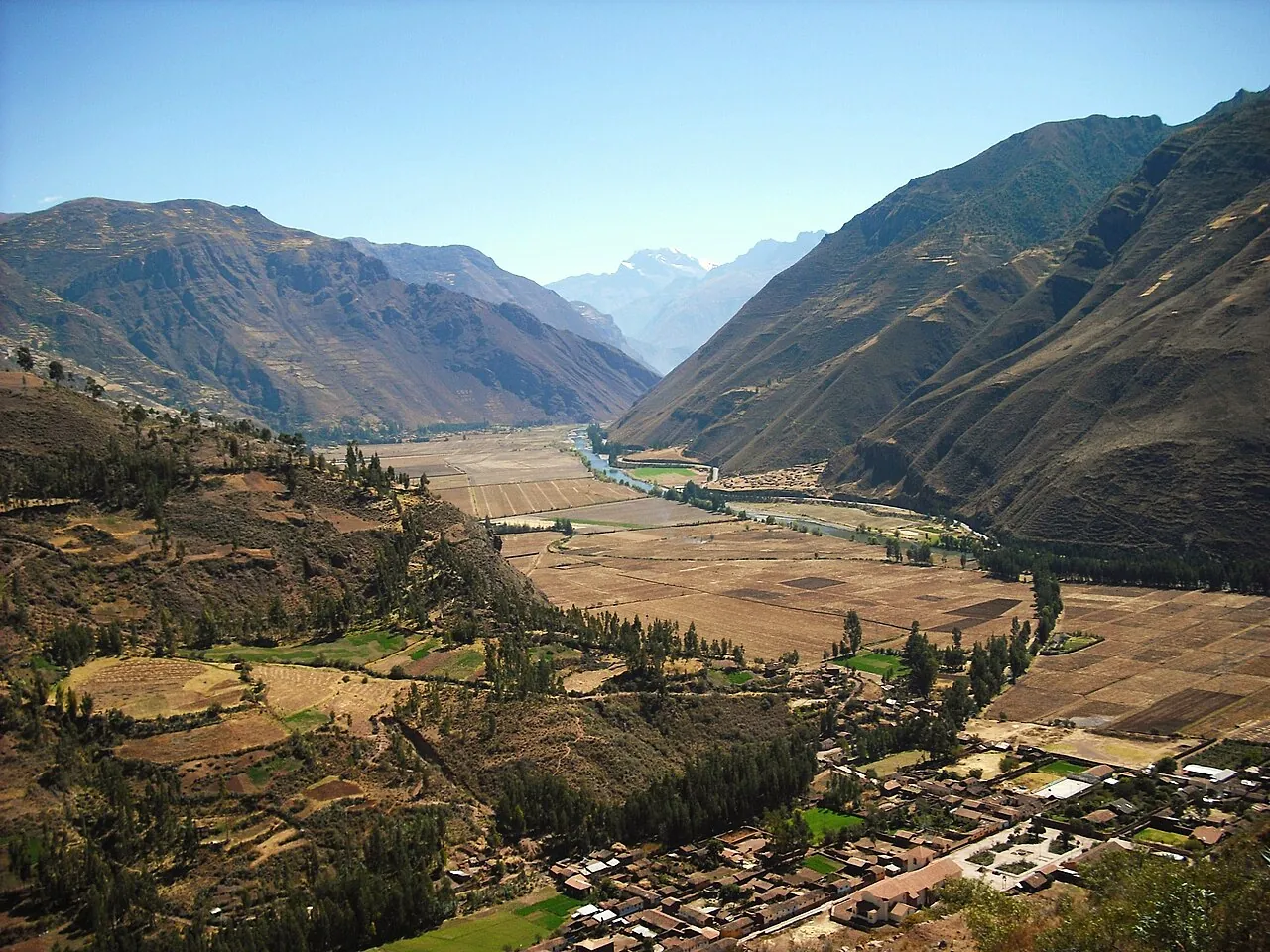
Go to the Pisac ruins first, early, and come down to the market afterwards. That single decision does more for your visit than picking the right day. The Pisac market and ruins sit about 45 minutes by road from Cusco, at the eastern end of the Sacred Valley, and most visitors see both in one morning.
The ruins are on the mountain above the town. The market is on the town's main square and the streets around it. They are two different experiences, with different crowds and different best hours, so it pays to plan them separately even if you do them on the same day.
Which day is best for the Pisac market?
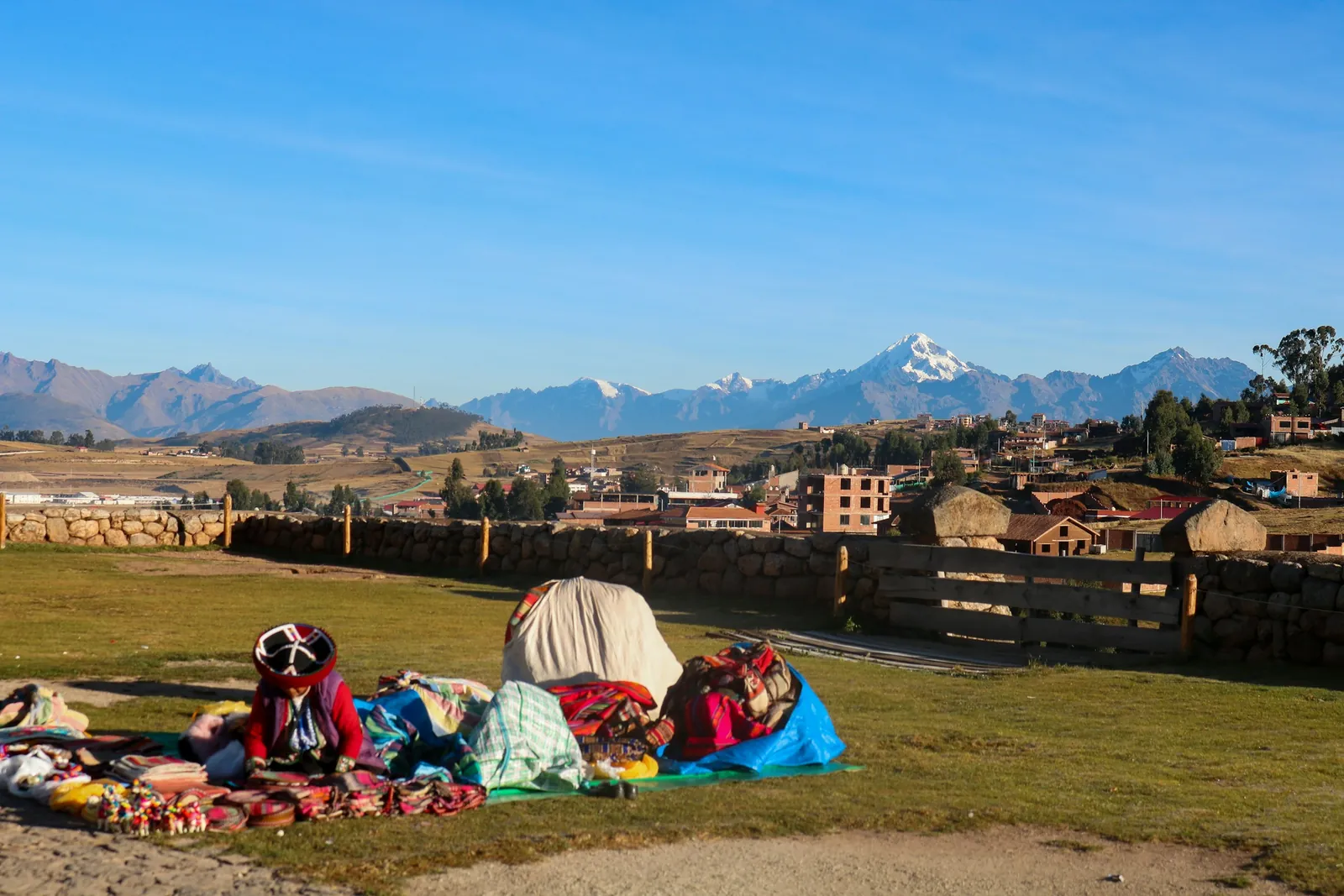
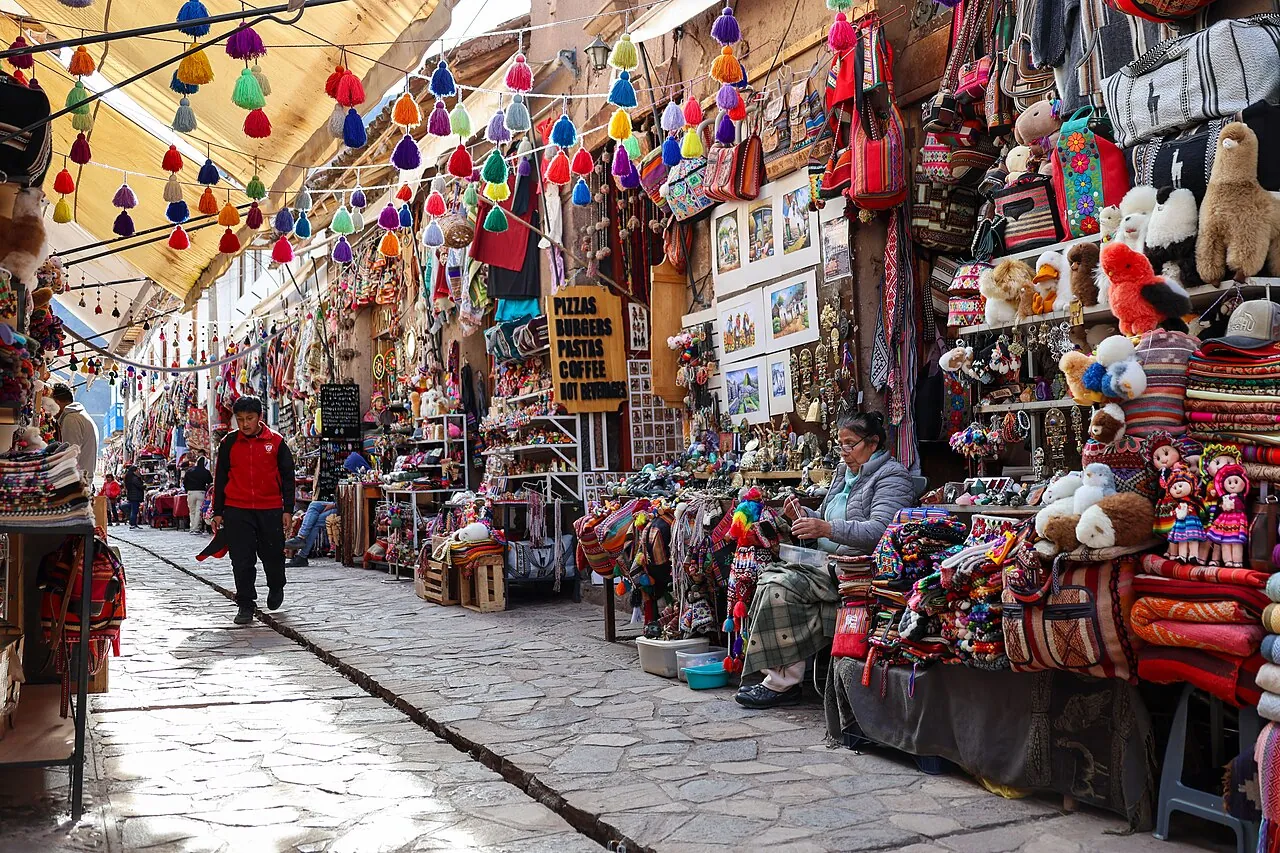
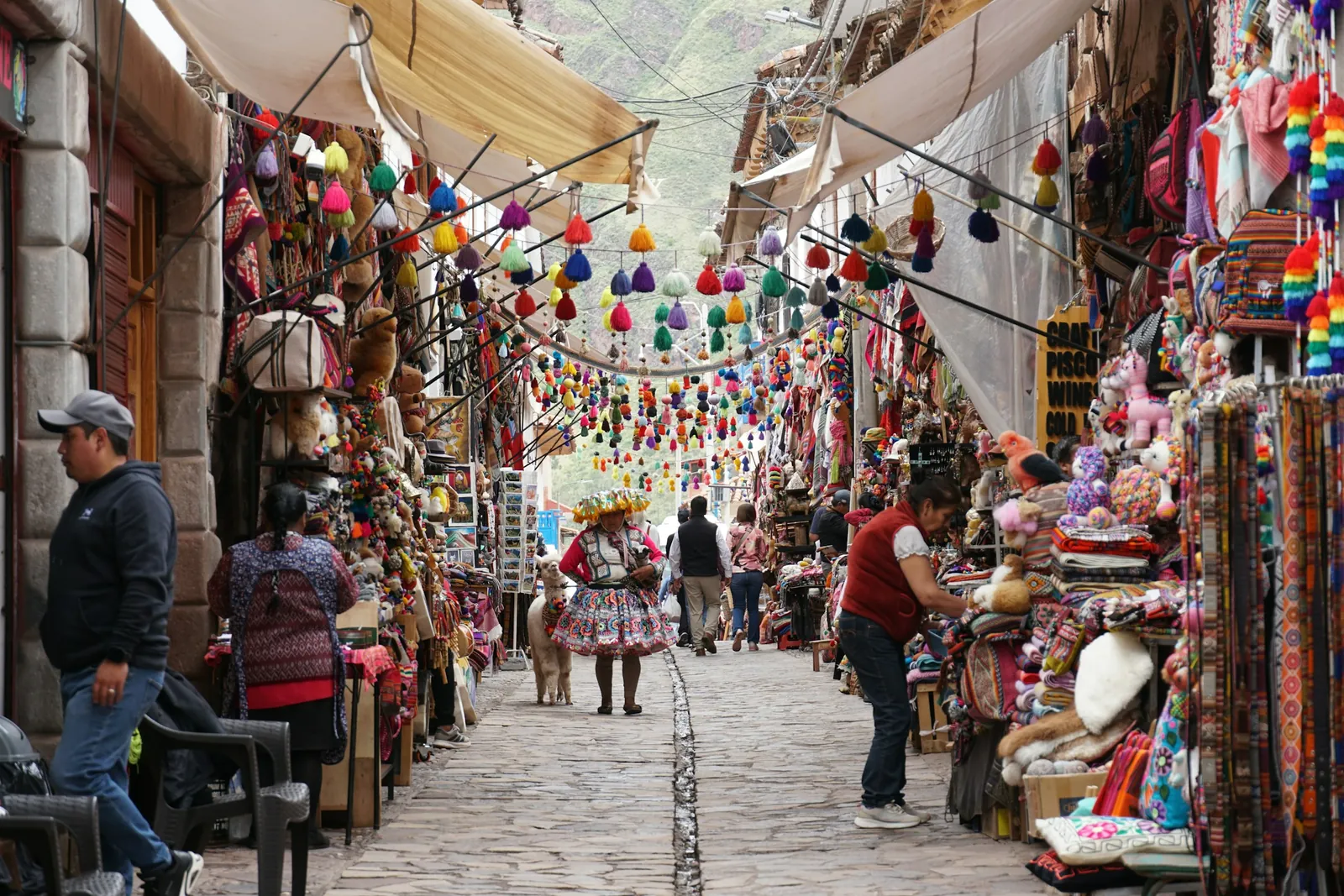
Stalls aimed at visitors open every day. Textiles, ceramics, silver and alpaca goods line the square whether you arrive on a Monday or a Saturday.
Sunday is the day most guides single out. That is when people from the surrounding communities come down to trade produce, and the square feels more like a working market and less like a craft fair. Several sources also describe Tuesday and Thursday as larger market days than the rest of the week. We have not been able to confirm a fixed official schedule, so treat this as a pattern rather than a rule, and ask locally before you build a whole day around it.
The trade-off is simple. On a Sunday you see more of local life, and you share it with more tour groups. On a quiet weekday you get space to talk to sellers and look properly at weaving, but less of the produce side.
What to look for in the market
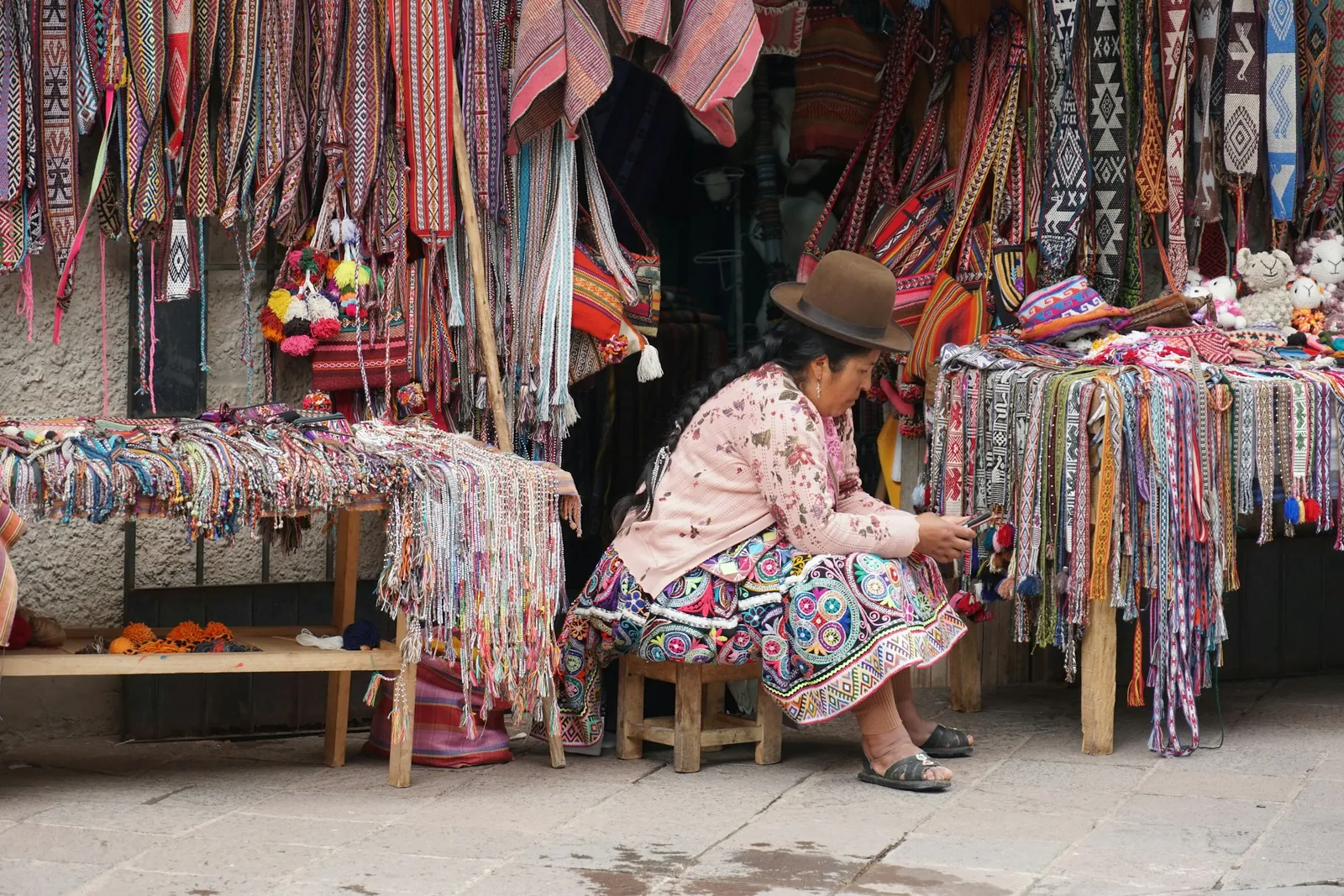
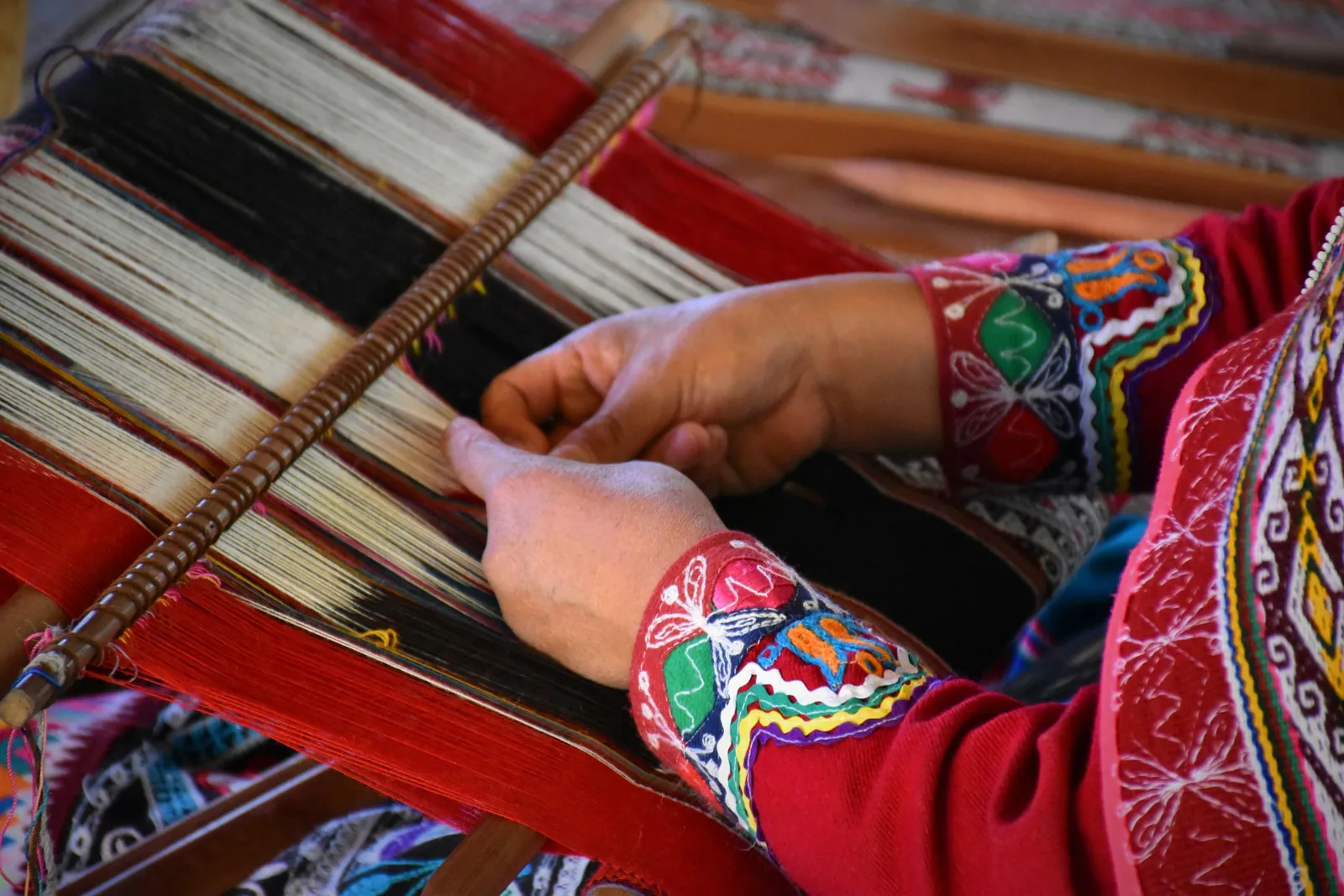
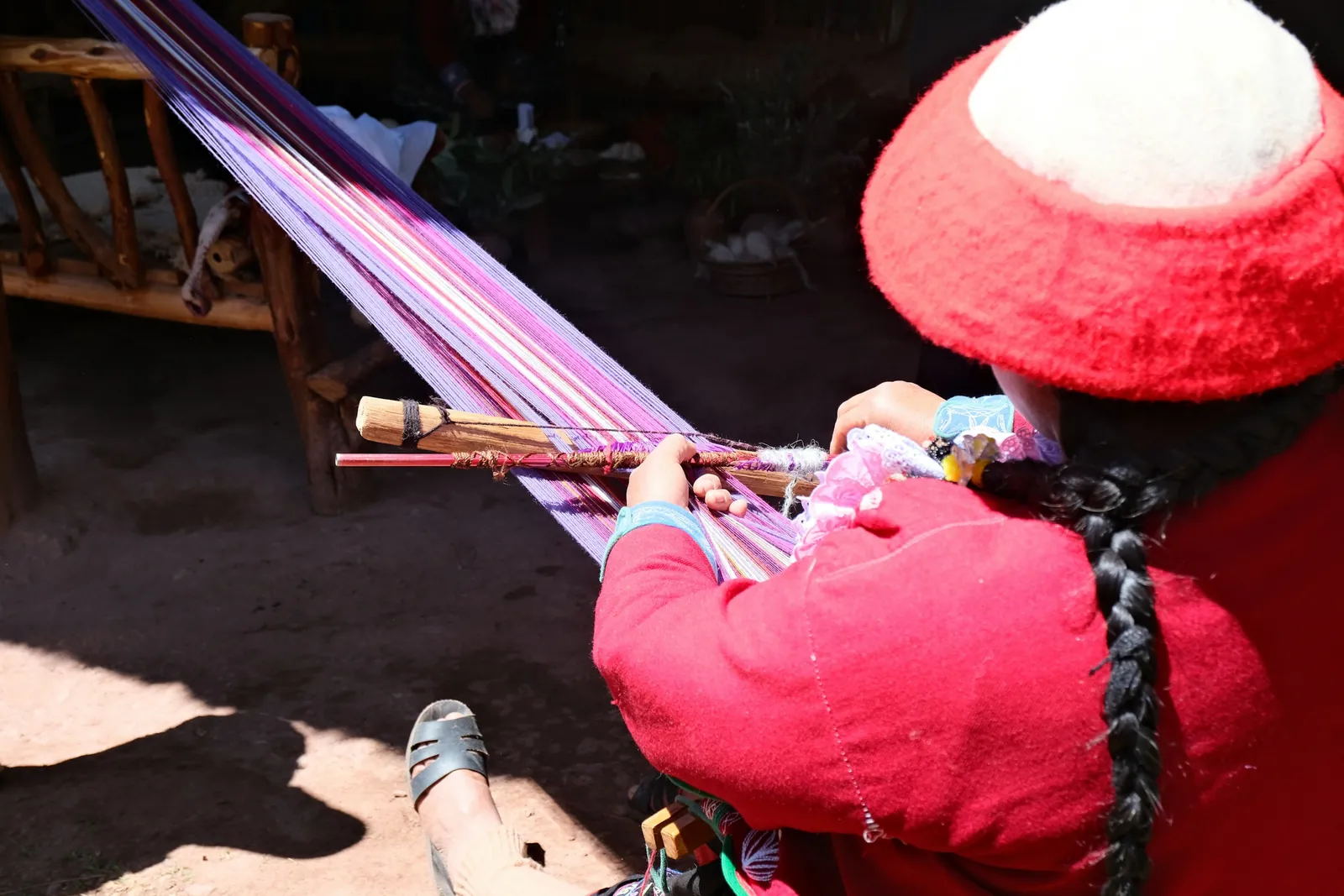
- Textiles: hand-woven pieces sit next to machine-made ones. Ask the seller how and where a piece was made, and compare weight and finish before you pay.
- Fruit, maize and potatoes: the produce stalls are where locals actually shop, mostly on the bigger market days.
- Bread ovens: Pisac has clay ovens in the streets near the square that are worth a look.
- Cash in small notes: many stalls do not take cards, and change for large notes can be a problem.
How do you get into the Pisac ruins?
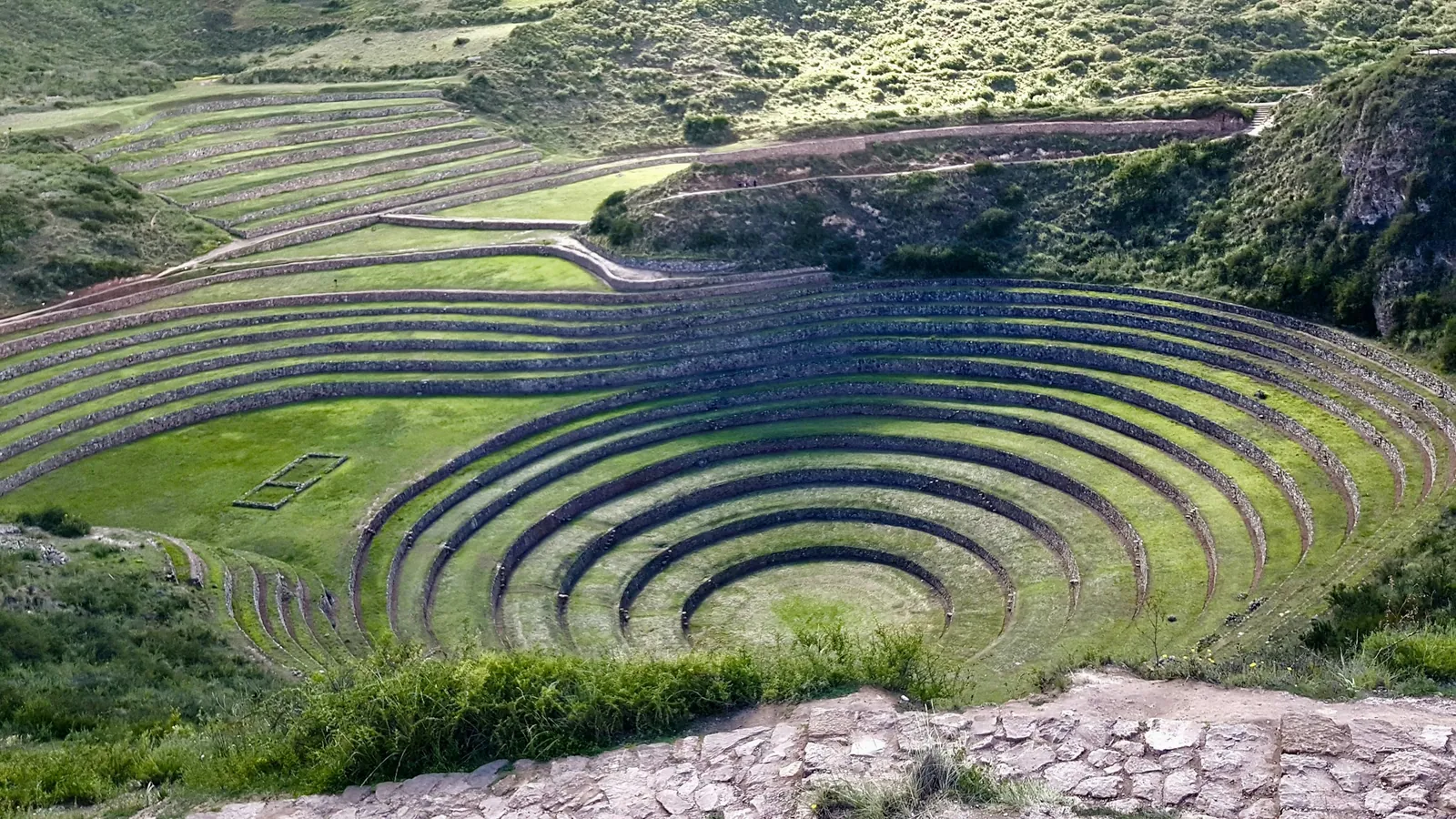
The Pisac archaeological park is not sold as a single-site ticket at the gate in the usual way. Entry is part of the Boleto Turístico del Cusco, the combined tourist ticket issued by COSITUC, the body that manages it. The partial Sacred Valley version of the ticket is the one most visitors use for Pisac, and it also covers sites such as Ollantaytambo, Chinchero and Moray.
Prices, which sites belong to which circuit and how many days each version stays valid have changed over the years, and travel guides disagree on the current details. Check them with COSITUC or at its office on Avenida El Sol in Cusco before you buy, and carry your passport, because the ticket is personal. If you are coming with us, the ticket is handled for you: our Pisac tour includes entrance tickets to the attractions.
Upper entrance or lower path?
There are two ways in. A road climbs from the valley to an upper car park close to the main sectors, and this is how almost every tour arrives. From the town there is also a steep footpath up the terraces. Climbing from the bottom is hard work at this altitude and takes most of a morning, so very few people do it as their way in.
The usual and sensible plan is the reverse: drive up, then decide whether to walk down.
When should you visit Pisac to avoid the crowds?
Early. The day tours from Cusco that combine several Sacred Valley stops tend to reach Pisac late in the morning, and that is when the upper car park and the main viewpoints fill. If you are at the ruins in the first hours after opening, you often have the terraces nearly to yourself.
That is how our private tour is timed. Pickup in Cusco is at 08:00, you reach the ruins around 08:45, and you have about an hour and a quarter on site with a guide before going down to the market at roughly 10:00. By the time you are in town, the ruins are getting busier and you are already done with them.
Season matters too. The dry months, broadly May to September, bring clearer skies and the most visitors. The rainy months bring greener terraces, fewer people and the risk of a wet, slippery path. Our guide to the best time to visit Peru and its neighbours covers the seasons in more detail.
A note on altitude
Pisac lies lower than Cusco, which many travellers find easier on arrival. Even so, the ruins involve stairs and uneven paths high above the town. If you have just flown in, read our advice on altitude sickness and how to acclimatise in Cusco, and speak to your doctor if you have any heart or breathing condition.
What will you see at the Pisac ruins?
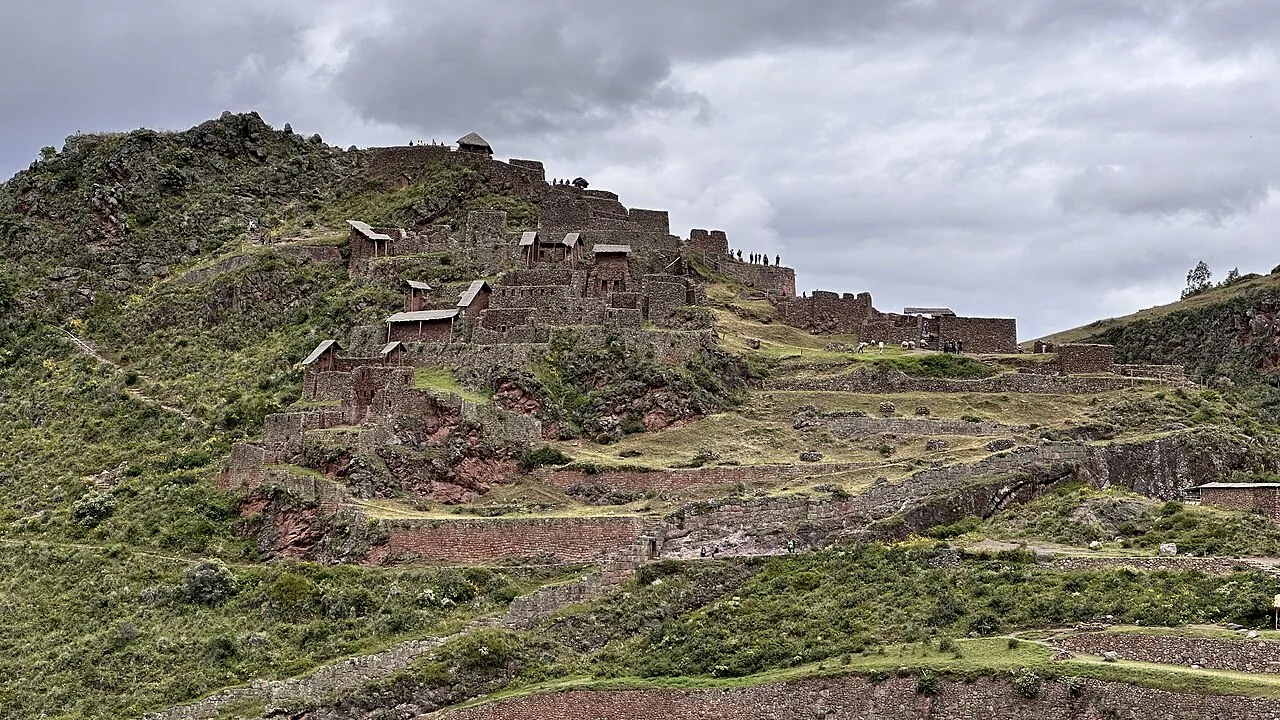
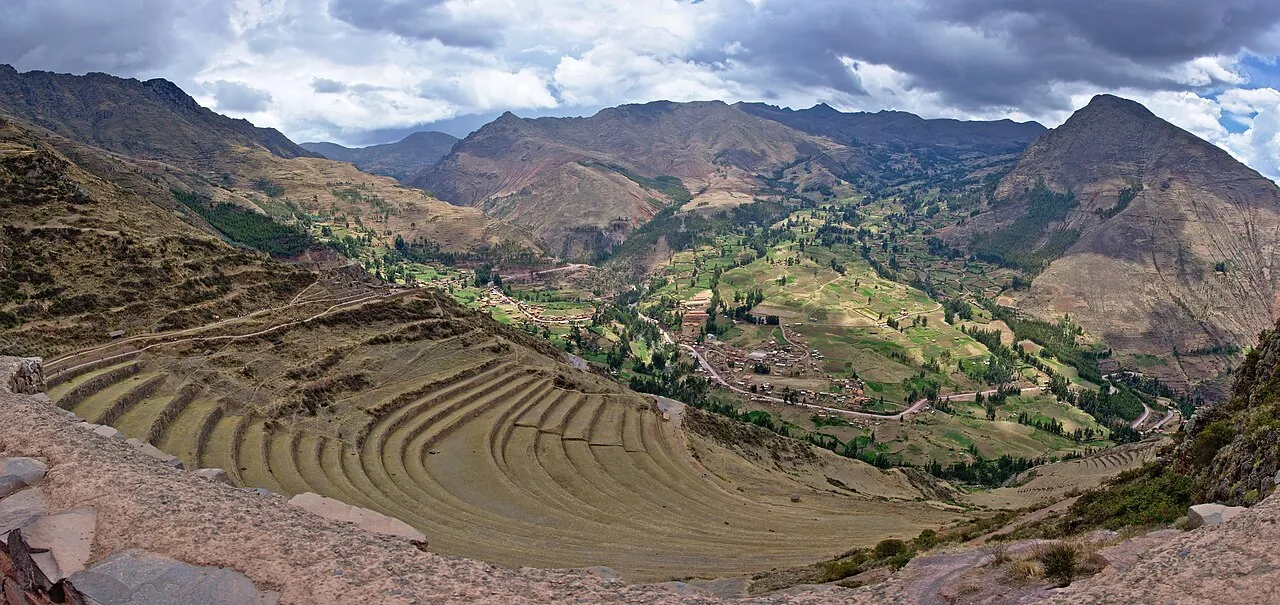
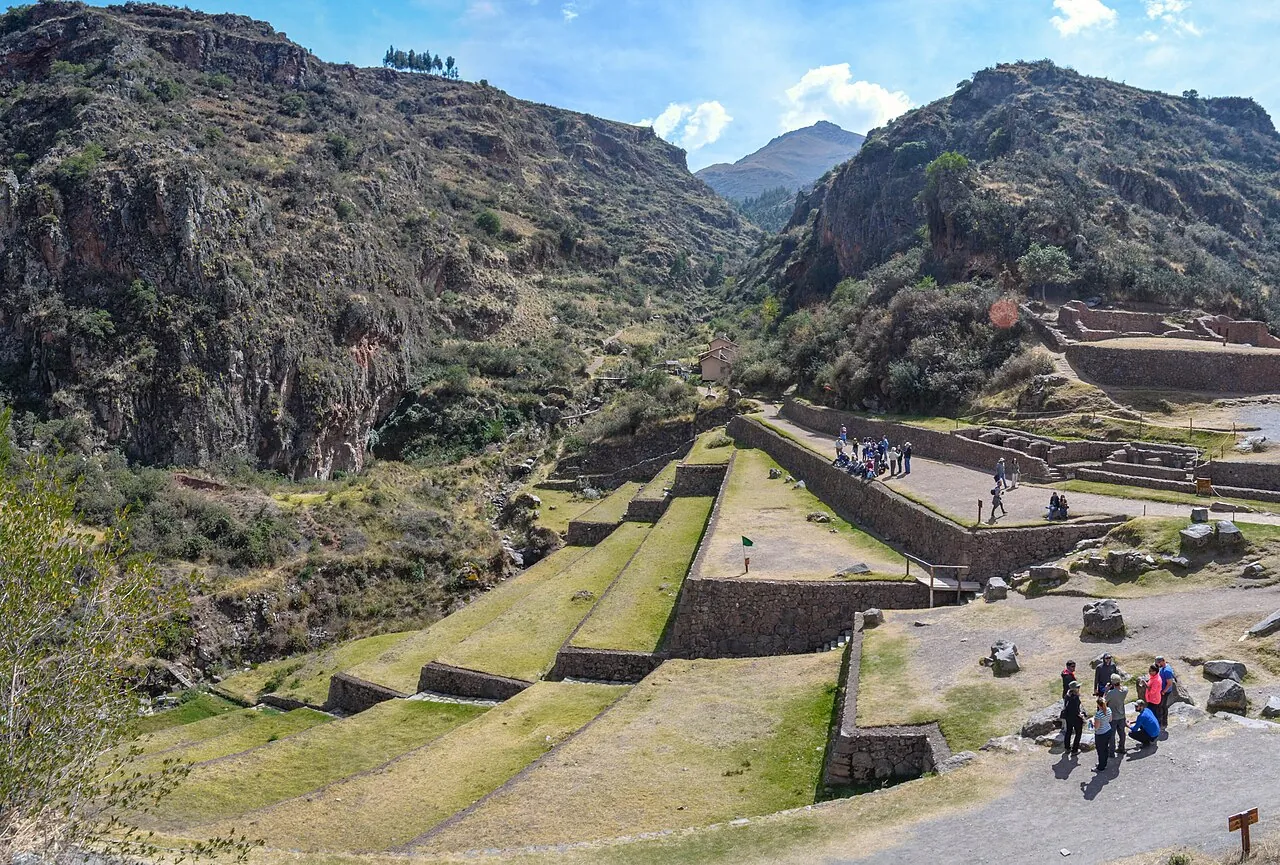
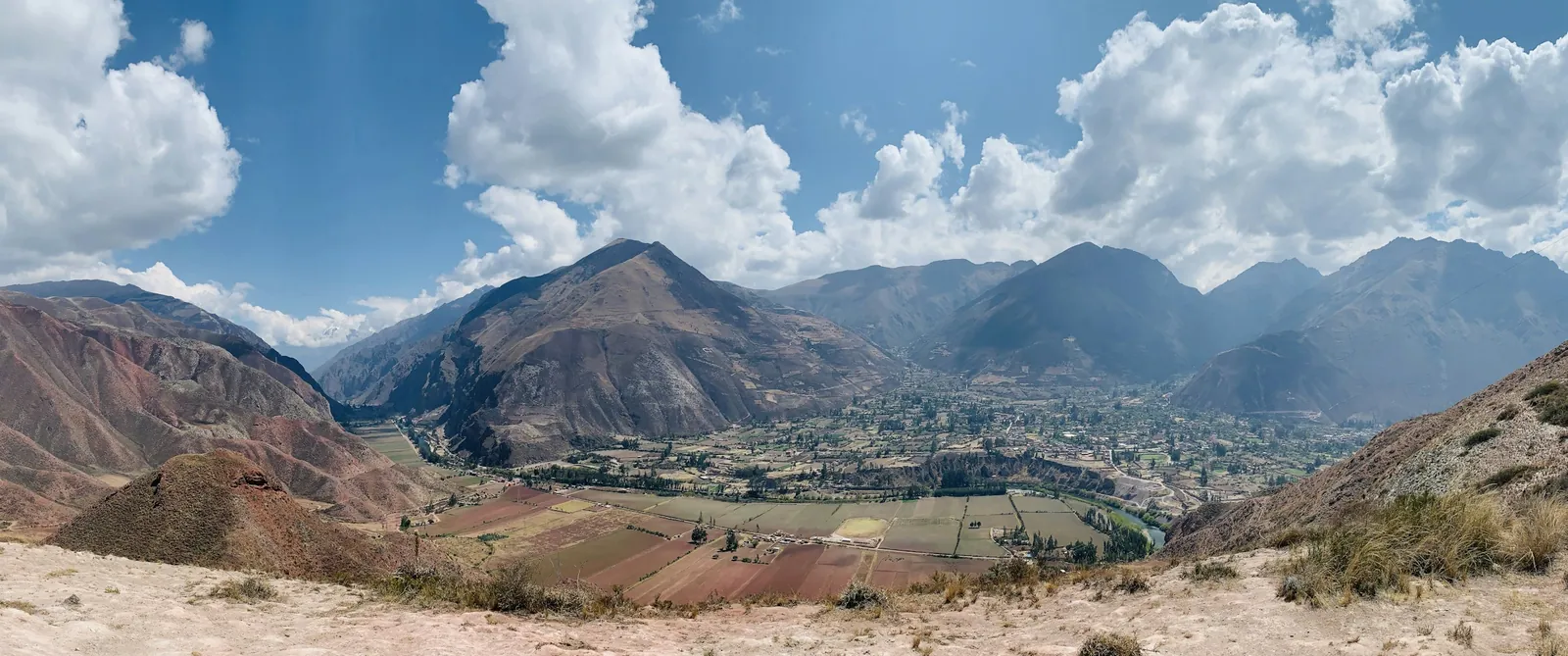
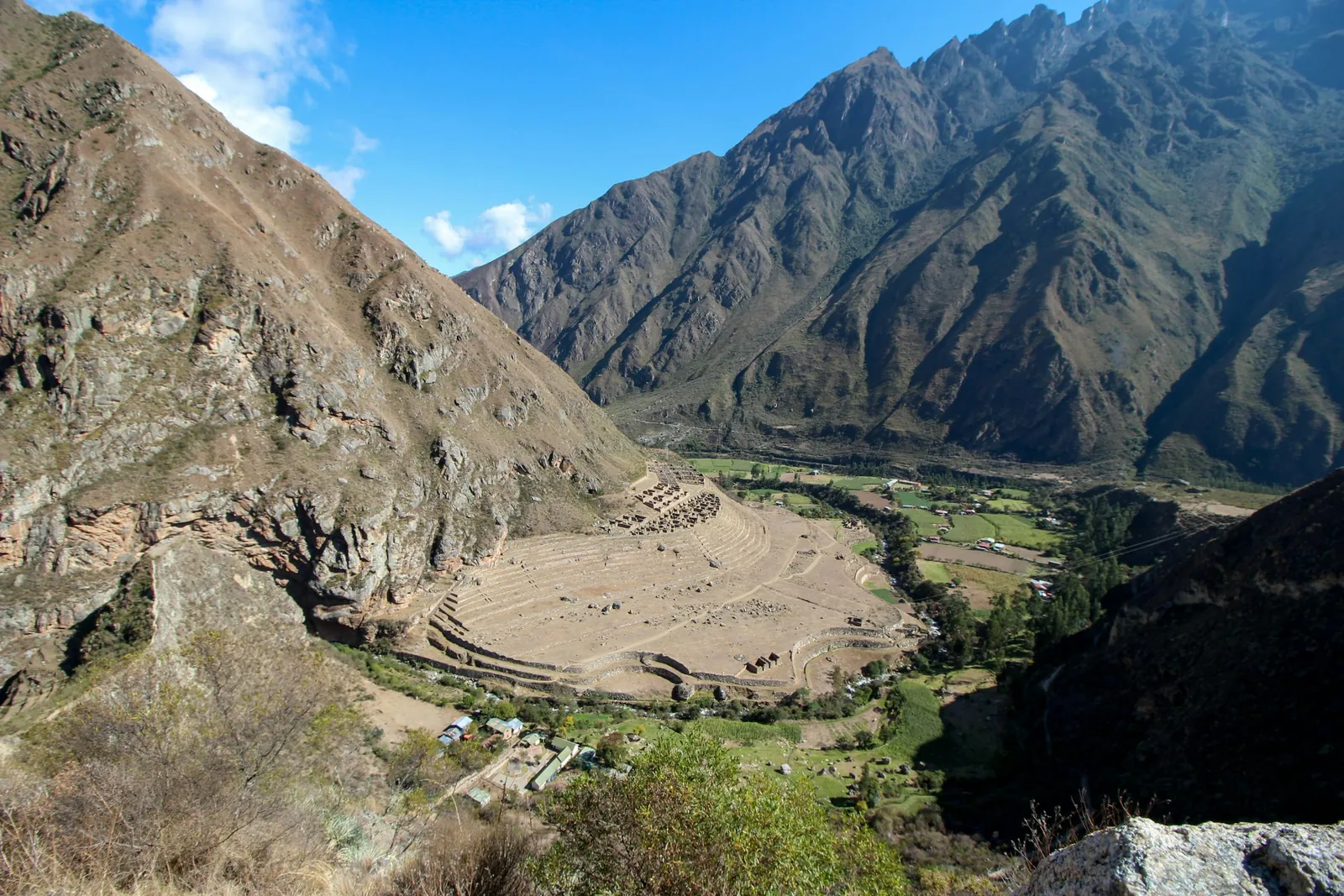
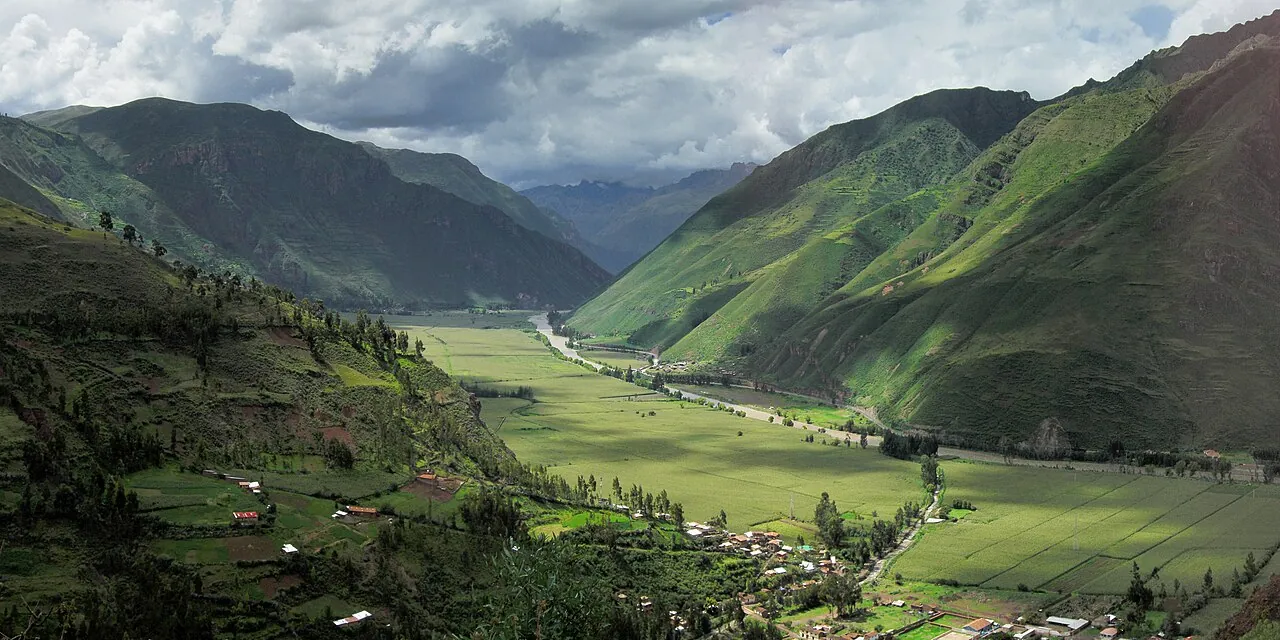
The site spreads along a ridge above the valley. The terraces are the first thing you notice: long curved bands of farmland cut into the slope, with the Urubamba River and the town below.
Higher up are groups of buildings with fine Inca stonework, ceremonial areas, and on the opposite slope a cliff face pitted with holes that are generally described as tombs. They were looted long ago. A guide is useful here, less for dates than for explaining how the sectors connect and what each was likely used for, which is not obvious from the signs.
- Wear shoes with grip. Stone steps are narrow and can be wet.
- Bring water, sun protection and a layer. Mornings start cold and the sun is strong by ten.
- There is little food on the site itself. Eat in town afterwards.
Should you walk down from the Pisac ruins to the town?
If your knees are good and the path is dry, it is the best part of the visit for many people. A trail drops from the ruins through the terraces and ends in the town near the market, so you finish exactly where you want to be.
It is steep and largely made of stone steps. Expect it to take somewhere between one and two hours depending on your pace and how often you stop, which is often. Going down at altitude is easier on the lungs than going up, but it is hard on the legs.
This is not for you if you have knee or balance problems, if it has been raining, or if you are short of time. In those cases go back down by road, which is how our standard tour works.
On a private Pisac tour the plan can be adjusted: tell us in advance that you want to walk down and we will check that it fits the day and the conditions. We cannot promise it on a wet day, and we will say so.
How does a Pisac morning fit into a longer trip?
Pisac is the natural first stop in the Sacred Valley when you come from Cusco. Our half-day Pisac Cultural & Historical Tour is private, starts at 08:00 and is back in Cusco around 13:30. After the ruins and the market it continues to the Inkariy Museum, which displays objects from pre-Columbian cultures including Caral, Chavín, Paracas, Mochica, Nazca, Wari, Chimú and Inca. Transport, an English and Spanish-speaking guide and entrance tickets are included. Meals are not.
If you would rather stay in the valley than return to Cusco each night, Pisac is a good place to start a slower few days. We wrote about that approach in travelling the Sacred Valley at the rhythm of the Andes. For the wider country picture, see our Peru destination page.
Want Pisac on a market day, or combined with other valley sites? Tell us your dates or write on WhatsApp to +51 906 974 952, and we will plan the morning around them.
Frequently asked questions about Pisac
Is the Pisac market open every day?
Yes, the craft stalls on and around the main square open daily. Sunday is generally described as the main market day, when produce traders from the surrounding communities join in.
Can I buy a ticket only for the Pisac ruins?
Entry to the ruins is through the Boleto Turístico del Cusco. Confirm the current options and prices with COSITUC before your visit, since they have changed over time.
How long do I need for Pisac market and ruins?
A morning is enough for both if you go up by road. Allow extra time if you plan to walk down from the ruins to the town.
Is it better to visit Pisac from Cusco or to stay there?
A half-day trip from Cusco works well. Staying in Pisac lets you reach the ruins before the day tours and see the town once they have left.
Keep reading
Photography: MorePix / Wikimedia Commons, CC0Tomas Sobek / Wikimedia Commons, CC BY 2.0Sheila C / UnsplashIsabelle Truong / UnsplashEsmée Winnubst / Wikimedia Commons, CC BY 2.0Jonathan Phelps / UnsplashPaul Daly / UnsplashJean Vella / UnsplashMeg von Haartman / UnsplashCharles Gadbois / Wikimedia Commons, CC BY 3.0McKay Savage from London, UK / Wikimedia Commons, CC BY 2.0Max / Unsplashflowcomm / Wikimedia Commons, CC BY 2.0Sheila C / UnsplashJason Hollinger / Wikimedia Commons, CC BY 2.0Sophia Simoes / Unsplash