Journal
Qeswachaka Inca Rope Bridge: How to Visit
How to visit the Qeswachaka bridge from Cusco: what the Inca rope bridge is, the June renewal, travel time, whether you can cross and the four lagoons.
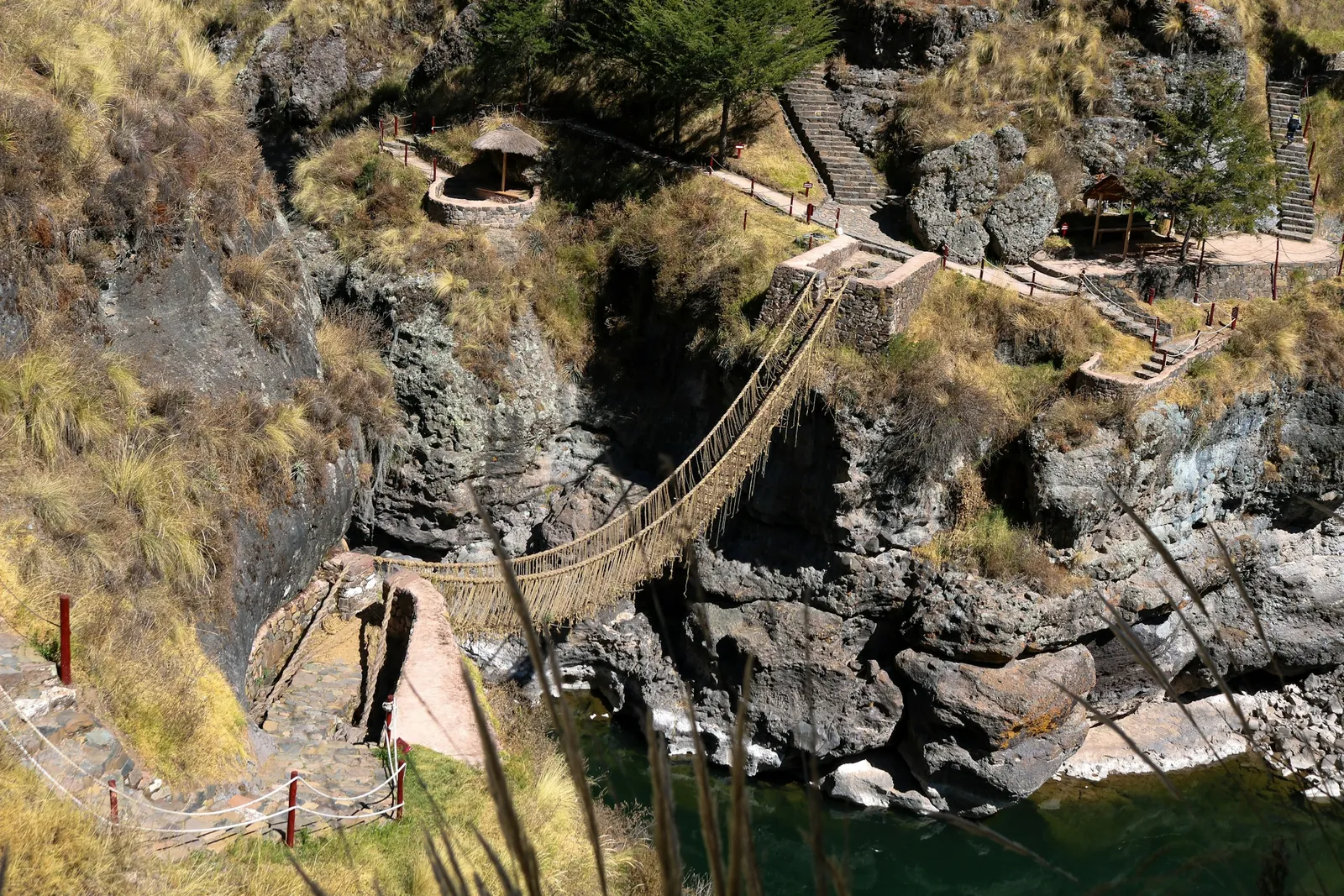
Q'eswachaka is a suspension bridge woven entirely from grass, hanging over the Apurímac River in the province of Canas, south of Cusco. You can visit it as a long day trip: our private tour leaves your hotel between 04:30 and 05:00, reaches the bridge around 08:00 after roughly three hours on the road, and has you back in Cusco around 16:30.
The Qeswachaka bridge is also something most Inca sites are not: it is still rebuilt by hand every year, by the same communities, using the same material. What you walk on was made by people who live a few kilometres away.
This guide covers what the bridge is, when it is renewed, how to get there, whether you can cross it, and how to combine it with the four lagoons on the way back.
What is the Qeswachaka bridge?
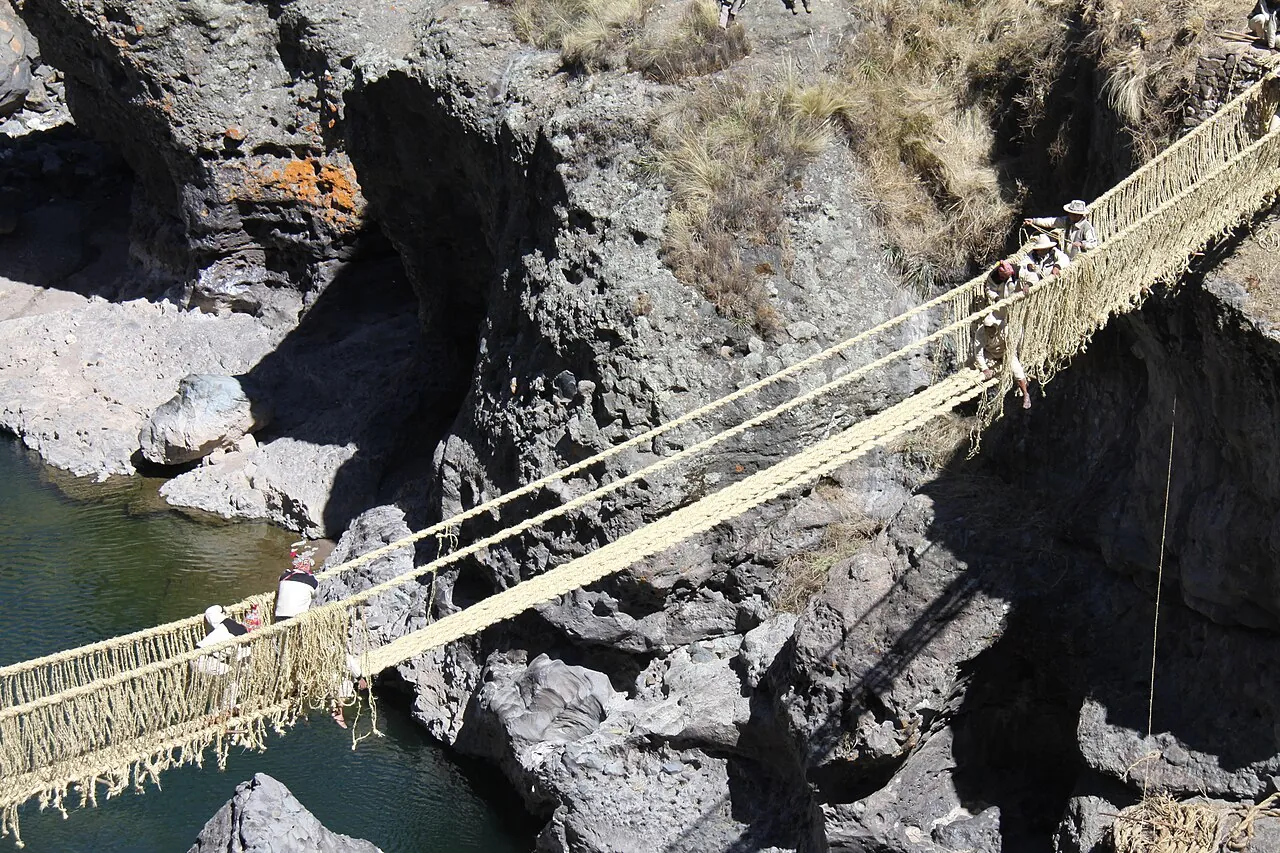
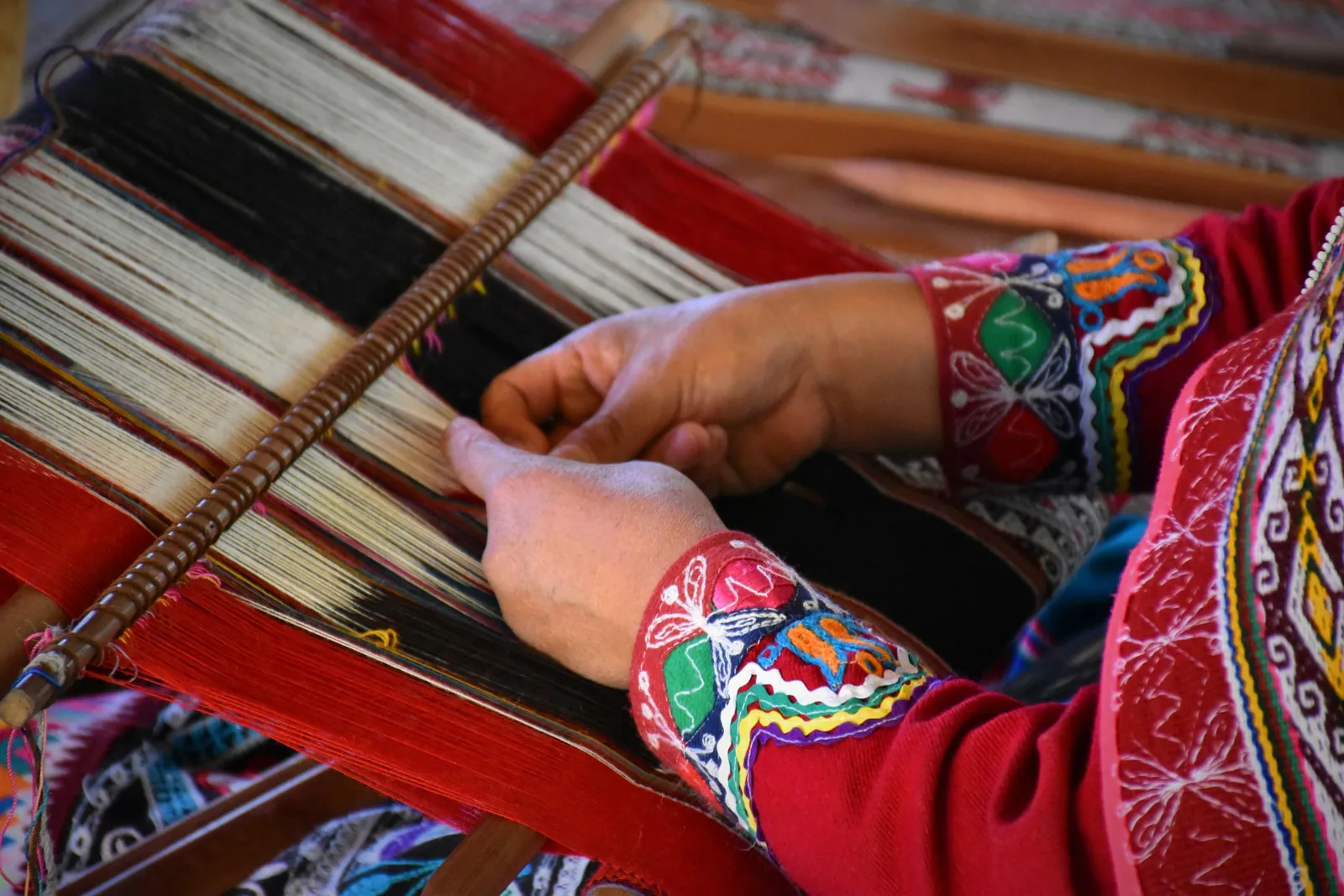
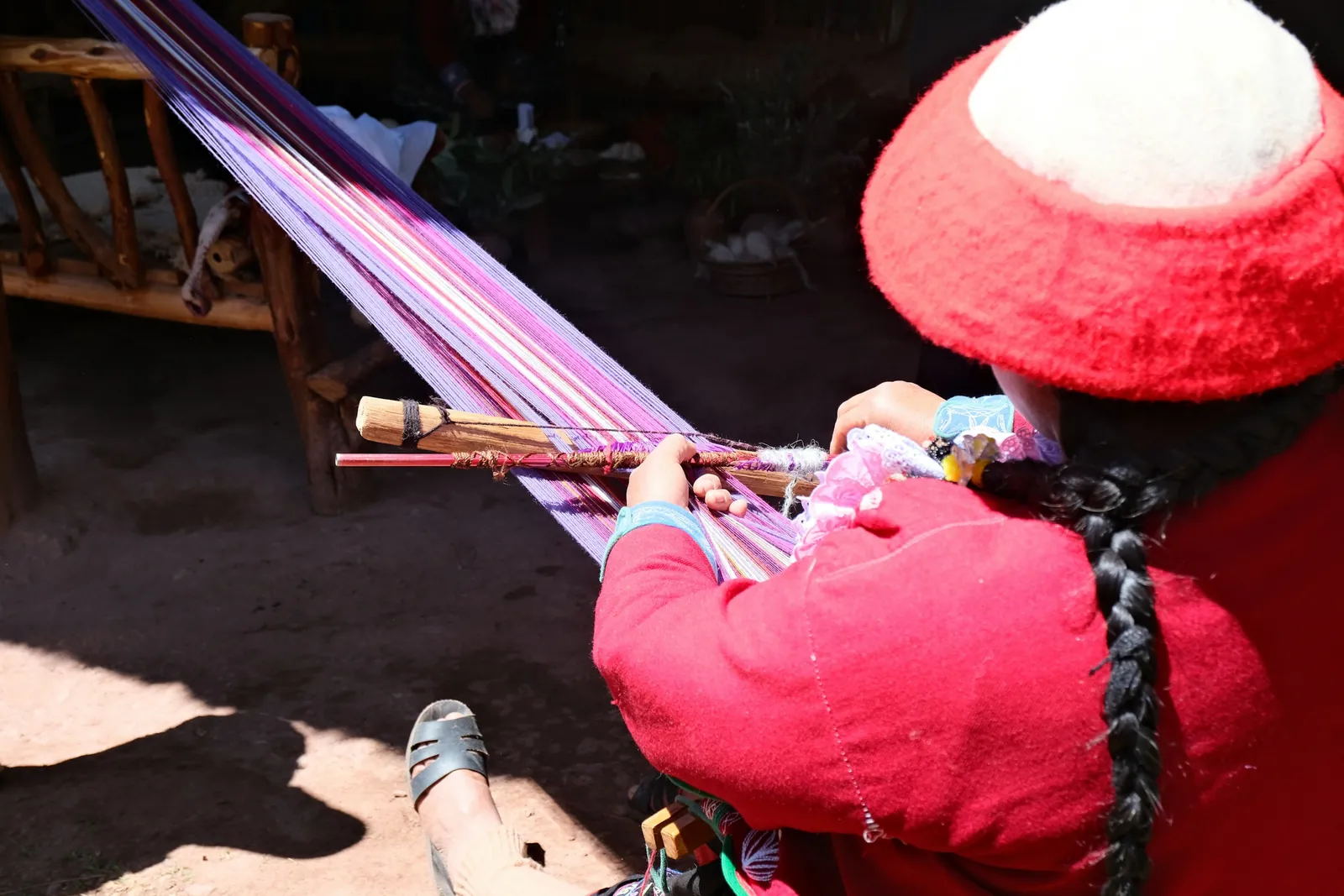
It is a rope bridge spanning a gorge of the Apurímac River, in the district of Quehue. The ropes are twisted from ichu, the tough bunch grass that covers the high Andes. Every strand starts as a handful of straw, which local families twist into thin cords and then braid into the thick cables that carry the bridge.
In 2013 UNESCO inscribed the "knowledge, skills and rituals related to the annual renewal of the Q'eswachaka bridge" on its Representative List of the Intangible Cultural Heritage of Humanity. Note what was inscribed: not the structure, but the practice of rebuilding it. The UNESCO listing names the four Quechua-speaking communities who do the work: Huinchiri, Chaupibanda, Choccayhua and Ccollana Quehue.
That distinction matters when you visit. A bridge that is not renewed decays within a few seasons. The heritage is the knowledge that keeps it standing.
How long and how high is it?
Press reports usually give a length of around 28 to 33 metres and a width of a little over a metre, and place the bridge at roughly 3,700 metres above sea level. We could not confirm these figures from an official source, so treat them as approximate. In practice, the altitude is what you will feel: it is close to the altitude of Cusco itself, so if you have spent two or three days in the city, the bridge should not add much strain.
If you have just landed from sea level, read our guide on how to acclimatise in Cusco before booking any early-morning excursion.
When is the bridge renewed?
The renewal takes place every year in June. According to UNESCO, the work itself lasts only three days: families cut and twist straw into thin ropes, which are then braided into the main cables, the old bridge is cut loose and allowed to fall into the river, and the new one is strung across. Peru's state news agency Andina has reported the renewal in early June in recent years. In 2025 the communities completed the bridge on Saturday 7 June, and Andina reported on 10 June that it was open to visitors again.
The exact dates are set locally each year and are not published far in advance by any official calendar we could find. If you want to see the renewal itself, plan your Cusco stay around the first half of June and ask us to confirm the dates once they are announced.
Should you go during the renewal or after it?
- During the renewal: you see the work, the ceremonies and a large local gathering. You will share the riverbank with a crowd, and you will not be crossing while the bridge is being rebuilt.
- After the renewal: from mid-June onwards the bridge is new, the grass is still pale, and the site is quiet again.
- Late in the year: the bridge has carried months of visitors and weather. It is still crossable when open, but it looks its age, which is part of the point.

How to get to Qeswachaka from Cusco
There is no train or flight. You go by road, south of Cusco, through the provinces that lead toward Canas. Our itinerary allows about three hours each way, with stops along the road.
Public transport exists in the region but involves changing vehicles in small towns, and timings are irregular. For most travellers with a fixed schedule, a private vehicle is the realistic option: you leave before dawn, you are at the bridge before it gets busy, and you are back for dinner in Cusco.
Our Q'eswachaka Bridge and 4 Lagoons tour runs as a private group with an air-conditioned vehicle, a guide in English, Spanish or Portuguese, bottled water, a box lunch and the entrance tickets for the bridge and the lagoon circuit. As of November 2026 the tour page lists it at USD 160; confirm the final price for your group when you enquire.
What the day looks like
- 04:30 to 05:00: pickup at your hotel in Cusco.
- 05:00 to 08:00: drive south, with stops for views and short explanations about the communities along the road.
- 08:00 to 09:30: time at the bridge, with the guide explaining how it is built.
- 09:30 to 11:00: drive to the lagoon circuit.
- 11:00 to 12:30: the four lagoons.
- 12:30 to 13:30: box lunch by the water.
- 13:30 to 16:30: return to Cusco.
It is a long day in a vehicle. If you get carsick on winding mountain roads, tell us beforehand so we can plan more stops.
Can you cross the Qeswachaka bridge?
Yes, when it is open. Visitors normally walk across, holding the side ropes. The floor is a mat of woven grass laid over the base cables, and the whole structure sways as you move. It is not dangerous when used properly, but it is not a footbridge either.
- Cross one at a time or in very small numbers, as the guide or the community indicates.
- Keep both hands on the side ropes. Bags and cameras on your back, not in your hands.
- Wear shoes with grip. The descent to the bridge from the road is a short, steep path.
- If you have a fear of heights, you can watch from either bank. Nobody is required to cross.
Access is controlled by the local communities and authorities, not by tour operators. The bridge can be closed for renewal, repairs or local decisions, and in 2025 Andina reported that authorities were discussing monitoring and care measures for the site. We check the status before each departure, but if it is closed on the day, you will see it from the bank rather than cross.
The four lagoons: Pomacanchi, Acopía, Asnaqocha and Pampamarca
On the way back, the route passes a chain of high-altitude lakes in southern Cusco. Our tour stops at four of them: Pomacanchi, Acopía, Asnaqocha and Pampamarca. This is not a hike. You drive between viewpoints, get out, walk a little and take photos. Lunch is eaten by the water.
The lagoons change colour with the light and the season. In the dry months the sky is clear and the water reads deep blue; in the rainy season clouds roll in early and the views can close by midday. The farmland around them is worked by the communities who live there, so stay on paths and ask before photographing people.
Best time to visit
The dry season, roughly May to September, gives the clearest roads and the best light. June brings the renewal; July and August are the busiest months in Cusco generally. The rainy months make the road slower and the lagoons greyer, though the bridge can still be visited when open. Our guide to the best time to visit Peru and its neighbours covers the season month by month.
What to bring
- Warm layers. You leave before dawn and the high plateau is cold until the sun is up.
- Sun protection: hat, sunscreen and sunglasses. At this altitude the sun burns quickly.
- Shoes with grip for the path down to the river.
- Some cash in soles for small personal purchases.
- Any medication you normally carry.
Is Qeswachaka worth it, compared with other day trips?
It depends on what you want from a day. If you want a big walk and a high-altitude summit, Rainbow Mountain or the Humantay Lagoon trek are more physical. Qeswachaka asks very little of your legs and a lot of your patience in the vehicle. In exchange, you see a living Inca practice, in a region that receives far fewer visitors than the Sacred Valley.
It is not for you if you have only two or three days in Cusco and have not seen Machu Picchu or the Sacred Valley yet. It is a good choice on a longer stay, for travellers interested in Andean culture rather than ruins alone.
If you want to fit it into a wider trip, or time it with the June renewal, tell us your dates and we will build the day into your itinerary.
Frequently asked questions
Is the Qeswachaka bridge really Inca?
The technique and the tradition go back to Inca times. The physical bridge you cross is new: it is rebuilt every year, which is exactly why UNESCO lists the practice rather than the structure.
How far is Qeswachaka from Cusco?
Plan on about three hours each way by road, which is what our itinerary allows. The exact time depends on traffic, roadworks and stops.
Is there an entrance fee?
Access is managed locally and we have not found an official published fee, so we do not quote one here. On our tour, the entrance tickets for the bridge and the lagoon circuit are included.
Can children cross?
Families do visit. Whether a child crosses is a decision for the parents and the guide on the day, based on the child's age, confidence and the conditions. Watching from the bank is always an option.
Keep reading
Photography: Ricardo Chirinos Portocarrero / Wikimedia Commons, CC0Jonathan Phelps / UnsplashJonathan Phelps / UnsplashSnapSaga / UnsplashJean Vella / UnsplashSheila C / UnsplashMauro Lima / UnsplashSophia Simoes / UnsplashMauro Lima / UnsplashMayur Arvind / UnsplashMax Corahua P. / UnsplashFrans Ruiter / UnsplashAlberto Lung / UnsplashAndy Salazar / UnsplashSheila C / UnsplashCristhian Guzmán / Unsplash